PVcase Yield
Pros
- Cloud-based processing delivers fast simulation results while reducing the load on local computer hardware.
- Uses advanced 3D ray tracing and digital twin technology for detailed performance simulations.
- Reduces data transfer errors by keeping design and simulation workflows within one software ecosystem.
- Module-level thermal-electrical modeling helps identify specific system losses.
- Supports projects from early site prospecting through detailed utility-scale engineering.
- Generates P90 estimates and 8760 energy yield files to support project bankability.
Cons
- Pricing is not publicly available, making upfront cost comparisons difficult.
- The platform is primarily designed for utility-scale solar projects and may not suit residential installers.
- Full workflow automation may require additional paid products from the PVcase suite, such as Ground Mount.
- Advanced physics-based modeling can create a learning curve for inexperienced teams.
In the fast-moving solar industry, accurate yield predictions are not just helpful—they are critical. Whether designing a new utility-scale PV plant or improving the performance of an existing asset, relying on outdated energy modeling software can result in expensive mistakes and poor decisions. For modern solar professionals, the demand for precise, fast, and transparent energy yield simulations has never been higher.
PVcase Yield addresses these challenges by changing how developers, investors, and operators perform PV performance simulations. Through detailed data insights and high-speed cloud computing, the platform helps engineering teams reduce technical risks and design solar systems for maximum lifetime energy production.
What Is PVcase Yield?
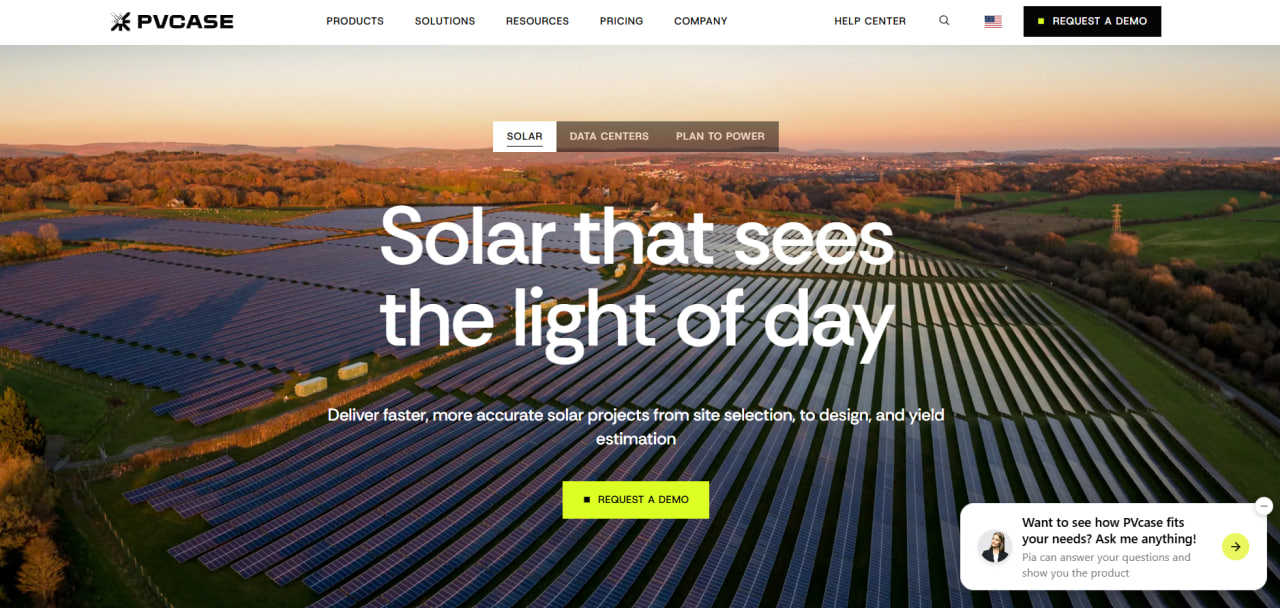
PVcase Yield is an advanced, cloud-based software tool designed to estimate and optimize energy production for utility-scale solar projects. It is part of the broader PVcase product ecosystem, which aims to streamline the engineering and development lifecycle of commercial and large-scale solar power plants.
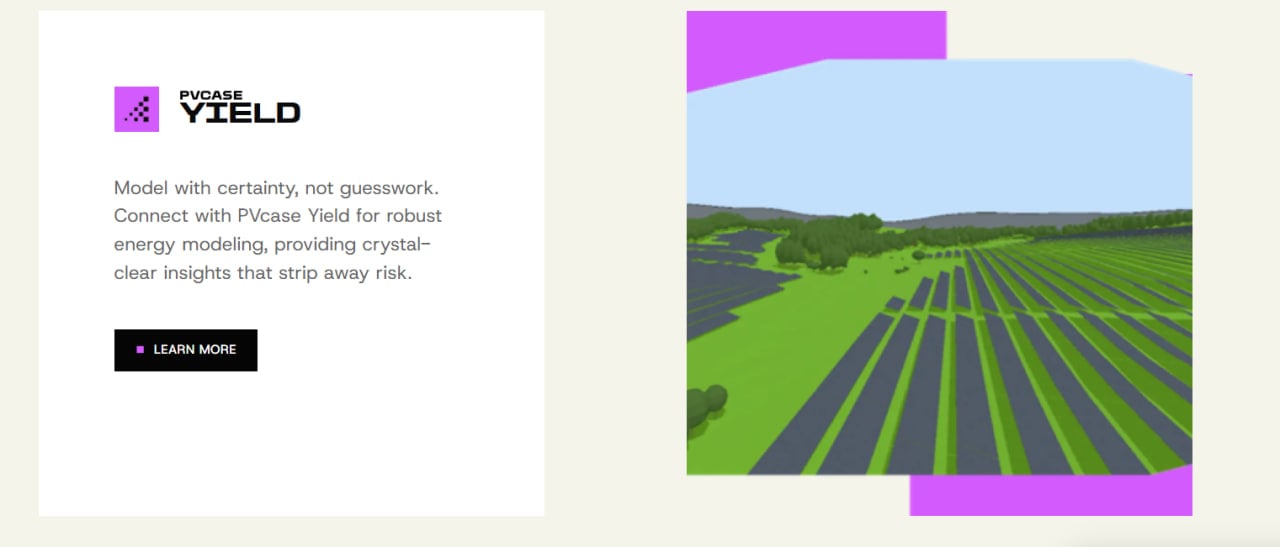
The software acts as a digital twin performance simulation platform. It creates an accurate virtual representation of a physical solar asset and simulates how the system will perform under different weather conditions and design configurations.
PVcase Yield is primarily designed for utility-scale solar developers, EPC companies, and engineering firms. PVcase is used by more than 1,800 companies across over 80 countries and supports approximately 4 TW of annual capacity.
By combining physics-based modeling with scalable cloud computing, PVcase Yield allows users to run complex calculations quickly without placing a heavy processing load on their local computers.
Features
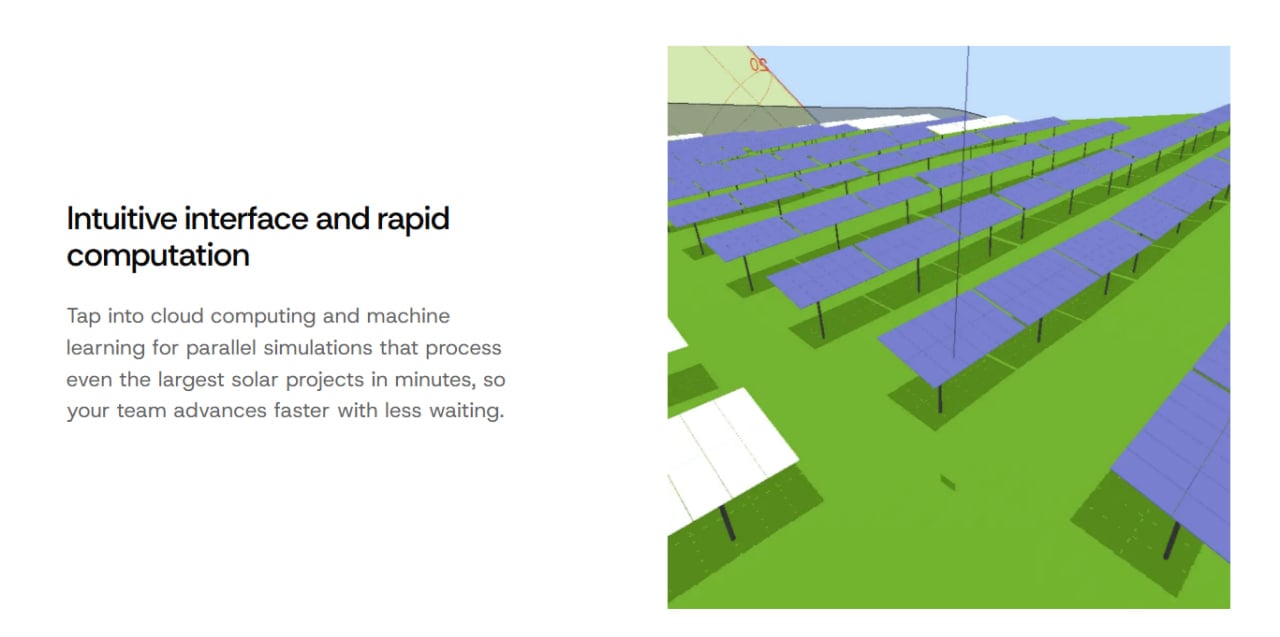
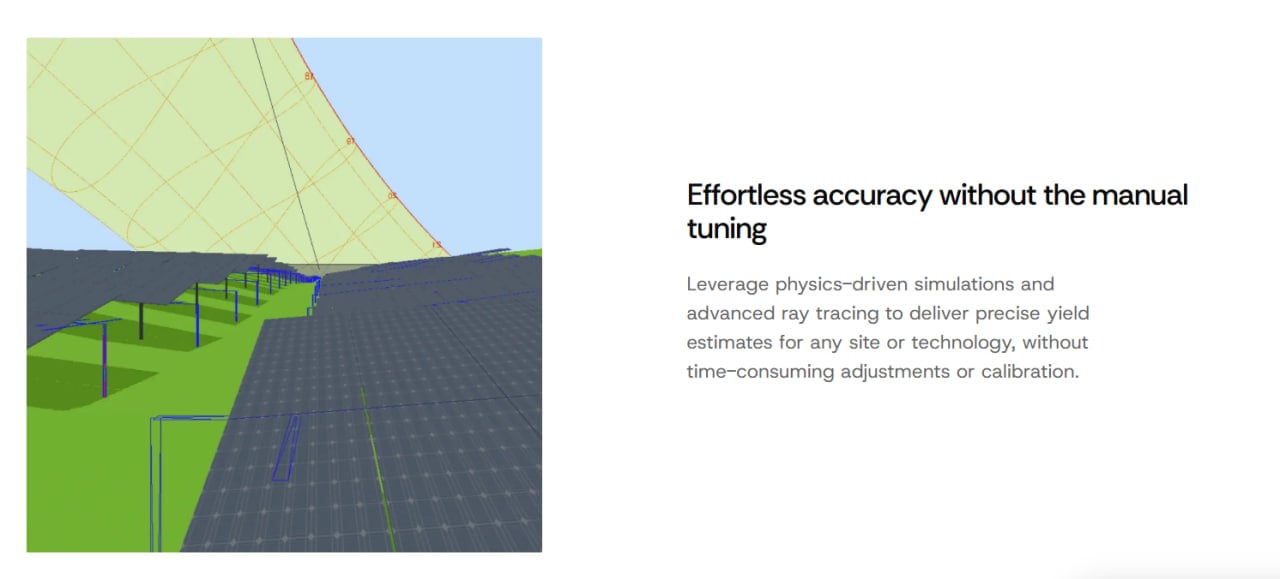
- Advanced 3D ray tracing: Uses detailed 3D ray tracing technology to simulate solar exposure across complex project geometry and terrain.
- Thermal-electrical modeling: Provides component-level analysis down to individual modules, helping engineers identify electrical issues, system losses, and potential inefficiencies.
- Object shading analysis: Calculates energy losses caused by nearby structures, terrain, and layout constraints so users can reduce shading impacts.
- Cloud-based simulations: Runs multiple high-speed simulations simultaneously using scalable cloud computing, reducing reliance on powerful local hardware.
- Comprehensive layout optimization: Compares multiple design scenarios side by side to identify the configuration that delivers the highest potential AC energy output.
- Hourly performance insights: Generates detailed annual performance data, including 8760 energy yield files, to support project forecasting and investment analysis.
Screenshots
PVcase Yield Pricing
PVcase does not publish pricing for PVcase Yield on its website. Interested organizations must contact the sales team or book a live product demonstration to receive a custom quote.
Subscription packages are tailored according to the client’s operational requirements, geographic market, team size, and project volume. Because PVcase Yield is a specialized B2B enterprise platform, companies must complete a sales consultation to receive commercial licensing details.
Integrations
Engineering and Design Integrations
- PVcase Ground Mount: Allows users to transfer 3D site layouts and terrain topography data directly into the yield simulation environment.
- AutoCAD workflows: Supports project data created through AutoCAD-based processes within the broader PVcase ecosystem.
Data and Suite Integrations
- PVcase Prospect: Connects early-stage site selection, land screening, and project research with detailed irradiance analysis and yield assessment.
Simulation and Modeling Tools
- QuickYield: Supports simplified AC energy estimation during early layout and project evaluation stages.
How to Set Up PVcase Yield
- Book a software demonstration through the official PVcase website to discuss your engineering requirements.
- Receive a custom enterprise subscription quote based on team size and expected project volume.
- Log in to the cloud platform using the workspace credentials provided by the onboarding team.
- Configure user permissions and invite engineering team members to the shared workspace.
- Set default simulation parameters, including component profiles and weather data sources.
- Connect the design workflow by synchronizing the software with PVcase Ground Mount or relevant project layout databases.
How to Use PVcase Yield
The workflow begins by importing or synchronizing a complete 3D layout created during the site design stage. PVcase Yield then builds a digital twin of the project, incorporating terrain topography, object dimensions, and system geometry.
Once the digital model is ready, users assign the appropriate module, inverter, and electrical system parameters to reflect the planned hardware configuration.
The cloud-based simulation engine then evaluates how the solar plant is expected to perform. It applies physics-based ray tracing and thermal-electrical analysis across the selected layout scenarios.
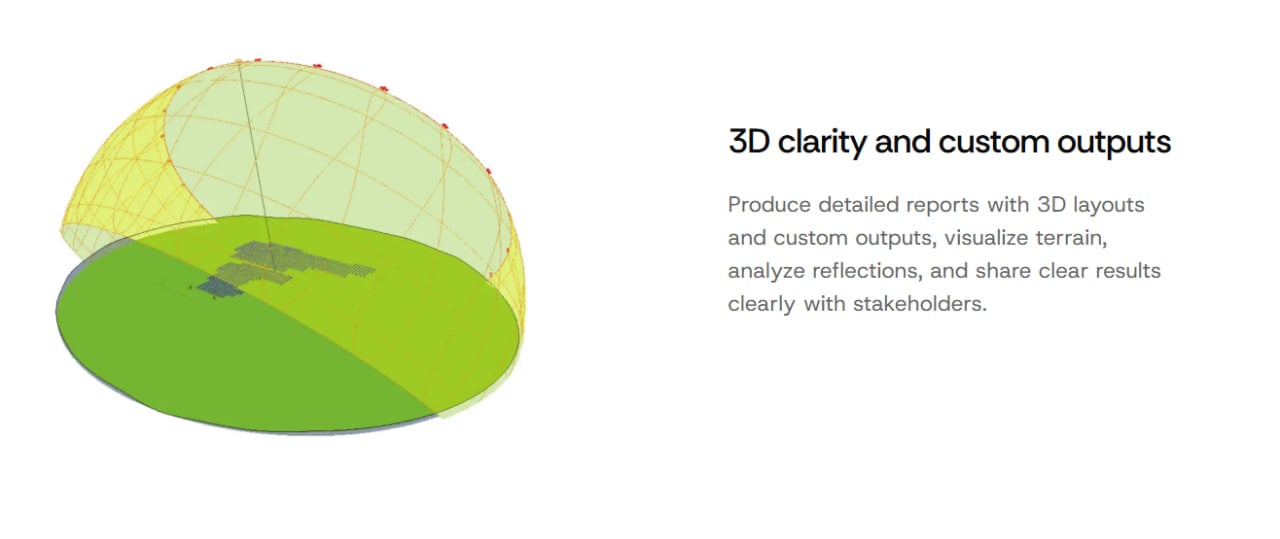
Engineers can review the visual 3D asset map to identify underperforming areas, calculate total system losses, compare layout options, and export professional yield reports for investors and other project stakeholders.
What You Can Manage with PVcase Yield
- Energy yield simulations: Detailed modeling of the usable AC energy expected to be delivered to the power grid.
- Digital twin assets: Virtual replicas of commercial and utility-scale solar installations based on precise geometric layouts.
- System loss records: Reports identifying module-level inefficiencies and thermal-electrical losses.
- Layout optimization scenarios: Side-by-side comparisons of system configurations to identify the highest-yielding design.
- Bankable performance reports: Annual production data, P90 estimates, and 8760 files for investors, developers, and operators.
FAQs
What does PVcase Yield do?
PVcase Yield is a cloud-based simulation tool that uses digital twin technology and 3D ray tracing to evaluate solar energy performance. It calculates energy yield metrics and identifies structural, shading, thermal, and electrical losses across large solar layouts.
Who is PVcase Yield best for?
The platform is designed for utility-scale solar developers, engineering firms, and EPC teams that require detailed energy production forecasts. It is particularly suitable for organizations looking to replace fragmented design and simulation tools with an integrated workflow.
Is PVcase Yield free?
No, PVcase Yield does not have a permanent free version. It is an enterprise software solution, and companies must request a demonstration and custom subscription quote.
What are the main limitations of PVcase Yield?
The software is primarily focused on utility-scale and commercial projects, making it less suitable for residential installations. Pricing is not publicly disclosed, and additional PVcase tools may be required to achieve a fully integrated design and simulation workflow.
What are the best alternatives to PVcase Yield?
Common alternatives for solar performance modeling and energy yield simulation include PVsyst, RatedPower, and PVFARM.