DIgSILENT PowerFactory
Pros
- Comprehensive all-in-one power system simulation platform.
- Accurate engineering algorithms aligned with international standards.
- Advanced automation with Python scripting support.
- Strong collaboration and version control capabilities.
- Large equipment and protection device libraries.
- Widely trusted by utilities and research institutions.
Cons
- Steep learning curve for new users.
- Requires powerful hardware for large-scale simulations.
- High cost for smaller organizations.
- Complex interface may overwhelm beginners.
- Quote-based pricing limits upfront budgeting transparency.
Today’s electrical grids are becoming more complex as we integrate renewable energy, distributed generation, and electric vehicles. To keep everything stable and reliable, engineers need powerful tools to model these systems accurately. DIgSILENT PowerFactory meets this need by offering a single, integrated platform for both planning and operating power systems.
This software is a go-to for utilities, consultants, and researchers who need deep insights into how a grid is performing. Instead of juggling multiple specialized tools, users get a wide range of analysis functions—from basic steady-state calculations to complex transient simulations—all in one place.
What Is DIgSILENT PowerFactory?
DIgSILENT PowerFactory is a professional power system modeling and simulation platform designed for electrical engineering applications. It is used for planning, designing, analyzing, and operating generation, transmission, and distribution networks.
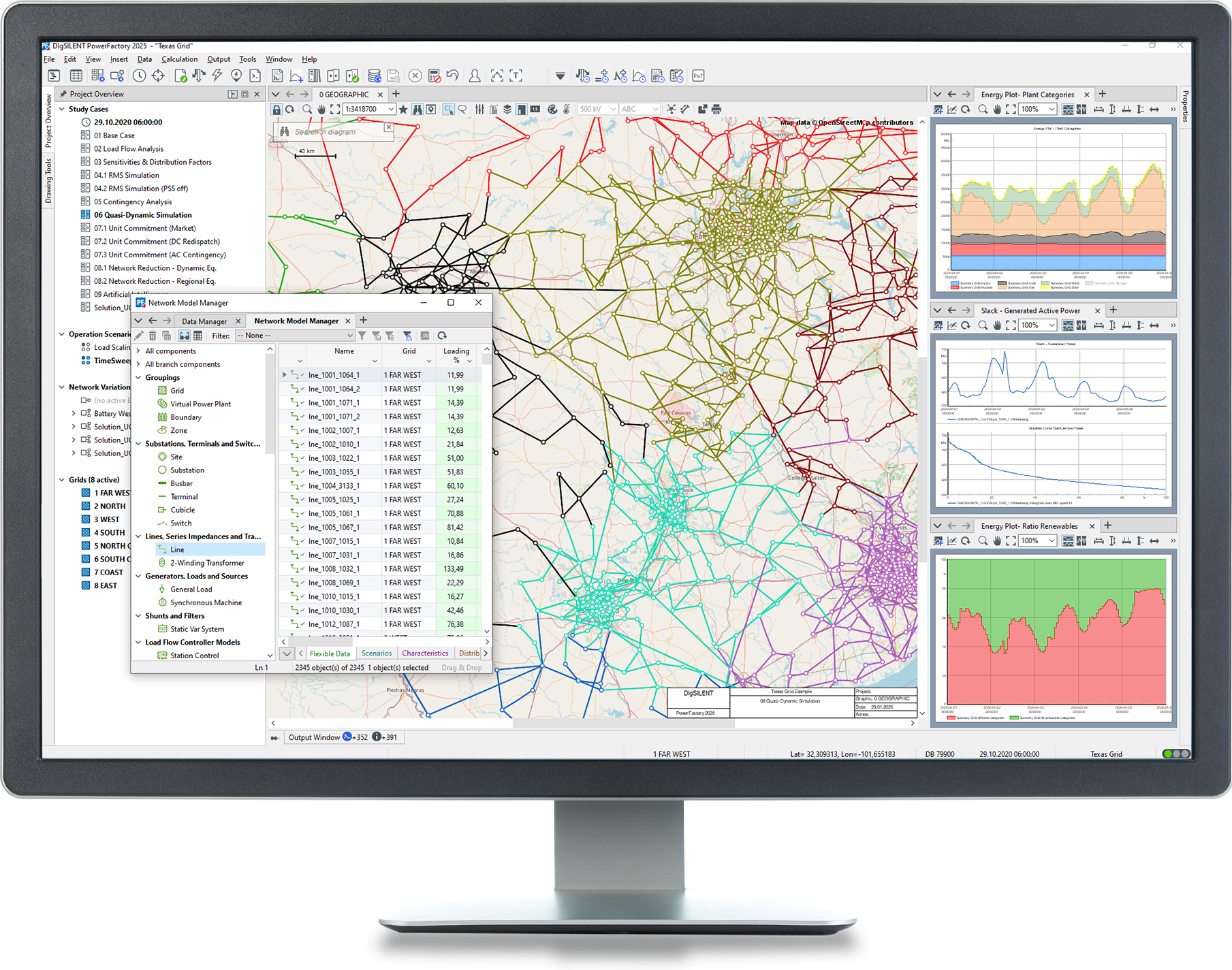
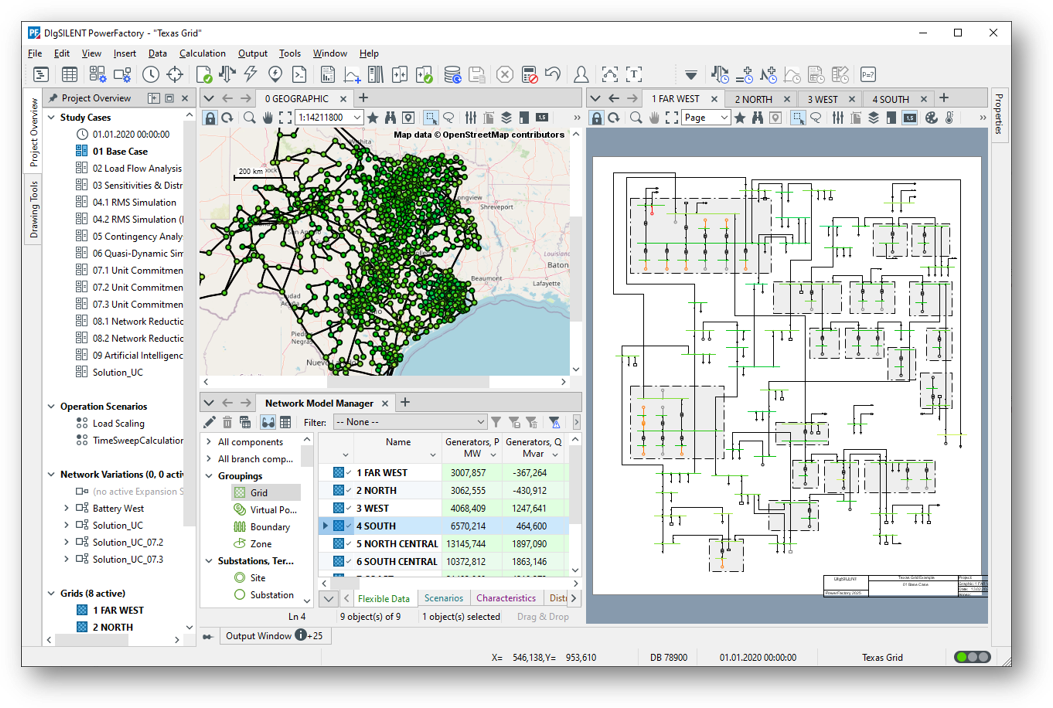
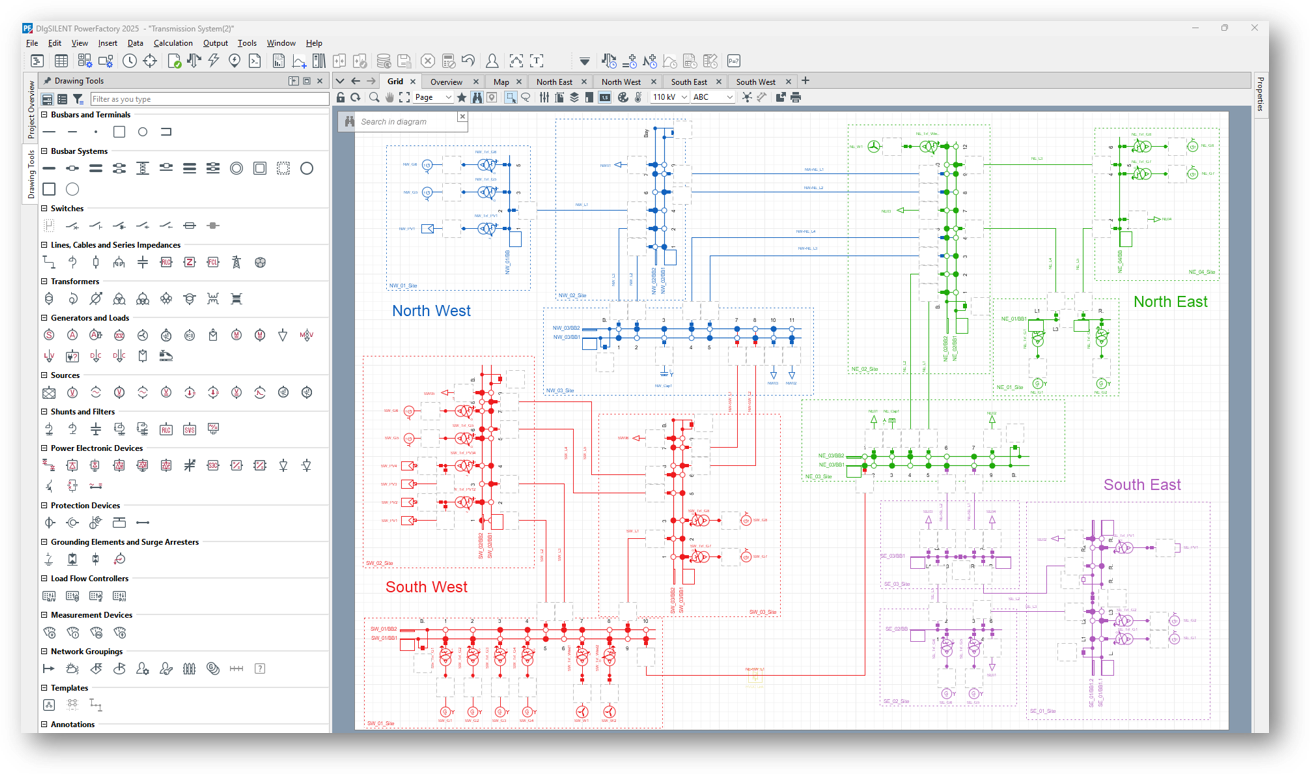
The platform allows engineers to build detailed digital grid models using extensive equipment libraries and advanced simulation tools for load flow, short-circuit analysis, stability studies, and renewable energy integration.
Features
- Load Flow Analysis: Analyze voltage levels, power flow, and equipment loading.
- Short-Circuit Analysis: Calculate fault currents according to IEC, ANSI, and IEEE standards.
- Dynamic Simulation: Simulate system stability and transient events.
- Renewable Energy Integration: Model solar, wind, and battery storage systems.
- Protection Device Modeling: Simulate relays, breakers, and protection coordination.
- Small Signal Stability: Perform eigenvalue analysis for grid stability studies.
- Scripting and Automation: Use Python and DPL scripting for automation.
- Network Model Management: Support project versioning and multi-user collaboration.
Screenshots
DIgSILENT PowerFactory Pricing
DIgSILENT PowerFactory uses a custom quote-based pricing structure depending on the number of nodes, simulation modules, and licensing type.
- Free Demo: 30-day evaluation license available.
- Commercial License: Configurable by node count and enabled modules.
- Educational Licenses: Discounted versions for universities and researchers.
- Perpetual Licenses: One-time purchase with annual maintenance.
- Subscription Plans: 6- and 12-month subscription options.
- Student Licenses: Free or low-cost academic licenses for projects and research.
Integrations
DIgSILENT PowerFactory integrates with GIS, SCADA, engineering, and database systems.
- GIS Systems: Import geographic network data automatically.
- SCADA and EMS: Connect with real-time grid monitoring systems.
- Engineering Tools: MATLAB/Simulink and FMI co-simulation support.
- Database Platforms: Oracle, SQL Server, and PostgreSQL support.
- Industry Standards: CIM and manufacturer-specific data exchange formats.
How to Set Up DIgSILENT PowerFactory
- Request a quote and choose required simulation modules.
- Download the installation package from the DIgSILENT portal.
- Install the software and License Manager on a Windows system.
- Activate the license using a key, dongle, or cloud activation.
- Configure local or multi-user databases.
- Create your first project and network model.
How to Use DIgSILENT PowerFactory
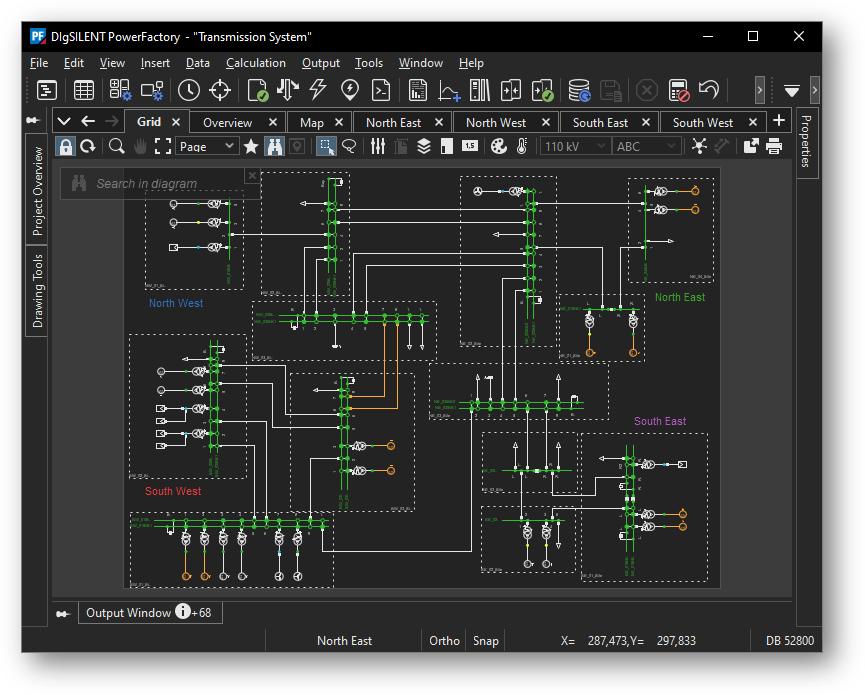
Engineers create network models using graphical diagrams and equipment libraries. Once the model is built, users run simulations such as load flow, short-circuit analysis, and stability studies directly within the software.
Advanced users automate studies with Python scripts and generate reports for planning, compliance, and infrastructure upgrade projects.
What You Can Manage with DIgSILENT PowerFactory
- Grid Models: Build digital twins of electrical networks.
- Simulation Results: Analyze voltage, current, and power flow scenarios.
- Protection Coordination: Manage relay settings and protection studies.
- Hosting Capacity Studies: Evaluate solar and EV integration limits.
- Compliance Reporting: Generate utility and regulatory reports.
- Automated Workflows: Streamline recurring simulations and exports.
FAQs
What does DIgSILENT PowerFactory do?
DIgSILENT PowerFactory is a professional power system analysis tool used for modeling, simulating, and optimizing electrical grids and energy systems.
Who is DIgSILENT PowerFactory best for?
It is designed for utilities, electrical engineers, consultants, researchers, and universities working on transmission, distribution, and renewable energy projects.
Is DIgSILENT PowerFactory free?
No, it is commercial software, but a 30-day demo and discounted academic licenses are available.
What are the main limitations of DIgSILENT PowerFactory?
Main limitations include the steep learning curve, hardware requirements for large simulations, and relatively high licensing costs.
What are the best alternatives to DIgSILENT PowerFactory?
Popular alternatives include ETAP, Siemens PSS/E, PSCAD, CYME, and OpenDSS.