OpenDSS
Pros
- Completely free and open-source.
- Strong support for distributed energy resource simulations.
- Excellent time-series and quasi-static analysis capabilities.
- Highly flexible scripting and automation environment.
- Handles non-standard grid configurations effectively.
- Large global engineering and research community.
- Fast simulation performance for large utility networks.
Cons
- Steep learning curve for users unfamiliar with scripting.
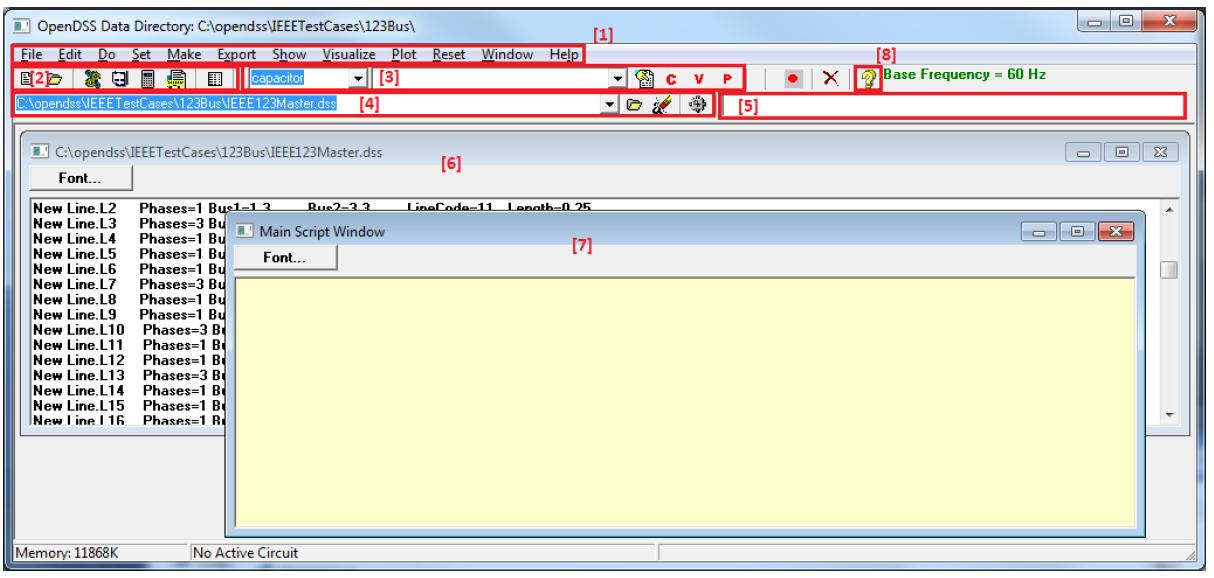
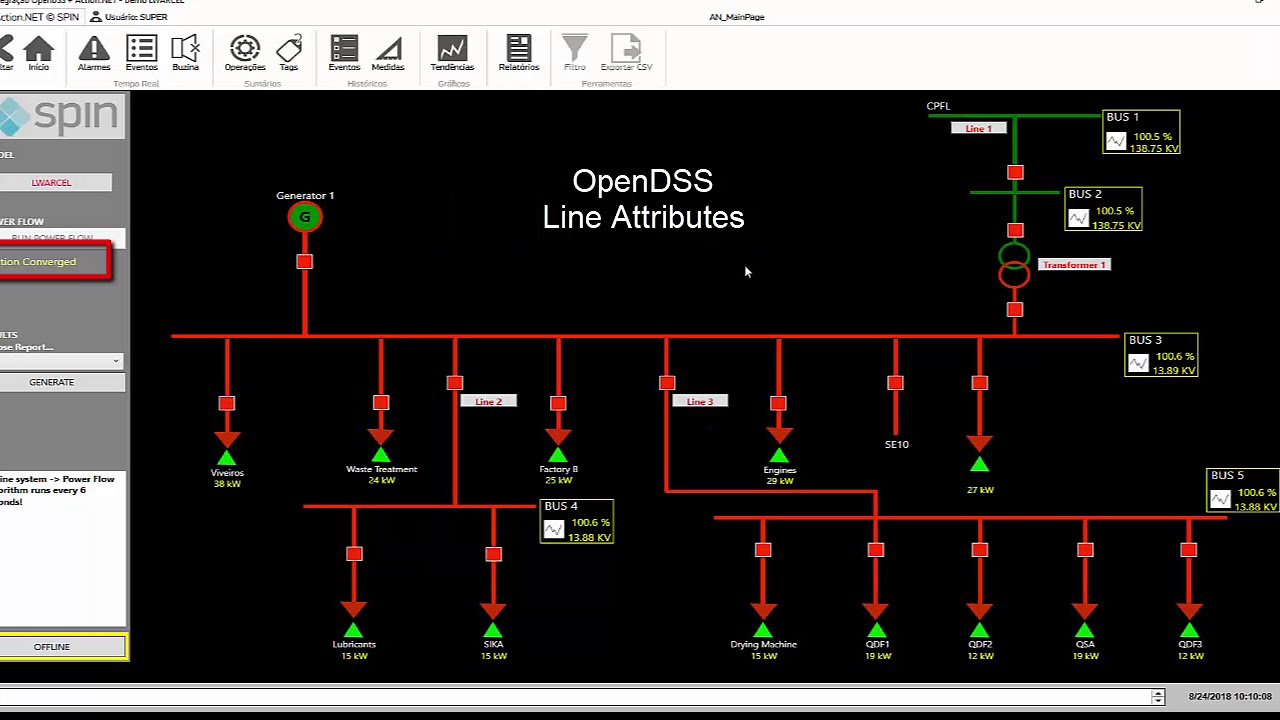
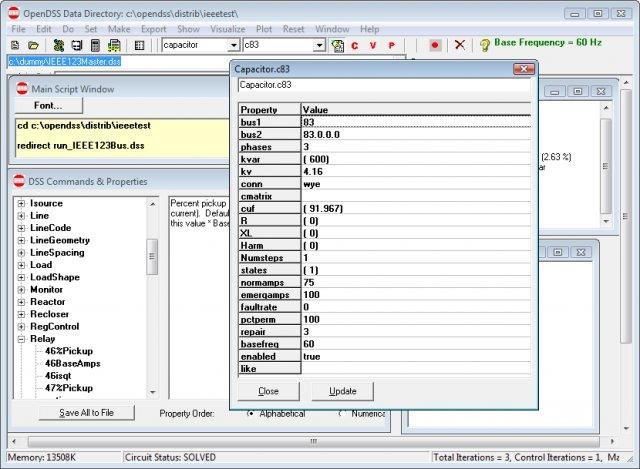
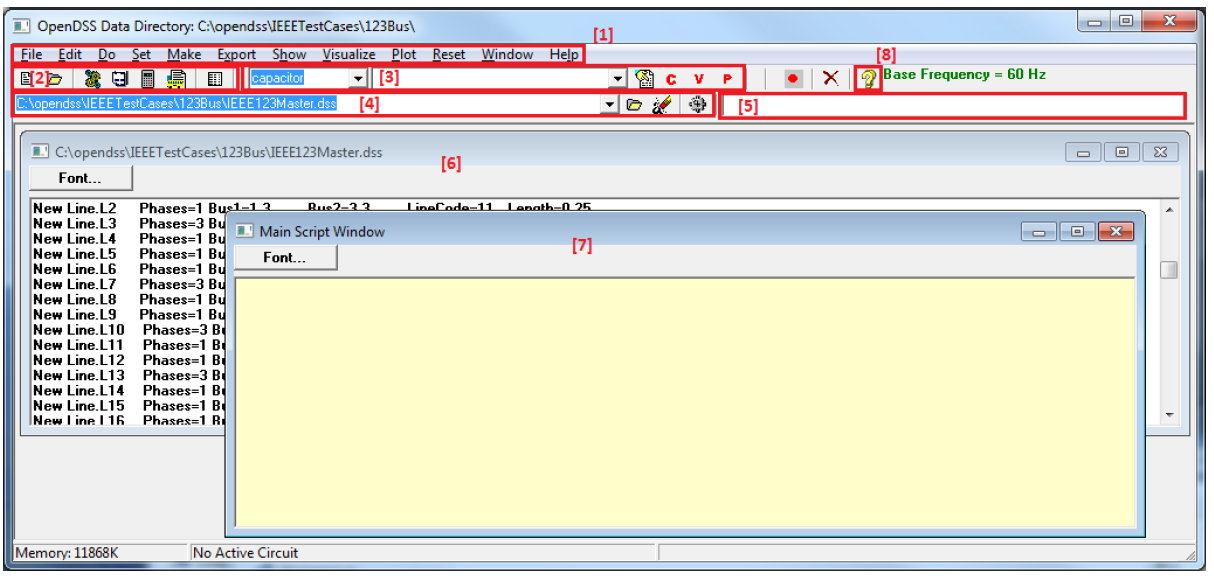
- Primarily text-based without a modern graphical interface.
- Requires strong electrical engineering knowledge.
- Documentation can feel fragmented across different sources.
- Does not perform electromagnetic transient simulations.
Modern electric distribution systems are becoming increasingly difficult to manage due to the rapid growth of solar PV, battery storage, electric vehicles, and distributed energy resources (DERs). Traditional power flow tools often struggle to simulate real-world time-varying behavior and multi-phase grid conditions accurately. OpenDSS solves this challenge with a highly flexible, script-driven simulation platform designed specifically for modern utility distribution networks.
Widely used by utilities, researchers, consultants, and national laboratories, OpenDSS allows engineers to run advanced time-series simulations, analyze grid impacts from renewables, and model complex feeder behavior with a high degree of control and customization.
What Is OpenDSS?
OpenDSS (Open Distribution System Simulator) is an open-source electric distribution system simulation tool originally developed by the Electric Power Research Institute (EPRI).
The platform is designed for frequency-domain analysis of utility distribution systems and supports advanced simulations involving distributed generation, smart grids, fault analysis, harmonic analysis, and time-series power flow studies.
Features
- Power Flow Analysis: Simulate radial and meshed electrical distribution systems.
- Quasi-Static Time-Series Simulations: Model daily and yearly grid behavior for solar and storage studies.
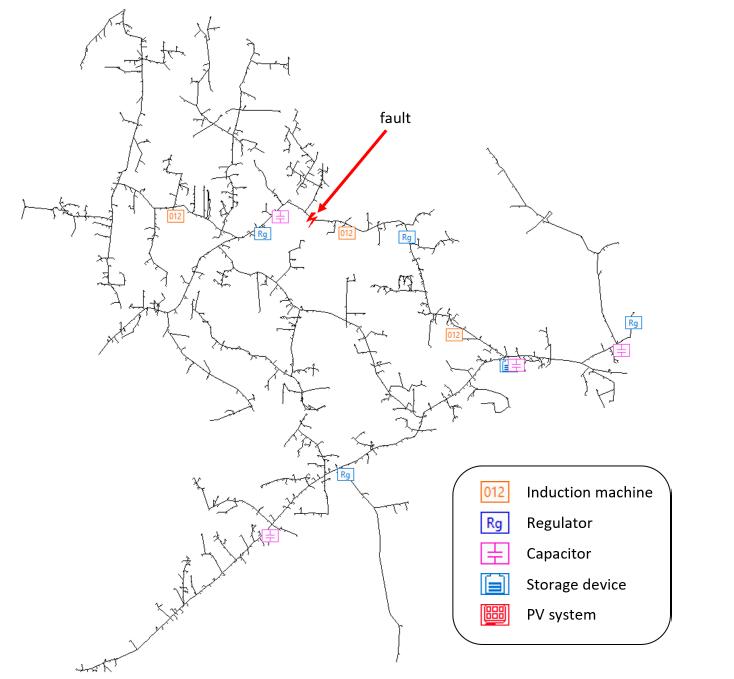
- Fault Analysis: Perform short-circuit and protection studies across distribution feeders.
- Harmonic Flow Analysis: Analyze power quality and harmonic distortion effects.
- Flexible N-Phase Modeling: Support non-standard transformers and multi-phase configurations.
- Programmable Scripting Environment: Automate studies using custom scripts and APIs.
- Controller Modeling: Simulate advanced smart grid automation and DER control systems.
Screenshots
OpenDSS Pricing
OpenDSS is completely free and open-source with no licensing fees.
- Free Download: Available directly from EPRI and open-source repositories.
- Open-Source License: Source code can be modified and redistributed.
- No Paid Tiers: All core simulation functionality is available at no cost.
- Third-Party Consulting: Specialized implementation and support services may require external vendors.
Integrations
OpenDSS integrates with multiple programming environments and simulation tools.
- Python Integration: OpenDSSDirect.py and dss_python support.
- MATLAB Integration: Official COM object support for automation workflows.
- Julia and .NET: OpenDSSDirect.jl and .NET integrations.
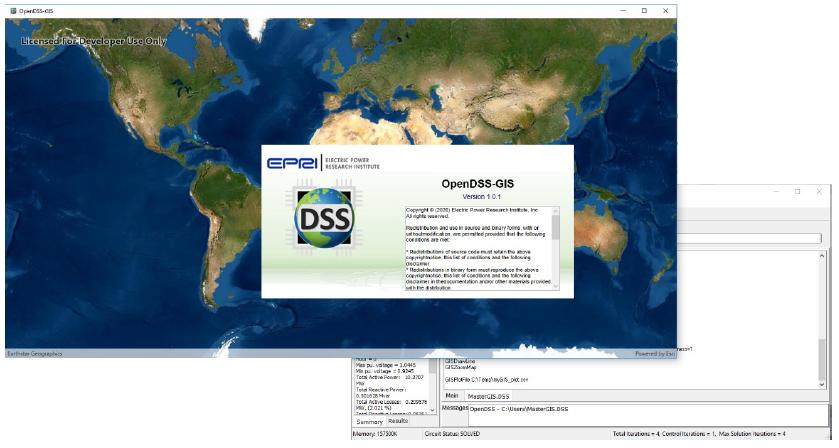
- GIS and Simulation Platforms: Integration with GIS mapping and Typhoon HIL environments.
- Excel Integration: Support for VBA-driven workflows and reporting.
- API and COM Interfaces: Automate studies using external applications.
How to Set Up OpenDSS
- Download the latest installer from the EPRI OpenDSS repository.
- Install the software and register the required DLL files.
- Review example feeder models included with the installation.
- Launch OpenDSS.exe or configure a Python/MATLAB integration.
- Load a .dss script file and compile the model.
- Run a Solve command to begin simulations.
How to Use OpenDSS
Engineers typically begin by defining electrical system components such as feeders, transformers, generators, and loads using the OpenDSS scripting language. After compiling the model, they run power flow simulations to analyze voltage levels, losses, and equipment loading.
For renewable energy studies, users often configure daily or yearly time-series simulations with solar production profiles and battery dispatch logic. Results are then exported for visualization and further analysis in external tools such as Python, MATLAB, or GIS software.
What You Can Manage with OpenDSS
- Distribution Planning: Evaluate feeder expansion and DER integration impacts.
- Renewable Energy Simulations: Analyze solar, wind, and storage grid behavior.
- Fault and Protection Studies: Configure relay and breaker coordination.
- Power Quality Analysis: Investigate harmonics and voltage stability.
- Smart Grid Automation: Test advanced control algorithms and switching strategies.
- Time-Series Grid Modeling: Simulate long-term operational behavior.
FAQs
What does OpenDSS do?
OpenDSS simulates electric utility distribution systems, helping engineers analyze power flow, renewable energy integration, fault behavior, and smart grid operations.
Who is OpenDSS best for?
It is designed for utility engineers, researchers, consultants, and renewable energy analysts who require highly flexible and programmable grid simulation capabilities.
Is OpenDSS free?
Yes, OpenDSS is completely free and open-source with no licensing costs.
What are the main limitations of OpenDSS?
Main limitations include its scripting-based workflow, lack of a modern graphical interface, and the need for advanced power systems knowledge.
What are the best alternatives to OpenDSS?
Popular alternatives include CYME, Milsoft, GridLab-D, Pandapower, and DIgSILENT PowerFactory.