CYME
Pros
- CYME has extremely accurate simulations
- It handles complex power systems with ease
- Great for renewable energy and modern grids
- It scales well for large utilities and enterprises
- The software has robust integration capabilities
Cons
- Takes time to fully learn
- It can be expensive when compared to some other tools
Designing electrical networks without proper simulation is like driving blind— you might get lucky, but the risks are severe. That’s where CYME steps in to save the day. It gives engineers a clear, detailed view of how the power system should behave under various conditions, from everyday loads to worst-case faults.
Instead of reacting to issues after they have already happened, you can identify them and fix them early. For teams working on modern grids or renewable energy projects, that kind of foresight isn’t just helpful, but essential.
What is CYME?
CYME is basically a heavy-duty power system analysis tool that was created by Eaton Corporation to help engineers design, test, and enhance electrical networks before anything goes wrong in real life.
If you’re dealing with power distribution, transmission, or even renewable setups like solar and battery storage, CYME gives you a safe space to experiment. Instead of guessing how your system might behave, you actually get to see it play out—no surprises, no costly mistakes. You can assess all the possible faults, load, voltage drop— and the best part is, you see it all in a safe setting.
Features
CYME isn’t trying to be “lightweight”—it’s designed for serious work. Here are features that make it stand out:
- Power flow analysis: CYME lets you see how electricity moves through your network. It’s super useful for when you need to identify overloads or inefficiencies before they become actual problems.
- Protection coordination: This ensures all your protection devices (like breakers) work together properly instead of tripping randomly.
- Fault & short-circuit assessment: CYME comes in handy when you need to predict what happens when things go wrong (because they will at some point). You can simulate faults and plan safer systems.
- Arc flash analysis: A big one for safety. It helps calculate arc flash risk so teams can stay compliant and protected.
- Renewable energy modeling: If you’re working on solar, wind, or batteries, CYME lets you plug them into your model to see how they could affect your grid.
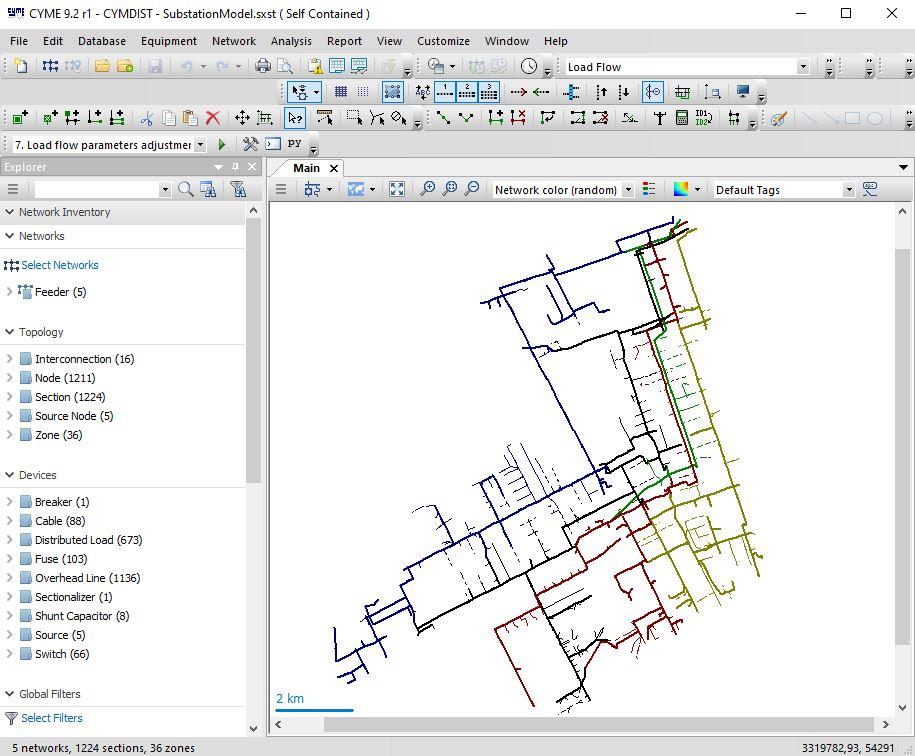
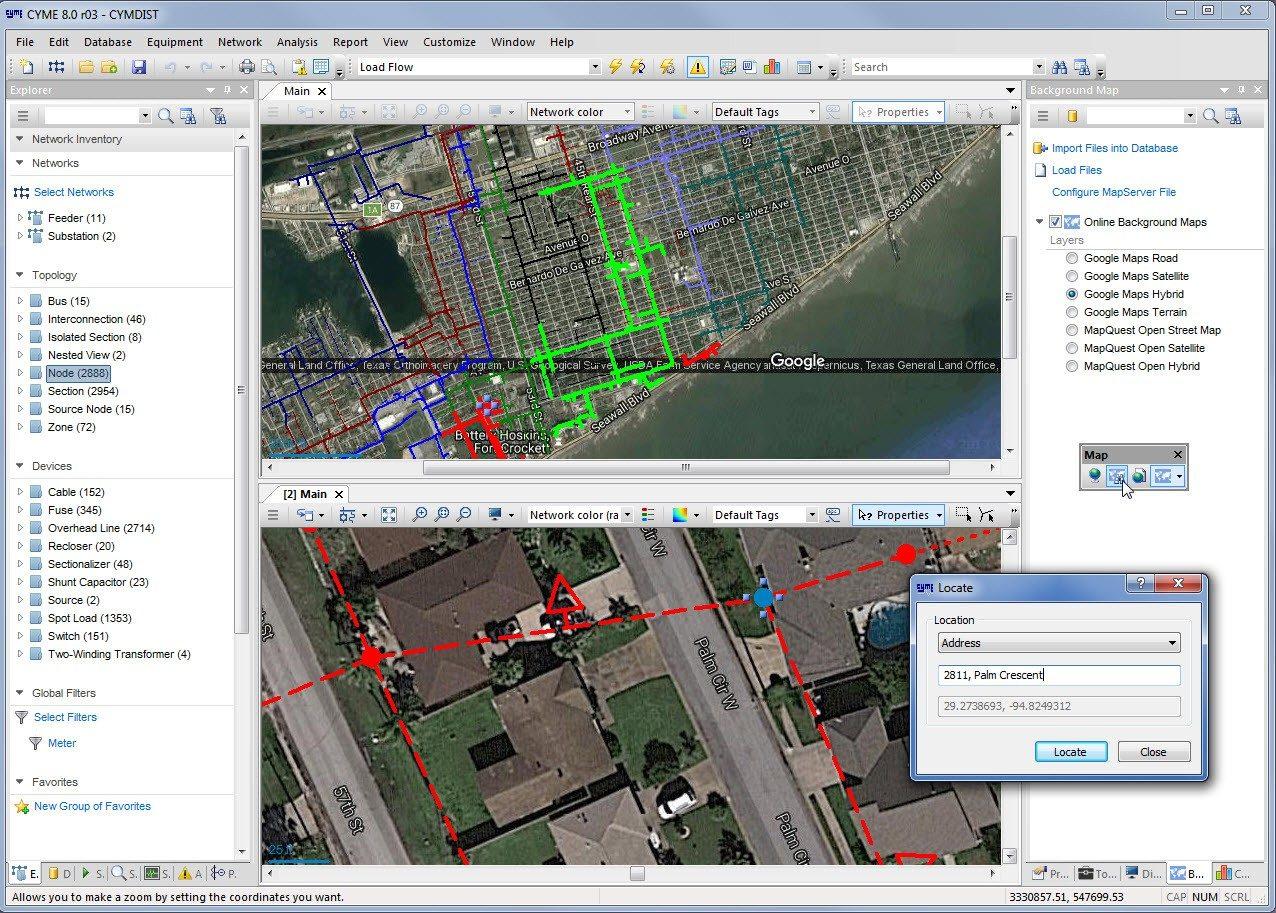
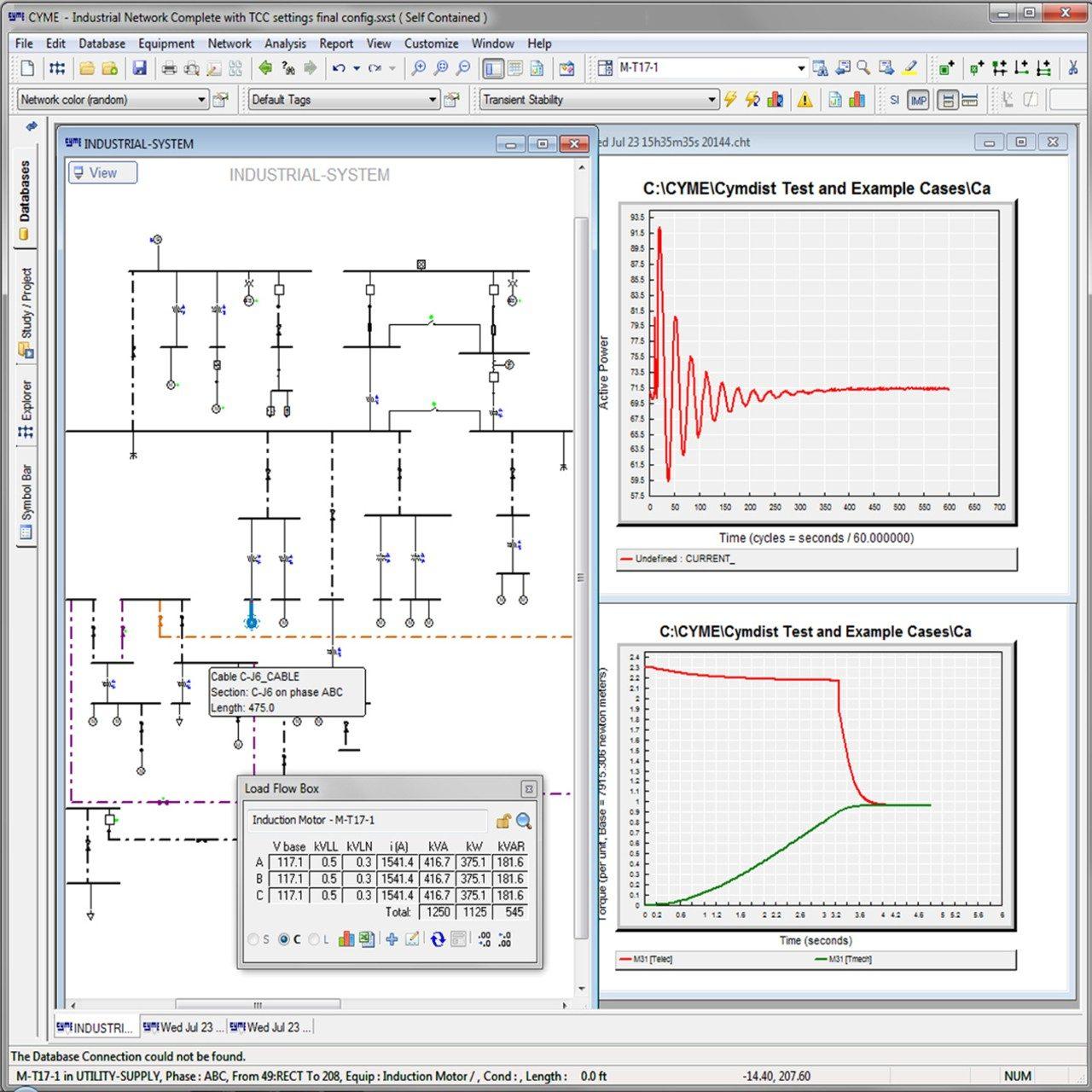
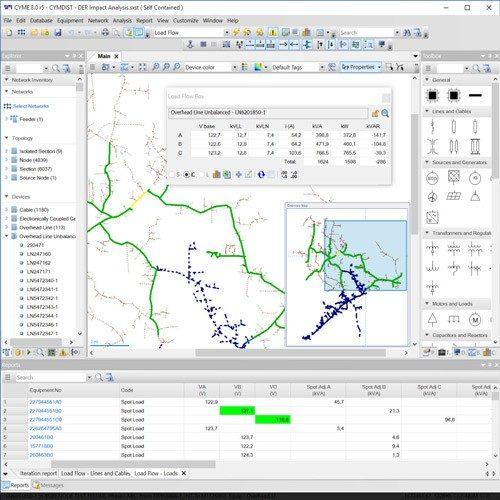
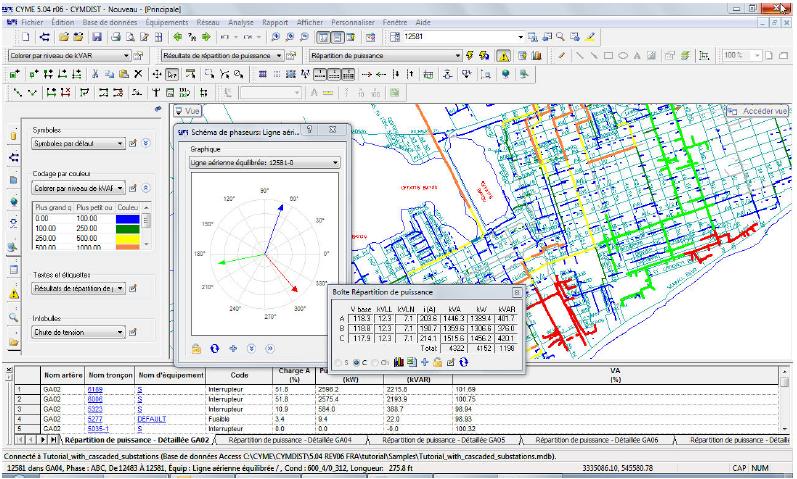
- Visual network modeling: You design your system using a graphical interface, which makes complex networks a bit easier to manage.
Screenshots
CYME Pricing
CYME doesn’t just slap a price tag on their website—and honestly, that tells you who it’s for. This tool’s software varies based on your needs, the module you choose, and the enterprise-level requirements.
Integrations
Among the areas CYME shines is working with other systems. Here is what this software can connect with:
- SCADA systems: For real-time monitoring
- GIS platforms: For mapping electrical networks
- EMS/DMS systems: For energy management
- Python scripting: For automating tasks
This seamless integration is what makes CYME powerful in the real-world environment, not just in simulations.
How to Use CYME
Getting started with CYME isn’t just “Plug and Play.” Here is a simplified process you can use to set up this tool:
- Install and set up
Once you have your license, the next thing to do is install CYME on your system.
- Build your network
With the help of a visual editor, create your electrical system. You can add elements like lines, transformers, loads, and generators.
- Input system data
This is where accuracy really counts. Enter voltage levels, load data, and equipment specifications.
- Run simulations
Choose what you want to analyze. This can be anything from power flow and faults, to arc flash —then run it.
- Review your results
CYME typically provides you with detailed outputs like the fault currents, voltage drops, and system behavior.
- Optimize
You can tweak your system, rerun the simulation, and enhance the performance or safety step-by-step.
FAQs
Is CYME only for big companies?
Mostly, yes. It’s designed for utilities and large engineering teams. This software may be overkill for smaller companies.
Can beginners use CYME?
Technically, yes, but it’s much easier if you have a solid background in power systems to make sense of it.
Does CYME support solar and renewable energy?
Yes, and it does it really well. You can model solar, wind, and battery systems as part of your grid.
Is CYME cloud-based?
Not primarily. It’s usually installed locally or on company servers, though it can integrate with enterprise systems.
How long does it take to learn CYME?
Depends on your experience. If you’re just getting started in power systems, expect it might take some time to learn how to use CYME.
What makes CYME unique?
Its depth and accuracy. It’s not just for basic simulations—it’s built for complex, real-world power systems.