Uplight
Pros
- Industry-leading scale, managing more than 8 GW of flexible load across dozens of utility partners.
- Highly accurate forecasting models that improve grid reliability and reduce energy procurement costs.
- Comprehensive end-to-end solution that covers technical grid orchestration and customer-facing communications.
- Strong security posture with SOC 2 compliance and rigorous data privacy controls.
- Backed by major energy technology companies, including Schneider Electric.
- Proven track record with large-scale utilities such as Puget Sound Energy and PSEG.
Cons
- Complex implementation process that requires significant integration with legacy utility infrastructure.
- High barrier to entry for smaller utilities because of its enterprise focus and pricing model.
- Learning curve for staff using the advanced AI-driven dispatch and analytics tools.
- Reliance on third-party hardware manufacturers for granular device control.
- Pricing and specific plan structures are not publicly available.
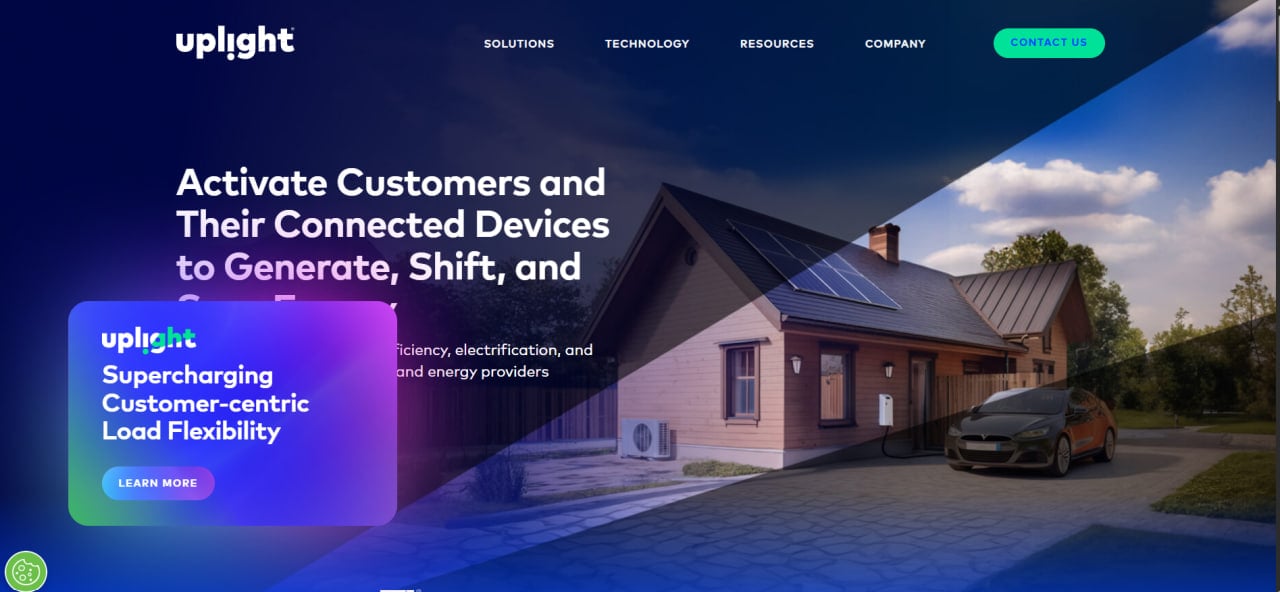
Utilities face increasing pressure to manage a decentralized energy grid as intermittent renewables and distributed energy resources (DERs) like electric vehicles and smart thermostats become more common. Managing these disparate assets while maintaining grid stability and keeping customers engaged is a significant operational challenge.
Uplight provides a unified software suite that bridges the gap between the utility control room and the energy consumer. By aggregating small-scale energy assets into virtual power plants (VPPs), the platform allows energy providers to create a more resilient, flexible, and sustainable grid.
What Is Uplight?
Uplight is an enterprise Software-as-a-Service (SaaS) platform classified under Grid Flexibility Management and Customer Engagement software. It is primarily designed for energy providers, cooperative utilities, and retail energy marketers.
The platform works by integrating with a utility’s existing billing and customer data systems and then connecting to various behind-the-meter devices such as smart thermostats, home batteries, and EV chargers. By using AI-driven analytics, Uplight can predict energy demand and automatically dispatch these connected assets to reduce strain on the grid during peak times.
Uplight serves over 80 energy providers globally and manages more than 8 GW of flexible load. The company has secured strategic investments from major industry players like Schneider Electric and Octopus Energy, and it expanded its technical capabilities by integrating the AutoGrid VPP platform.
Features
- Demand Response Orchestration: Enables utilities to enroll and manage customers in programs that automatically adjust energy usage during peak demand periods to ensure grid reliability.
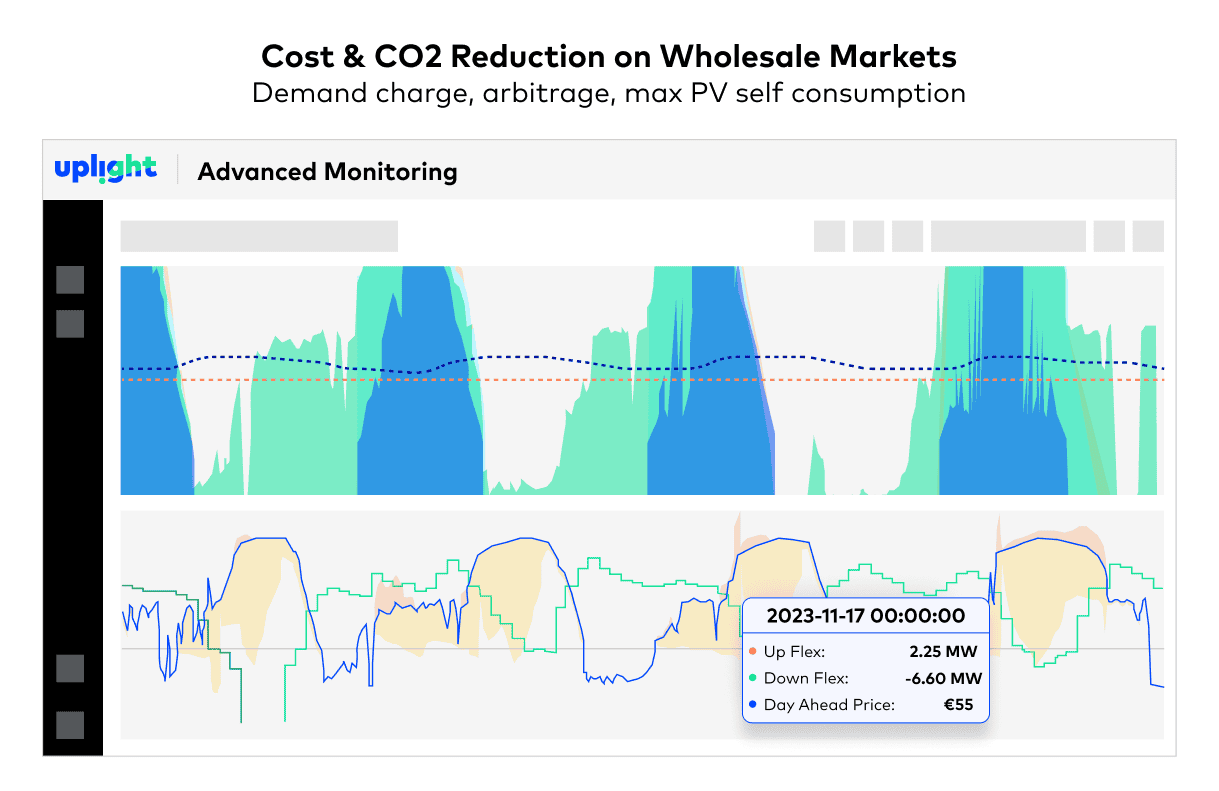
- Virtual Power Plant Management: Aggregates diverse distributed energy resources—including batteries, solar inverters, and EVs—into a single dispatchable resource that can participate in energy markets.
- AI-Powered Forecasting: Uses advanced machine learning models to provide 97% forecasting accuracy for load and generation, helping grid operators make informed decisions in real time.
- Personalized Customer Journeys: Delivers data-driven recommendations to homeowners and businesses via email, web, and mobile apps to encourage participation in energy-saving programs.
- E-Commerce Marketplace: Provides a white-labeled online store where utility customers can purchase energy-efficient products, with rebates and program enrollments applied instantly at checkout.
- Performance Analytics and M&V: Offers comprehensive measurement and verification tools to track the impact of grid events and ensure compliance with regulatory requirements.
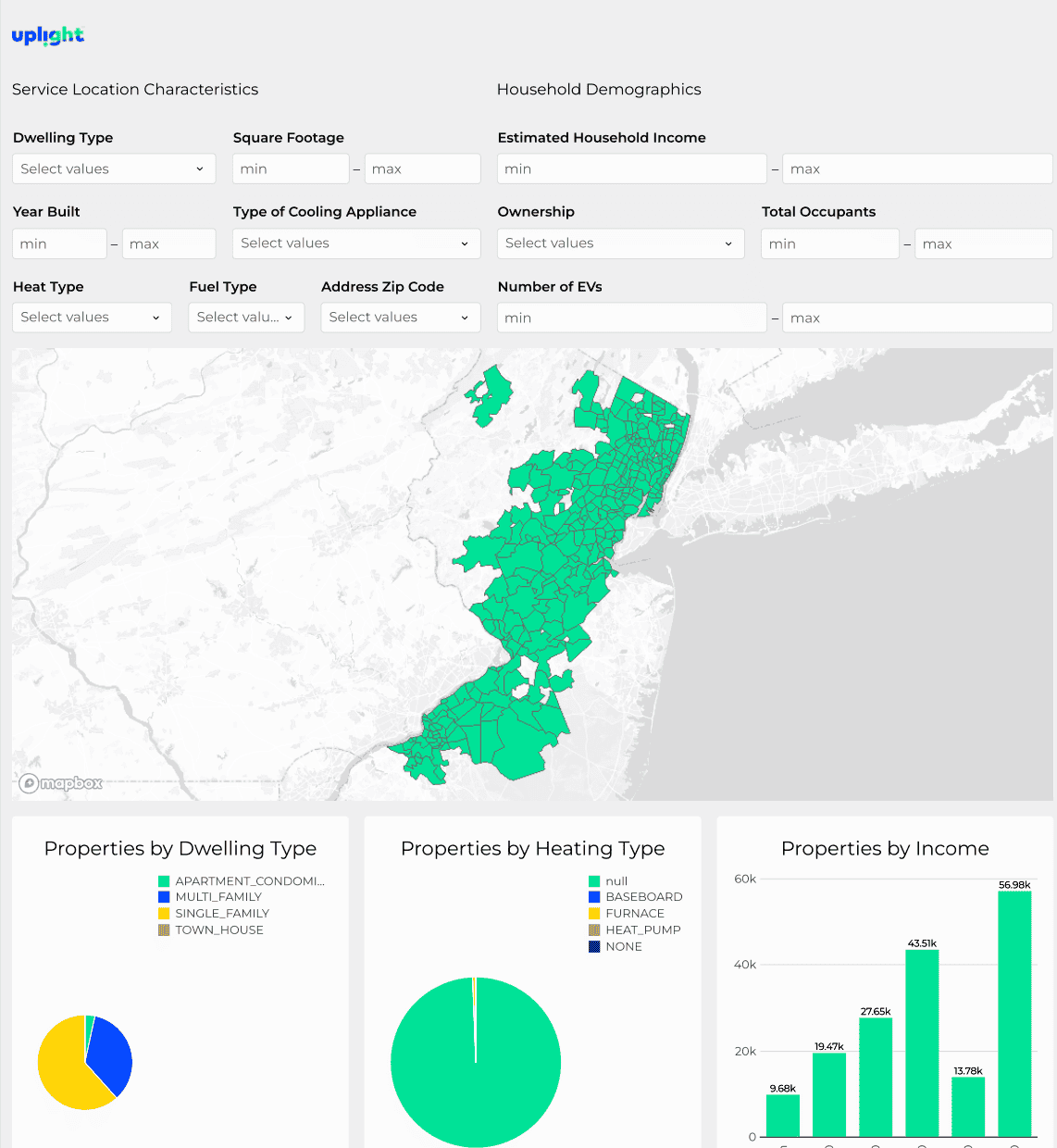
- Grid-Edge Intelligence: Uses high-frequency data from smart meters and connected devices to identify specific appliance signatures and optimize load shifting at the individual household level.
Screenshots
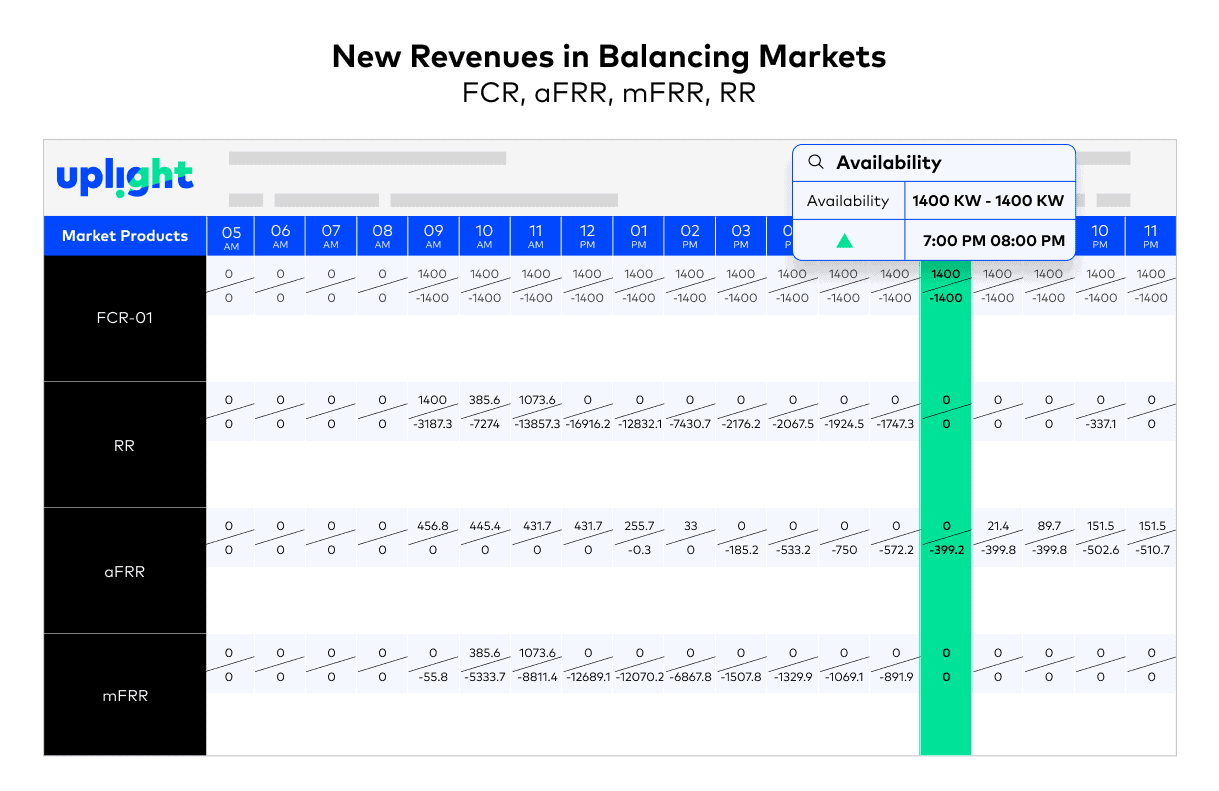
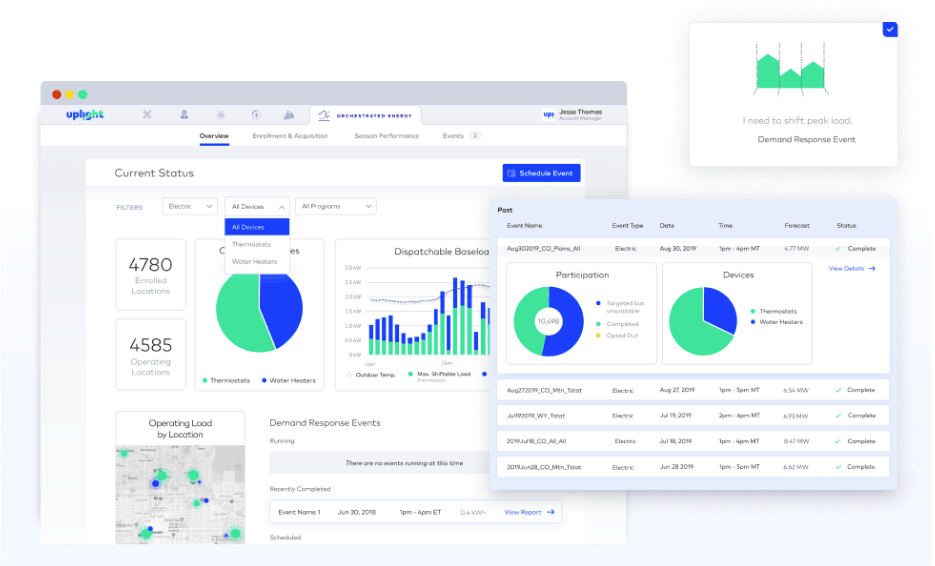
Uplight Pricing
Pricing is not publicly listed. The company operates on an enterprise B2B model, and interested utilities must contact the Uplight sales team to request a demo and receive a custom quote based on their customer base and specific grid needs.
The cost structure typically depends on:
- The number of utility customers served.
- The specific modules selected, such as VPP, Demand Response, or Marketplace.
- The volume of flexible energy load being managed.
- The complexity of integrations with existing utility systems.
- Implementation, onboarding, and technical support requirements.
Integrations
Uplight is built on an open, cloud-native architecture designed to operate on top of legacy utility systems.
- Utility Core Systems: Integrates with Customer Information Systems, Advanced Metering Infrastructure, and billing systems to synchronize customer data.
- Smart Home Hardware: Supports a wide ecosystem of IoT devices, including Google Nest, Ecobee, and various EV charging networks.
- Enterprise Software: Includes certified Salesforce integrations through the Uplight Business Customer Solutions for Salesforce app.
- Cloud and API: Provides flexible external APIs that enable data exchange with third-party service providers and internal utility dashboards.
- Back-Office Grid Tools: Connects with grid management software from partners such as Schneider Electric and Kraken by Octopus Energy.
How to Set Up Uplight
- Book a discovery call and demo with the Uplight sales and technical teams to assess grid requirements.
- Define the project scope, including which modules—such as VPP or Demand Response—are required.
- Establish data integrations between Uplight’s cloud platform and the utility’s CIS, AMI, and billing systems.
- Configure the customer-facing portals and customize the interface to match the utility’s branding guidelines.
- Launch device enrollment campaigns to recruit customers into grid flexibility programs.
- Begin monitoring grid load and executing dispatch events through the centralized dashboard.
How to Use Uplight
A utility operator or program manager typically starts the day by reviewing AI-powered load forecasts to identify potential grid constraints or high-cost energy periods. If a peak is predicted, the operator can schedule a demand response event through the dashboard.
The software then automatically notifies enrolled customers and prepares connected devices for adjustment. During the event, the operator monitors the real-time dispatchable capacity contributed by the VPP.
After the event, the system generates a performance report detailing the total energy shifted and calculated cost savings. Customer service teams can also use the platform to track individual participation and manage incentives or rebates earned by consumers.
What You Can Manage with Uplight
- Virtual Power Plant Portfolios: Manage and dispatch thousands of distributed assets as a single grid resource.
- Demand Response Programs: Oversee customer enrollment, event scheduling, device dispatch, and notifications.
- Grid Load Forecasts: Access high-accuracy predictions of energy usage and distributed generation.
- Customer Engagement: Track and personalize interactions with energy consumers across multiple digital channels.
- Energy Efficiency Marketplaces: Manage product sales, inventory, program enrollment, and instant rebate applications.
- Compliance Reporting: Produce verified reports for regulators covering energy savings and grid impacts.
FAQs
What does Uplight do?
Uplight provides software that helps utilities manage the transition to a clean energy grid. It connects customers’ smart devices to the utility control room, allowing energy providers to shift demand during peak periods and manage virtual power plants.
Who is Uplight best for?
The platform is primarily designed for large-scale energy providers, cooperative utilities, and retail energy marketers. It is ideal for organizations looking to scale demand response programs or integrate large volumes of renewable energy resources into the grid.
Is Uplight free?
No, Uplight is an enterprise B2B software platform. Utilities pay for the service through custom subscription models based on the scale of their operations and the specific features they use.
Does Uplight support integrations?
Yes. Uplight integrates with utility billing systems, Customer Information Systems, Advanced Metering Infrastructure, smart home devices, EV charging networks, Salesforce, and third-party grid management tools through APIs.
What are the main limitations of Uplight?
The primary limitation is the complexity of implementation, as it requires deep integration with existing utility databases and billing systems. Because it is an enterprise-level platform, it may also be too complex or expensive for small independent power producers.
What are the best alternatives to Uplight?
Common alternatives in the VPP and DER management market include Schneider Electric EcoStruxure, Siemens, EnergyHub, Tesla, and Enphase. The best option depends on deployment scale, hardware compatibility, customer engagement requirements, and grid optimization needs.