Schneider Electric EcoStruxure

Pros
- Proven reliability with a strong track record in critical infrastructure and global energy management.
- High scalability, suitable for everything from small commercial buildings to nationwide electrical grids.
- Strong cybersecurity focus through partnerships with Microsoft and adherence to international security standards.
- Comprehensive ""all-in-one"" visibility that bridges the gap between hardware, edge control, and cloud analytics.
- Significant potential for ROI through energy savings (up to 30%) and reduced engineering and maintenance costs.
- Vendor-agnostic capabilities that allow for the integration of many third-party devices via open protocols.
Cons
- High initial complexity during the setup and configuration of large-scale site hierarchies.
- The pricing structure can be opaque and difficult to predict without a formal sales quote.
- Requires specialized technical expertise to fully leverage advanced analytics and custom automation features.
- The most seamless experience and deepest data insights are often tied to using Schneider Electric’s own hardware.
- The transition from older legacy systems can involve a lengthy data migration process.
Modern utilities and industrial facilities face the dual challenge of meeting rising energy demands while transitioning to sustainable, decentralized power sources. Managing these complex systems requires more than just hardware; it necessitates a digital framework that can bridge the gap between operational technology and information technology. Schneider Electric EcoStruxure addresses this by providing an interoperable, IoT-enabled architecture designed to enhance safety, reliability, and efficiency across the energy lifecycle.
Energy managers, utility operators, and sustainability officers often consider EcoStruxure to gain better visibility into their electrical assets. By connecting everything from sensors to the cloud, the platform allows for real-time data collection and advanced analytics. This transition from reactive to predictive management helps organizations lower operational costs and meet aggressive carbon-reduction targets.
What Is Schneider Electric EcoStruxure?
Schneider Electric EcoStruxure is an open, interoperable, IoT-enabled system architecture and platform. It serves as the foundational technology backbone for Schneider Electric’s solutions in building automation, data centers, industry, and the power grid. Rather than being a single software application, it is a multi-layered ecosystem that combines connected products, edge control, and applications/analytics to provide “”Innovation at Every Level.””
The platform is designed for a broad range of target users, including utility distribution companies, large-scale industrial plants, and commercial facility managers. Its main use cases include smart grid management, battery monitoring, microgrid optimization, and comprehensive energy management. Verified trust signals include Schneider Electric’s global leadership in energy management with a presence in over 100 countries and partnerships with major technology providers like Microsoft and AVEVA to ensure secure, scalable cloud services.
Features
- Real-Time Grid Monitoring: Provides end-to-end visibility of electricity distribution networks, allowing utilities to detect faults and balance supply and demand in real time.
- Battery Monitoring and EMS: Specifically tracks the health and performance of battery energy storage systems (BESS), ensuring optimal state of charge and longevity for renewable energy integration.
- Predictive Maintenance: Uses advanced analytics and digital twin technology to identify potential equipment failures before they occur, reducing unplanned downtime and maintenance costs.
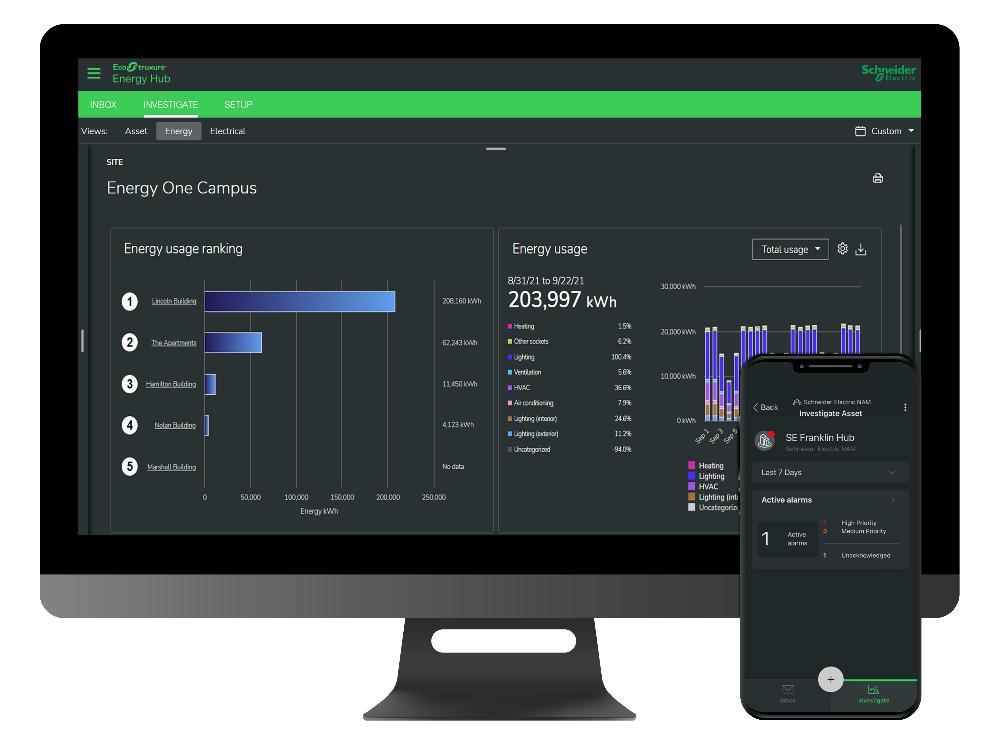
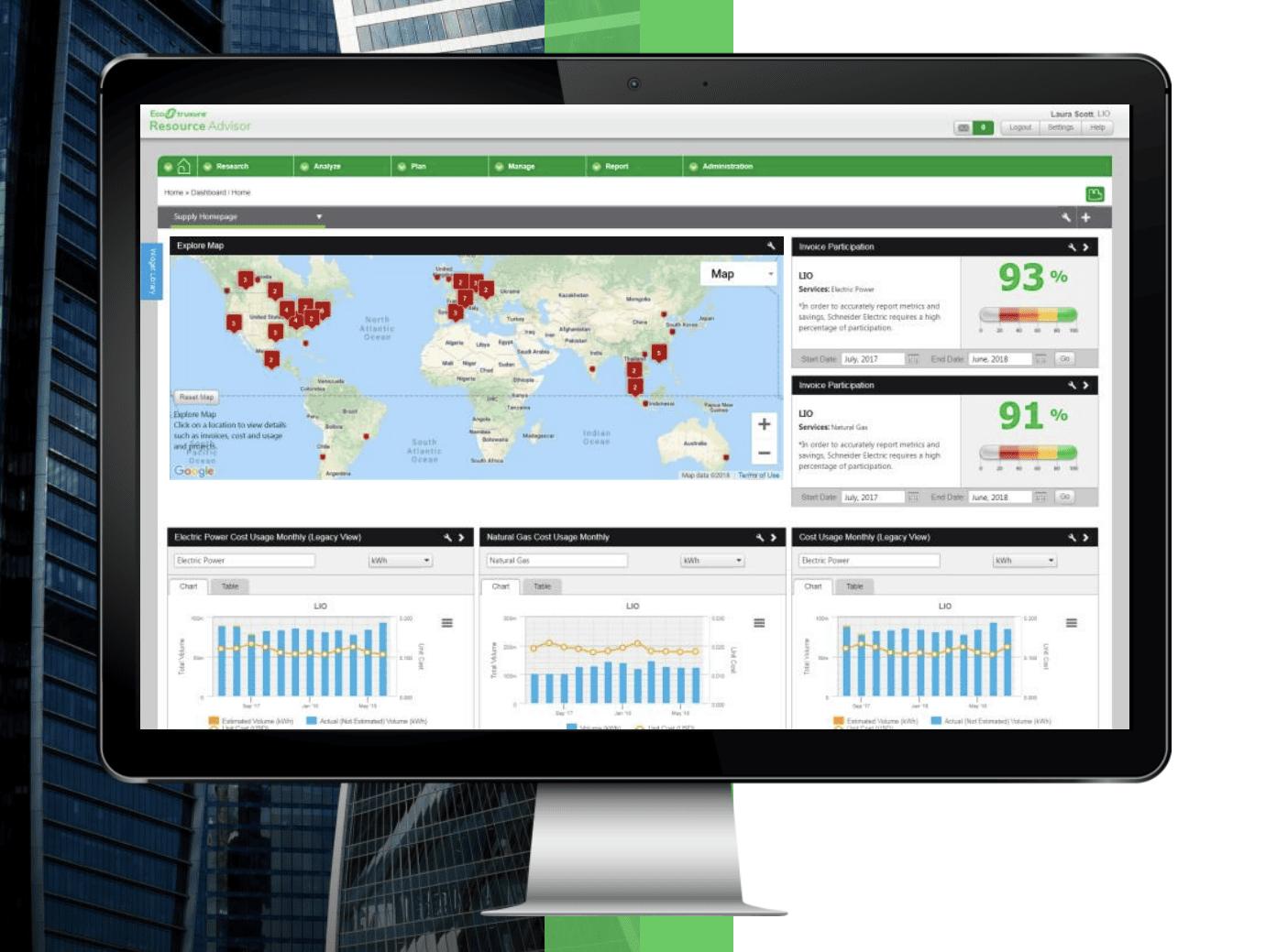
- Advanced Reporting and Dashboards: Generates detailed energy usage, CO2 footprint, and cost allocation reports, supporting compliance with sustainability certifications and internal audits.
- Interoperable Foundation: Built on open IP protocols, allowing for seamless integration with a wide variety of hardware, including third-party sensors, meters, and controllers.
- Demand Response Management: Helps utilities and facilities manage peak loads by automatically adjusting energy consumption based on grid signals or pricing.
- Edge Control: Enables local control of critical operations, ensuring system reliability even if cloud connectivity is temporarily interrupted.
Screenshots
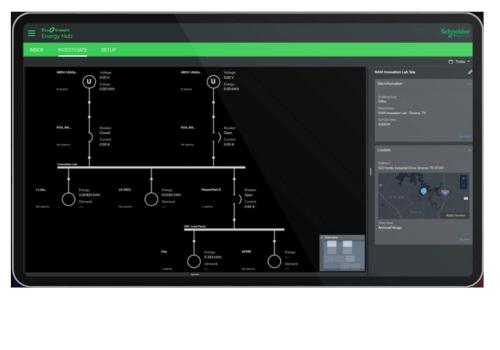
Schneider Electric EcoStruxure Pricing
Pricing for Schneider Electric EcoStruxure is not typically available as a flat rate, as costs are highly dependent on the scale of the deployment and the specific modules required. However, the following structures have been identified:
- Subscription Models: Certain digital services, such as EcoStruxure Energy Hub or IT Expert, are sold as annual subscriptions. For example, some entry-level monitoring licenses are listed starting around $133 per device per year.
- Node/Device-Based Fees: Pricing for data center and grid monitoring is often tiered based on the number of connected nodes or devices (e.g., a 10-node license for a 3-year term).
- Custom Enterprise Quotes: Large-scale grid or industrial implementations require direct consultation with Schneider Electric sales teams for a custom quote based on site audits and hardware requirements.
- Software Upgrades: Users with existing legacy software (e.g., older Building Operation versions) may incur one-time fees to upgrade to current EcoStruxure-compatible platforms.
Integrations
Schneider Electric EcoStruxure is built on an open cloud architecture that supports extensive technical integrations:
- Hardware Integrations: Seamlessly connects with the largest portfolio of building and power systems, including PowerLogic meters, MasterPact breakers, and EVlink charging stations.
- Software and Cloud: Built on Microsoft Azure, providing secure data storage and integration with enterprise IT environments and Microsoft’s AI capabilities.
- Industrial Protocols: Supports standard industrial communication protocols such as Modbus RS-485, Modbus TCP, BACnet, and open IP protocols for interoperability.
- Partner Ecosystem: Integrates with specialized partner software like AVEVA for advanced industrial automation and operations management.
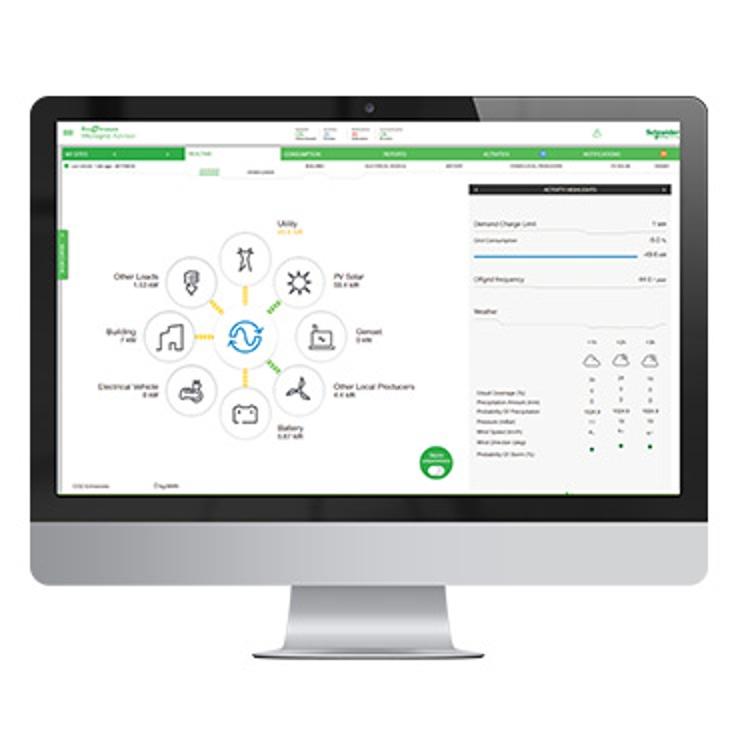
- Renewable Energy Tools: Compatible with various microgrid and battery energy storage hardware to facilitate the integration of solar and wind assets.
How to Set Up Schneider Electric EcoStruxure
- Conduct a site audit with a Schneider Electric specialist to identify necessary hardware, gateways, and sensors.
- Install the physical connectivity modules, such as Panel Servers or edge controllers, to collect data from on-site equipment.
- Register on the EcoStruxure platform and select the specific digital service modules (e.g., Grid, Energy Hub, or IT Expert).
- Configure the system architecture by defining site hierarchies, tagging assets, and setting up communication protocols.
- Establish cloud connectivity to begin data transmission from the edge devices to the analytics platform.
- Customize dashboards and configure automated alerts based on your specific operational thresholds.
How to Use Schneider Electric EcoStruxure
On a daily basis, facility managers or grid operators log into a centralized dashboard to monitor the health and performance of their electrical assets. Users check for active alarms or notifications that indicate equipment stress or consumption anomalies. If a battery monitoring system flags a temperature variance, the operator can drill down into the specific asset data to determine if intervention is needed.
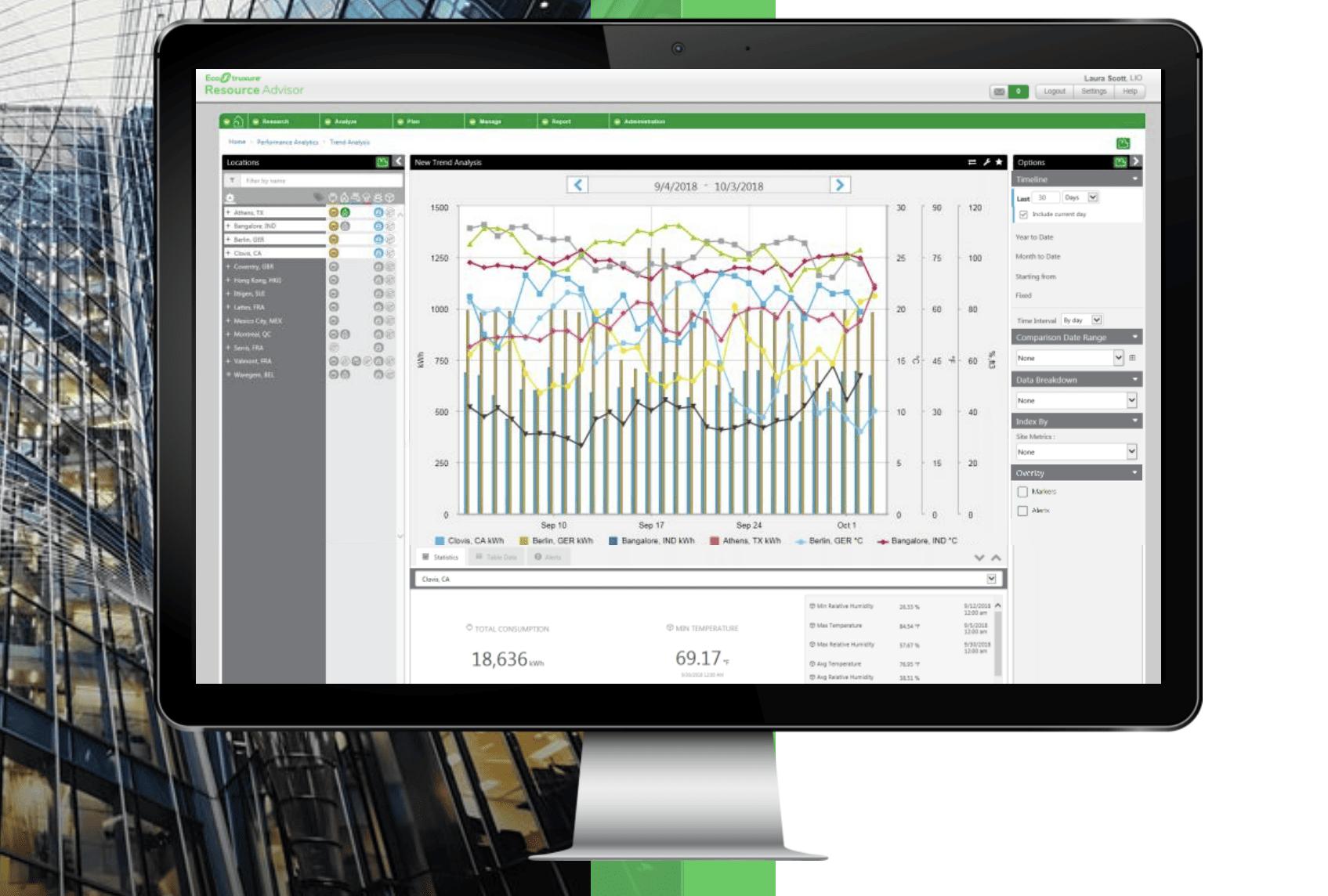
Throughout the day, energy managers use the analytics tools to compare current usage against historical benchmarks and sustainability targets. If energy costs are expected to peak, they might use the demand-response features to shed non-critical loads. Periodic reports are generated automatically to provide stakeholders with updates on carbon footprint reduction and utility budget performance.
What You Can Manage with Schneider Electric EcoStruxure
- Electrical Distribution Networks: End-to-end management of power flow from generation to the end user.
- Battery Energy Storage Systems (BESS): Monitoring of state of charge, health, and discharge cycles.
- Microgrid Assets: Integration and optimization of on-site renewable energy sources like solar and wind.
- Data Center Infrastructure: Real-time visibility and management of cooling, power, and UPS systems.
- Building Automation Systems: Integrated control of lighting, HVAC, and energy usage in commercial sites.
- Sustainability Compliance: Tracking and reporting of energy and carbon metrics for LEED or ISO 50001 certification.
FAQs
What does Schneider Electric EcoStruxure do?
It is an IoT-enabled platform that connects electrical and industrial equipment to the cloud, providing real-time monitoring and analytics to improve energy efficiency and grid reliability. It allows organizations to bridge the gap between their physical hardware and digital management tools.
Who is Schneider Electric EcoStruxure best for?
The platform is designed for large-scale operations including electric utilities, industrial manufacturing plants, data centers, and commercial facility managers. It is particularly valuable for those looking to manage complex energy ecosystems and meet sustainability goals.
Is Schneider Electric EcoStruxure free?
No, EcoStruxure is an enterprise-grade solution that typically requires a paid subscription or license, often combined with hardware purchases. While some basic benchmarking tools may be accessible, full monitoring and control features require a financial investment.
What are the main limitations of Schneider Electric EcoStruxure?
The primary limitations include a potentially complex and time-consuming setup process and a lack of public, transparent pricing. Additionally, while it supports open protocols, it offers the highest level of detail and “”plug-and-play”” ease when used with Schneider Electric’s own hardware.
What are the best alternatives to Schneider Electric EcoStruxure?
Common alternatives in the energy and asset management space include Siemens MindSphere, ABB Ability, and GE Digital’s Grid solutions. For data-center-specific needs, alternatives like Vertiv or specialized DCIM software are often considered.