EnergyHub
Pros
- Large, established ecosystem with over 2.5 million connected devices.
- Proven scalability, managing gigawatts of flexible capacity across North America.
- Comprehensive Bring Your Own Device (BYOD) support, maximizing customer participation.
- Strong integration with a wide variety of hardware brands, including thermostats, EVs, and batteries.
- Advanced machine learning tools for accurate load forecasting and event evaluation.
- Robust security and data processing capabilities through its partnership with Snowflake.
- Offers both the software platform and integrated services for program management.
Cons
- Enterprise-only focus; it is not a tool for individual homeowners or small businesses.
- Pricing is not transparent and requires direct sales engagement.
- Implementation involves complex integration with utility-side legacy IT systems.
- Performance can be affected by external factors like customer opt-outs or wireless connectivity issues.
The electrical grid is undergoing a significant transition as intermittent renewable energy and high-demand assets like electric vehicles become more common. Utility companies face the challenge of balancing supply and demand without relying solely on expensive new infrastructure. Shifting consumption away from peak periods—a process known as demand flexibility—is essential for maintaining this balance.
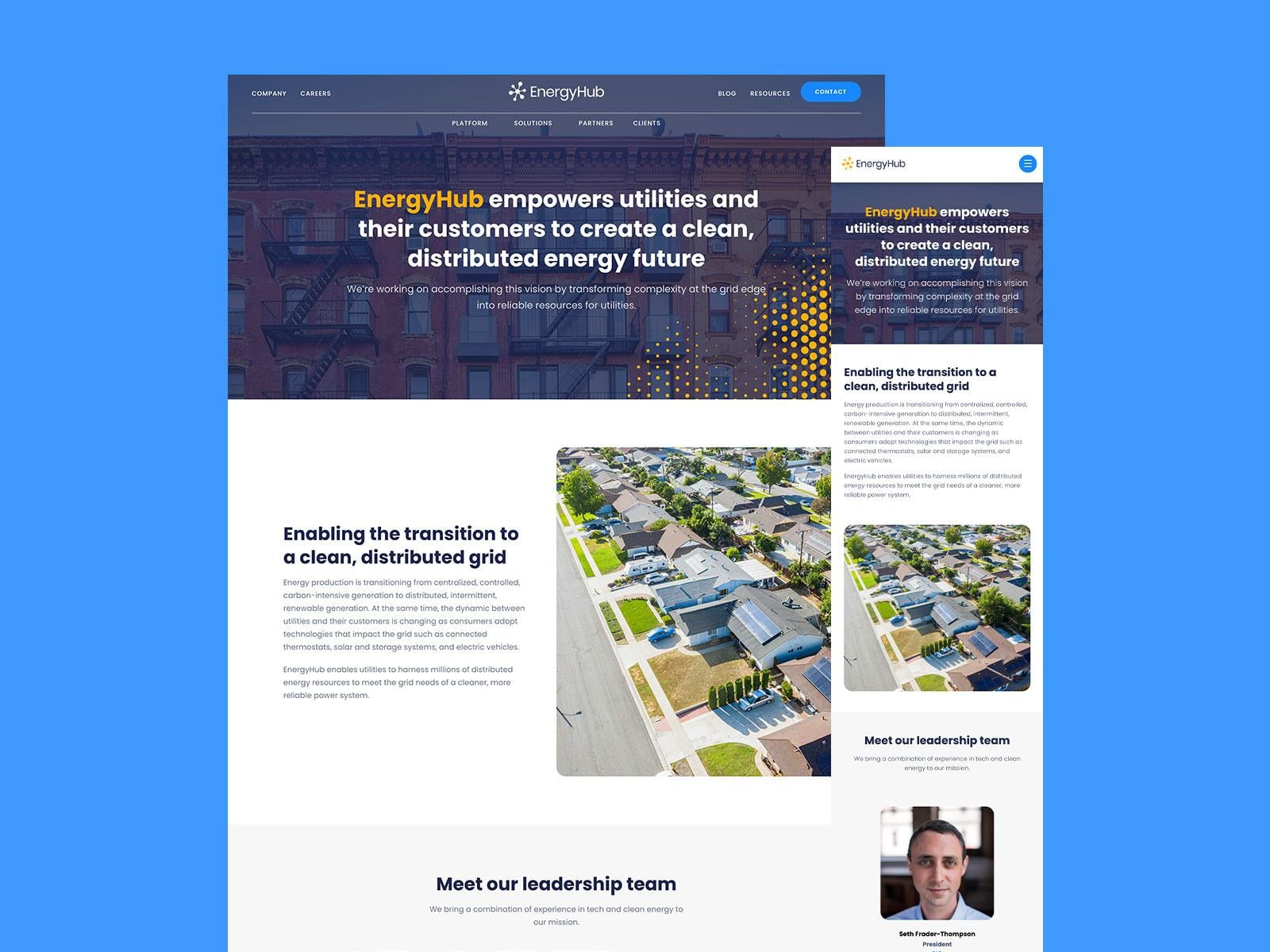
EnergyHub provides the software infrastructure necessary to aggregate thousands of consumer-owned devices into a single, controllable resource. By turning thermostats, batteries, and electric vehicles into a Virtual Power Plant (VPP), the platform allows utilities to manage grid load more effectively. This approach helps reduce the need for peaker plants and supports a cleaner, more reliable power system.
What Is EnergyHub?
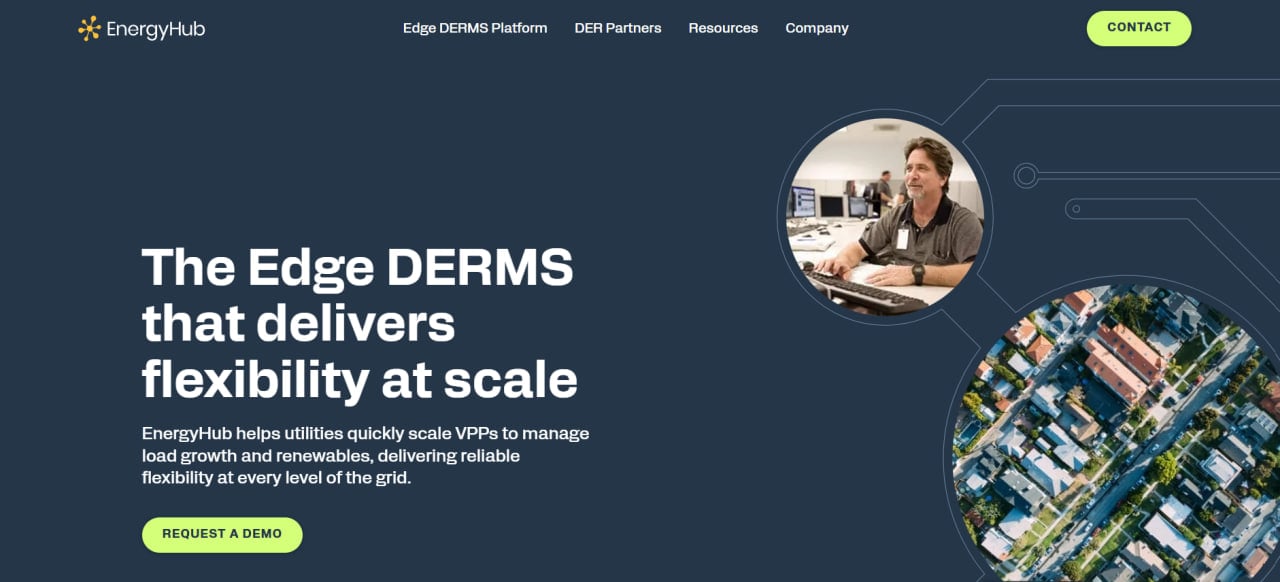
EnergyHub is a Distributed Energy Resource Management System (DERMS) and Virtual Power Plant (VPP) platform. It falls into the enterprise software category for the energy and utility sector. The platform is designed specifically for utilities and grid operators that need to manage distributed energy resources (DERs) at scale.
The platform works by connecting to a vast ecosystem of third-party hardware installed at customer sites. Through these connections, utilities can monitor real-time data and send dispatch signals to adjust energy consumption or discharge stored power. Use cases include peak demand reduction, emergency load shedding, and wholesale market participation. As of 2025, EnergyHub works with more than 150 North American utility clients and manages more than 2.5 million devices, representing over 3.4 GW of dispatchable capacity.
Features
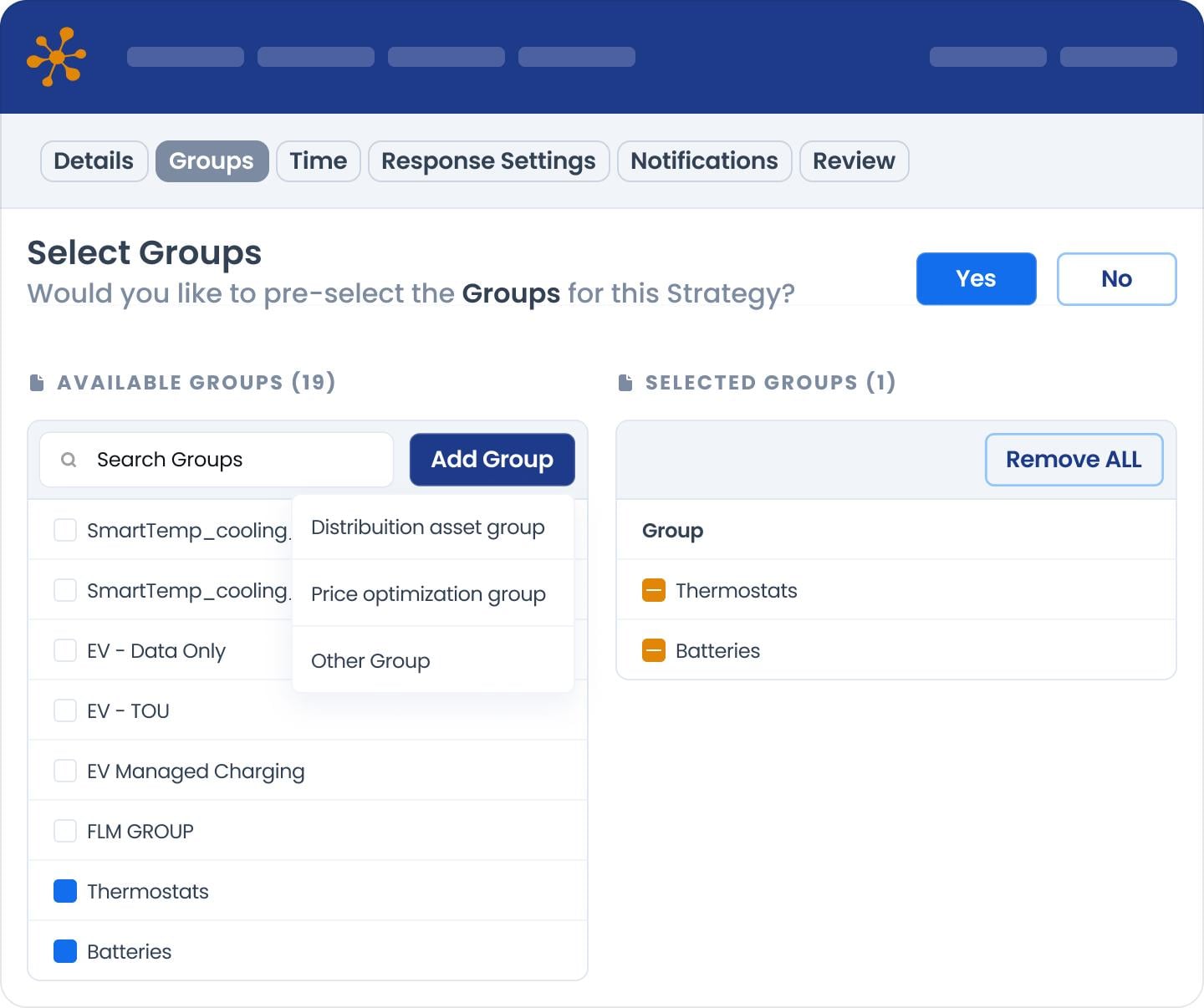
- Virtual Power Plant (VPP) Management: Aggregates diverse assets like smart thermostats, EV chargers, and solar batteries into a single resource that utilities can dispatch to meet grid needs.
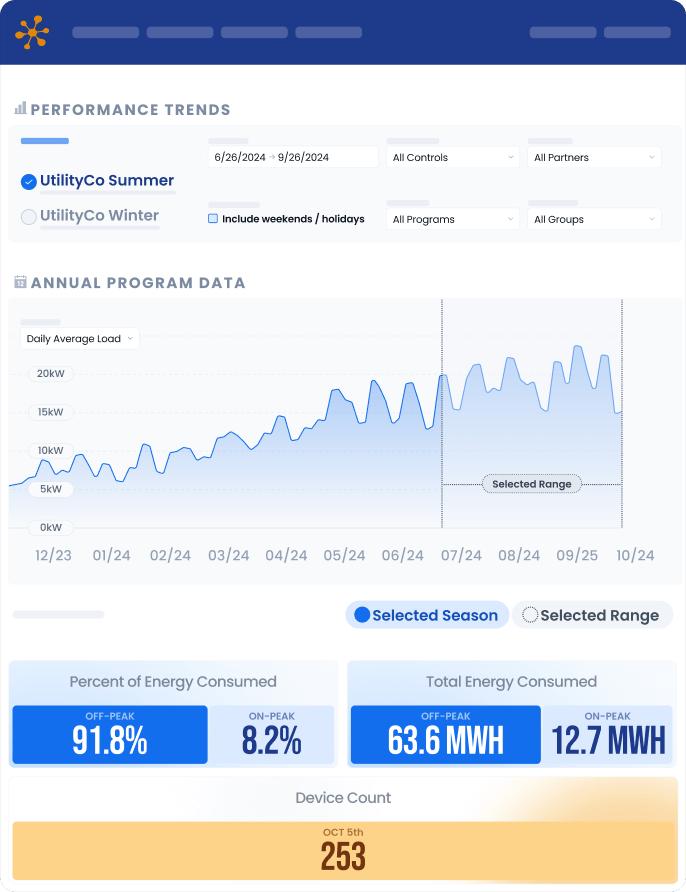
- Mercury DERMS Platform: A centralized software interface that provides utilities with visibility into device telemetry, allowing for granular control over distributed resources.
- Predictive Forecasting: Uses machine learning and historical data to estimate how much load reduction a VPP can deliver on a specific day, helping grid operators make informed decisions.
- Managed EV Charging: Coordinates the charging schedules of electric vehicles to prevent local grid overloading and shift demand to periods when renewable energy is most abundant.
- Customer Enrollment and Engagement Tools: Provides a suite of services to help utilities recruit customers into programs and manage their participation, ensuring high retention and reliability.
- Firm Load Dispatch: A reliability-focused feature that ensures dispatched events meet specific grid constraints and performance targets with high confidence.
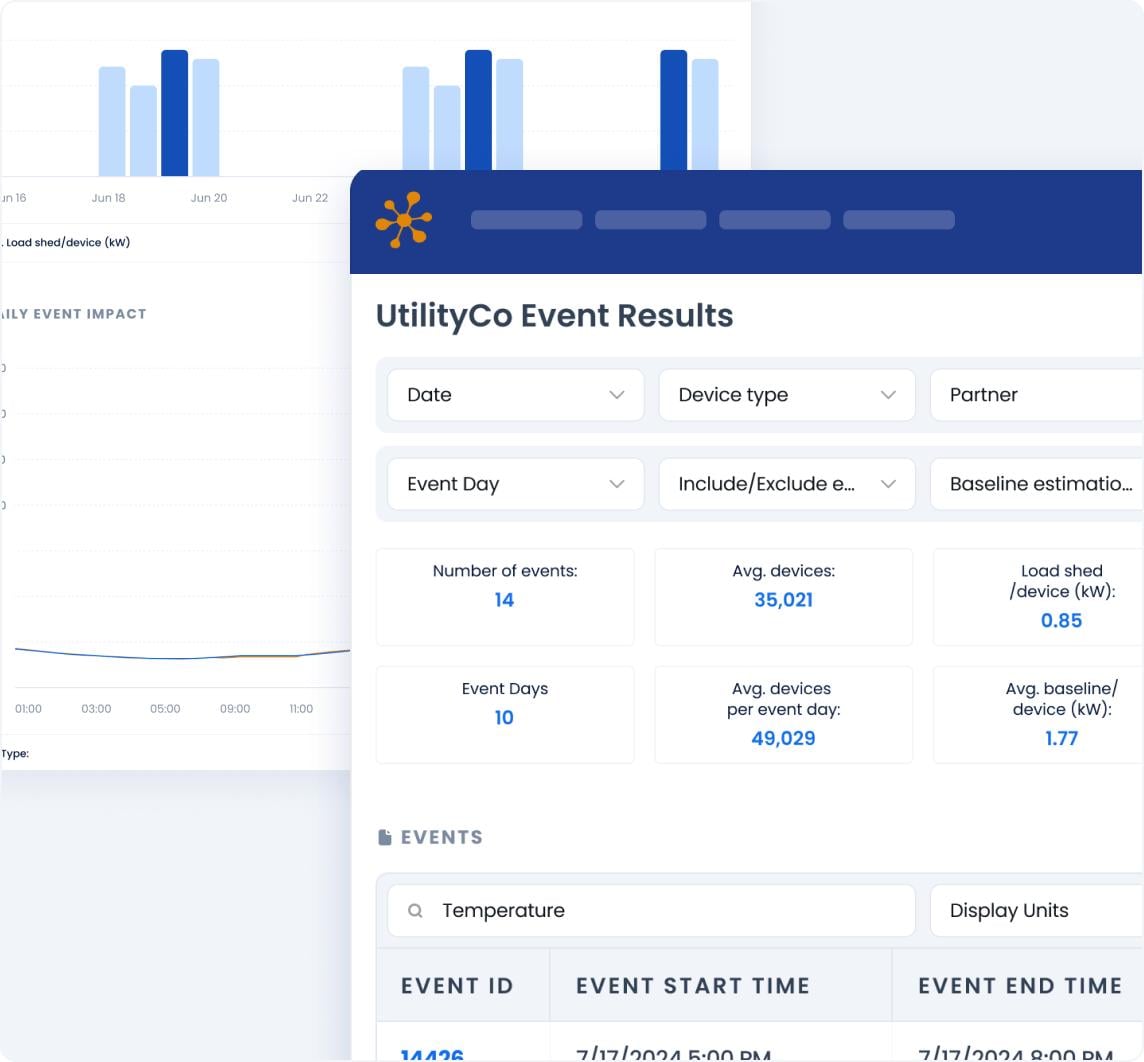
- Grid-Edge Analytics: Processes massive volumes of data from millions of devices to provide near-real-time insights into how the Virtual Power Plant is performing during a grid event.
Screenshots
EnergyHub Pricing
Pricing is not publicly listed. The company operates in the enterprise utility sector, where costs are typically determined by the scale of the program, the number of connected devices, and the specific managed services required.
Utilities are encouraged to contact EnergyHub directly for a custom quote or request a platform demo.
Integrations
EnergyHub maintains a large ecosystem of hardware partners to ensure broad device compatibility for utilities.
Thermostat Integrations
- Google Nest.
- Honeywell Home.
- Emerson Sensi.
- Ecobee.
EV and Charging Integrations
- Tesla.
- Rivian.
- ChargePoint.
- Enel X Way.
Solar and Battery Integrations
- Tesla Powerwall.
- SolarEdge.
- Enphase.
- SunPower.
Grid System Integrations
Supports integration with Advanced Distribution Management Systems (ADMS) and other utility IT infrastructure through APIs.
How to Set Up EnergyHub
- Consult with EnergyHub to define grid goals and the specific types of DERs to be managed.
- Integrate the EnergyHub Mercury platform with existing utility billing and ADMS systems through an API.
- Establish the device partner ecosystem by selecting which third-party hardware will be eligible for the program.
- Launch customer marketing and enrollment campaigns using EnergyHub’s engagement tools.
- Configure the platform’s forecasting and dispatch parameters based on historical grid data.
- Begin calling demand response events and monitoring VPP performance in real time.
How to Use EnergyHub
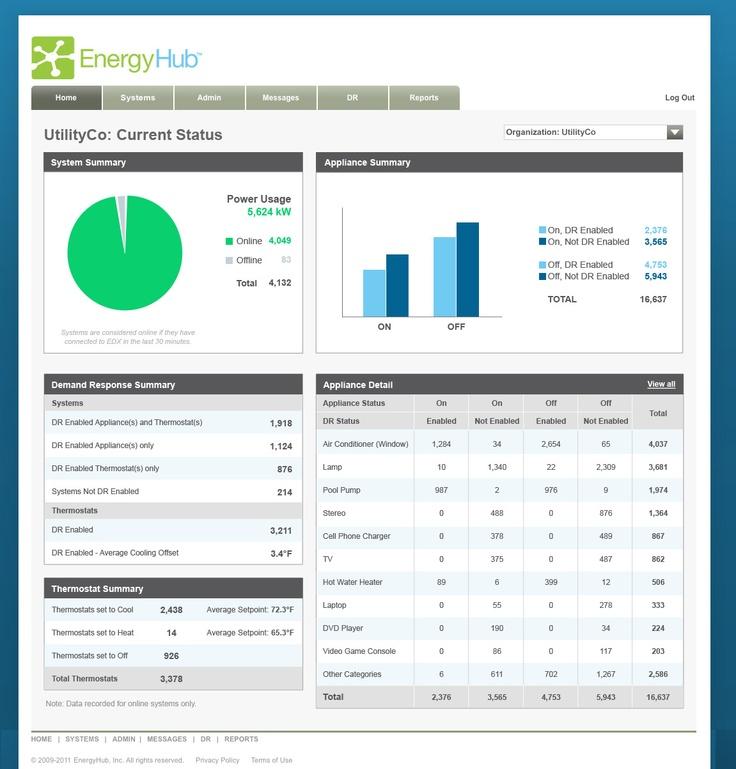
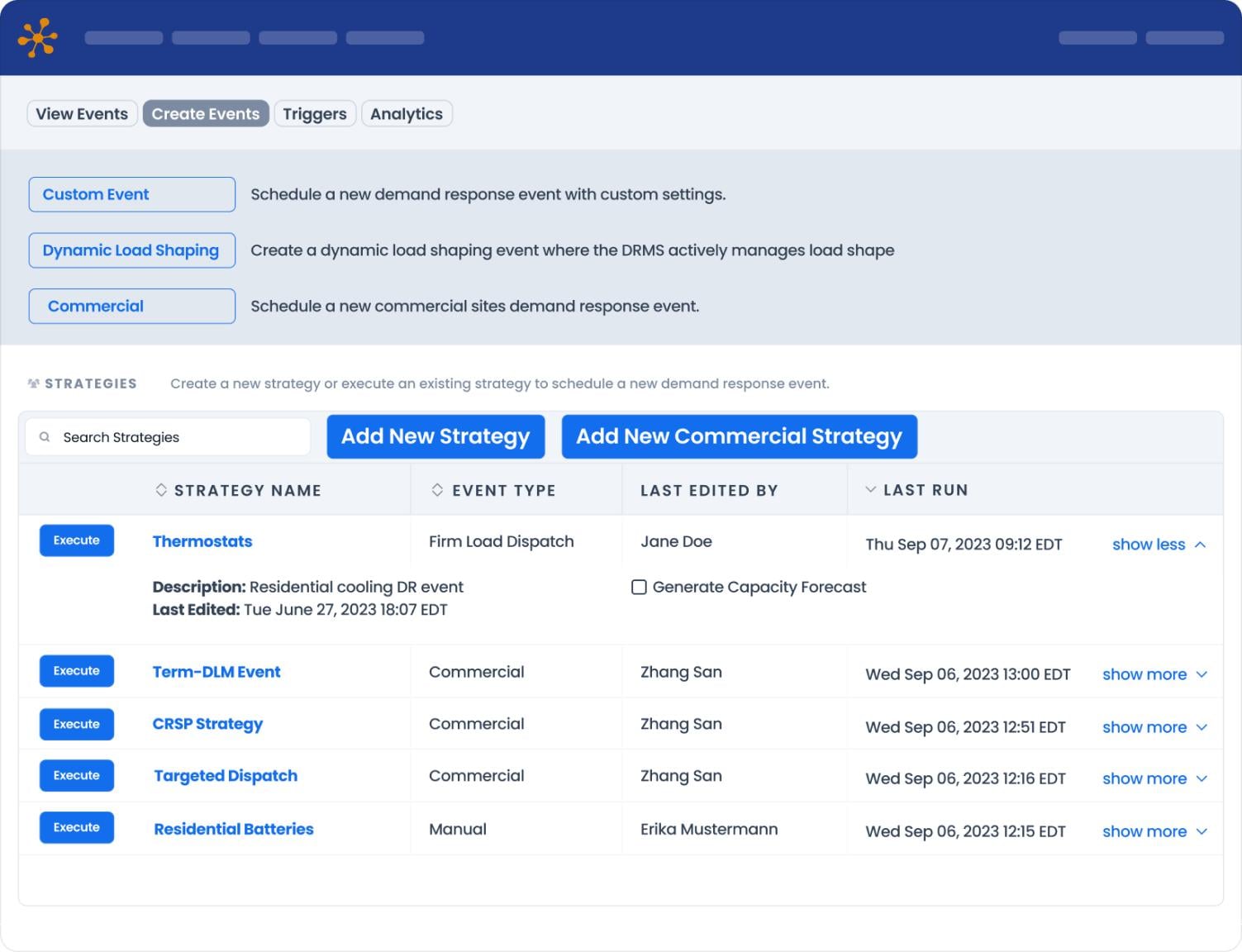
A utility operator typically uses the EnergyHub dashboard to monitor the status of their DER portfolio. On a day with high forecasted temperatures, the operator reviews the VPP capacity forecast to see how much load can be reduced during peak hours. They then schedule a demand response event through the platform.
During the event, the software automatically sends signals to millions of thermostats and EV chargers to temporarily reduce power draw. The operator monitors live telemetry in the platform to see the actual load reduction in real time. After the event, the operator generates a performance report to evaluate the impact on the grid and calculate customer incentives.
What You Can Manage with EnergyHub
- Virtual Power Plants: Unified control over thousands of heterogeneous energy assets.
- Demand Response Events: Scheduled and emergency load reduction programs.
- EV Charging Profiles: Automated charging schedules that align with grid health.
- Customer Portfolios: Enrollment data, participation rates, and opt-out statistics.
- Grid Reliability Reports: Detailed analytics on the impact of DER dispatches.
- Capacity Forecasts: Data-driven estimates of available flexible load for future periods.
FAQs
What does EnergyHub do?
EnergyHub provides a software platform that connects utilities to customer-owned devices like smart thermostats and electric vehicles. It aggregates these devices into Virtual Power Plants that help balance the electrical grid.
Who is EnergyHub best for?
The platform is designed for large-scale utility companies and grid operators. It is used by organizations that need to manage high volumes of distributed energy resources to maintain grid reliability.
Is EnergyHub free?
No, EnergyHub is an enterprise-grade Software-as-a-Service (SaaS) platform. It requires a paid contract and is not available for individual consumer use.
How much does EnergyHub cost?
The company does not publish standard pricing. Costs are customized based on the number of devices managed and the level of service required by the utility.
What are the main limitations of EnergyHub?
The platform’s effectiveness depends on the level of consumer participation and the reliability of third-party hardware and internet connections. It is also an enterprise-level tool with a complex setup process.
What are the best alternatives to EnergyHub?
Common competitors in the DERMS and VPP space include AutoGrid, owned by Schneider Electric, Generac Grid Services, and Voltus.