PXiSE Energy Solutions

Pros
- High-speed control capabilities provide precise and responsive grid stabilization.
- Scalable architecture is suitable for both localized microgrids and large utility networks.
- Hardware-agnostic software supports equipment from multiple manufacturers.
- Strong focus on maximizing renewable energy production and financial returns.
- Backed by the global engineering expertise and support of the Yokogawa Group.
- Uses advanced algorithms and machine learning for predictive grid management.
Cons
- Complex implementation process requires specialized engineering expertise.
- Pricing is not publicly disclosed, making initial budget estimation difficult.
- Primarily focused on enterprise and utility-scale users rather than small businesses.
- Requires high-speed sensor infrastructure to deliver its full performance benefits.
As the global energy landscape transitions toward decentralized renewable sources, grid operators face increasing complexity in maintaining stability and efficiency. Managing a mix of solar, wind, and battery storage requires rapid, precise coordination to ensure power quality and reliability. Traditional control systems often struggle to keep pace with the high-speed fluctuations inherent in renewable generation.
PXiSE Energy Solutions addresses these challenges by providing a software-based grid control platform designed for the modern energy market. By using high-speed data and advanced algorithms, the platform enables utilities, campus managers, and independent power producers to optimize their energy portfolios. Whether managing a single microgrid or a large-scale virtual power plant, the technology provides the tools needed to balance supply and demand in real time.
What Is PXiSE Energy Solutions?
PXiSE Energy Solutions is a developer of high-speed grid control software designed to manage the complexities of distributed energy resources (DERs). Categorized primarily within the Virtual Power Plant and Microgrid Control sectors, the company focuses on maximizing renewable energy production while maintaining system balance and power quality.
As a member of the Yokogawa Group, PXiSE serves a diverse user base that includes utilities, commercial and industrial campuses, and large-scale renewable energy developers.
The platform aggregates data from high-speed sensors—sometimes taking measurements up to 60 times per second—and uses advanced algorithms to make real-time adjustments to energy flows. This high-speed capability allows the software to respond to voltage and frequency changes that slower control systems might miss.
Features
- Microgrid Controller: Helps utilities and communities coordinate localized energy resources and loads to balance power and maintain resilience during grid outages.
- Distributed Energy Resource Management System: Enables grid operators to monitor and control behind-the-meter and front-of-the-meter assets, including electric vehicles, residential solar systems, and batteries.
- Renewable Power Plant Controller: Optimizes utility-scale renewable portfolios by unifying assets such as solar and wind systems under one control interface.
- High-speed frequency and voltage control: Uses advanced sensors to respond to grid fluctuations in milliseconds, helping maintain stability in grids with high renewable energy penetration.
- Economic optimization: Analyzes market conditions and resource availability to dispatch energy in a way that maximizes financial returns for asset owners.
- IEEE 2030.5 protocol support: Includes a preconfigured server that simplifies the implementation of standard communication protocols for smart energy devices.
- Advanced data management: Integrates with the AVEVA PI System to provide a scalable foundation for collecting and analyzing large volumes of grid data.
Screenshots
PXiSE Energy Solutions Pricing
Pricing is not publicly listed. The vendor prices each PXiSE Energy Solutions deployment individually, once the scope is clear.
Because the software is specialized and tailored to specific grid configurations and asset sizes, pricing generally depends on the scale of the deployment, implementation requirements, and selected modules, such as the Microgrid Controller or full DERMS platform.
Integrations
PXiSE Energy Solutions is designed to operate between physical energy hardware and high-level management systems. Its integration capabilities include:
- Hardware integrations: Connects with a wide range of inverters, battery storage systems, communication gateways, and phasor measurement units (PMUs).
- Data platforms: Provides deep integration with the AVEVA PI System for operational data storage, management, and analysis.
- Standard protocols: Supports industrial communication standards including IEEE 2030.5, Modbus, and common SCADA protocols.
- Enterprise software: Can integrate with utility-grade asset management, billing, and operational management systems.
How to Set Up PXiSE Energy Solutions
- Contact PXiSE to schedule a technical consultation and site assessment.
- Define the project scope and identify the DERs and grid components that need to be managed.
- Work with PXiSE engineers to design the control architecture and determine sensor placement.
- Install the required high-speed hardware, sensors, and communication gateways.
- Deploy the appropriate PXiSE software modules and integrate them with systems such as the AVEVA PI System.
- Conduct system testing and commissioning to verify real-time control accuracy.
How to Use PXiSE Energy Solutions
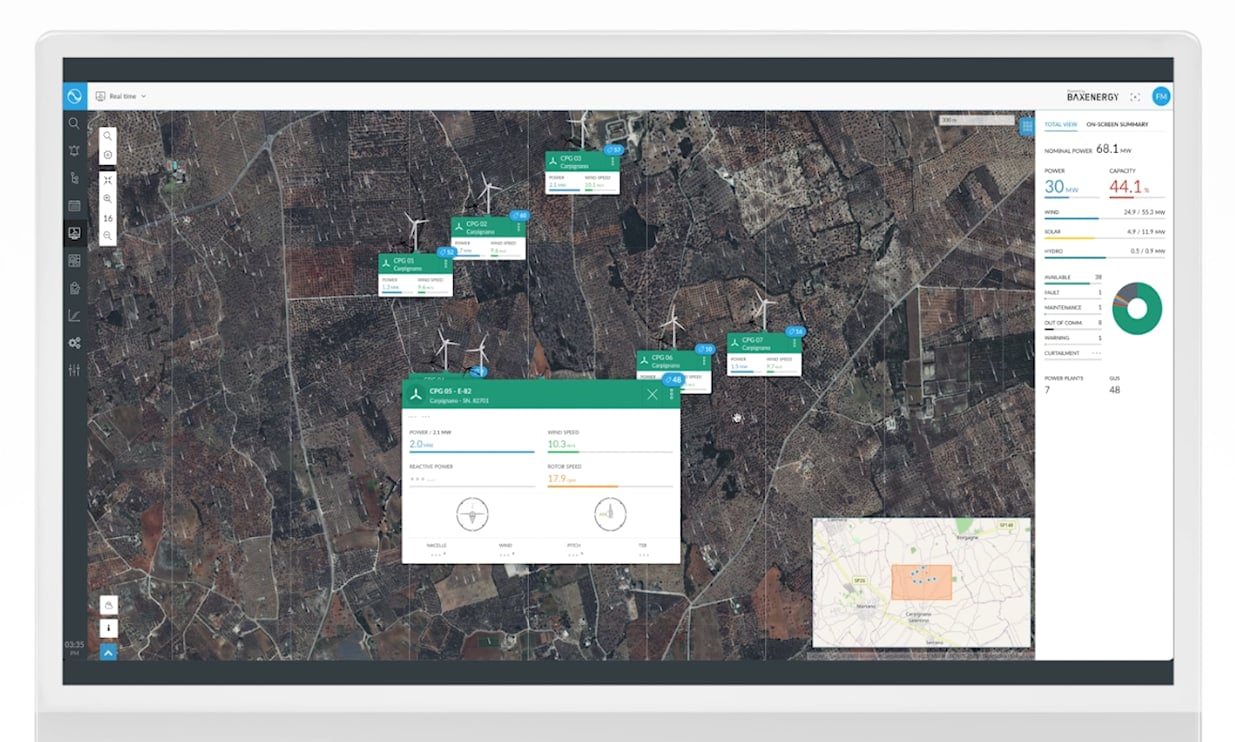
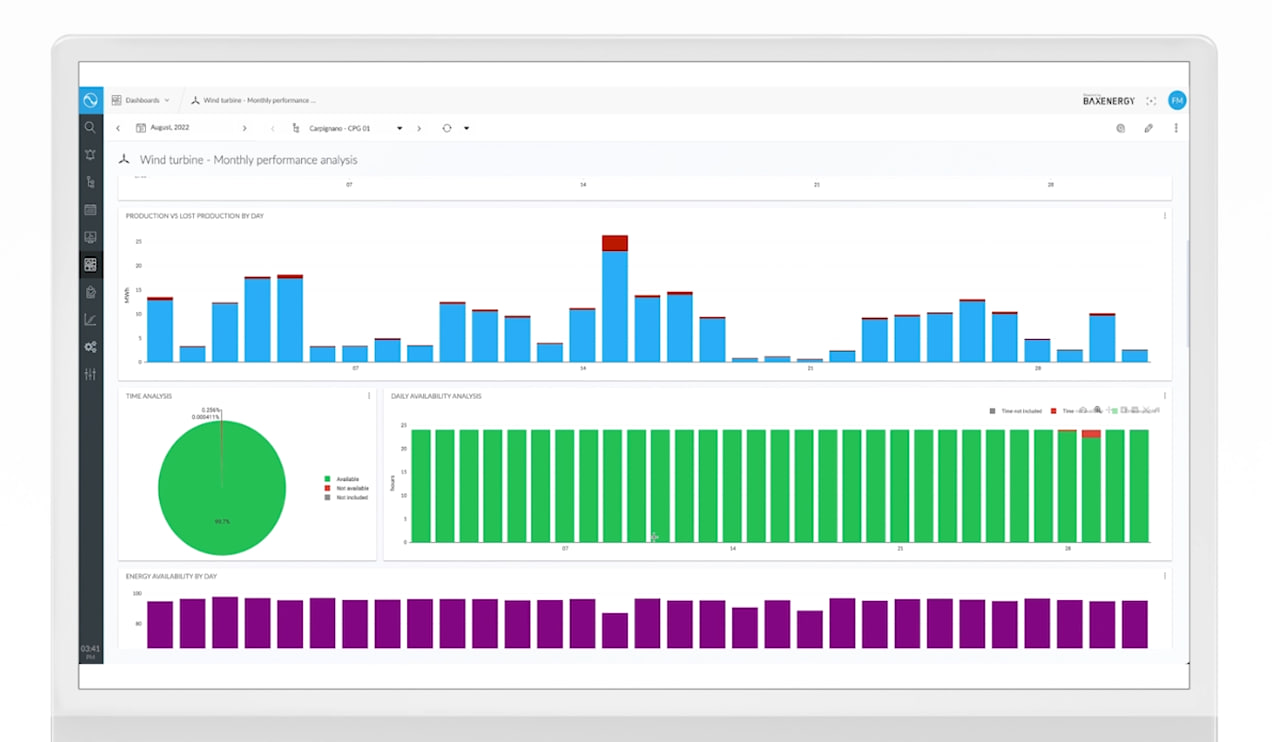
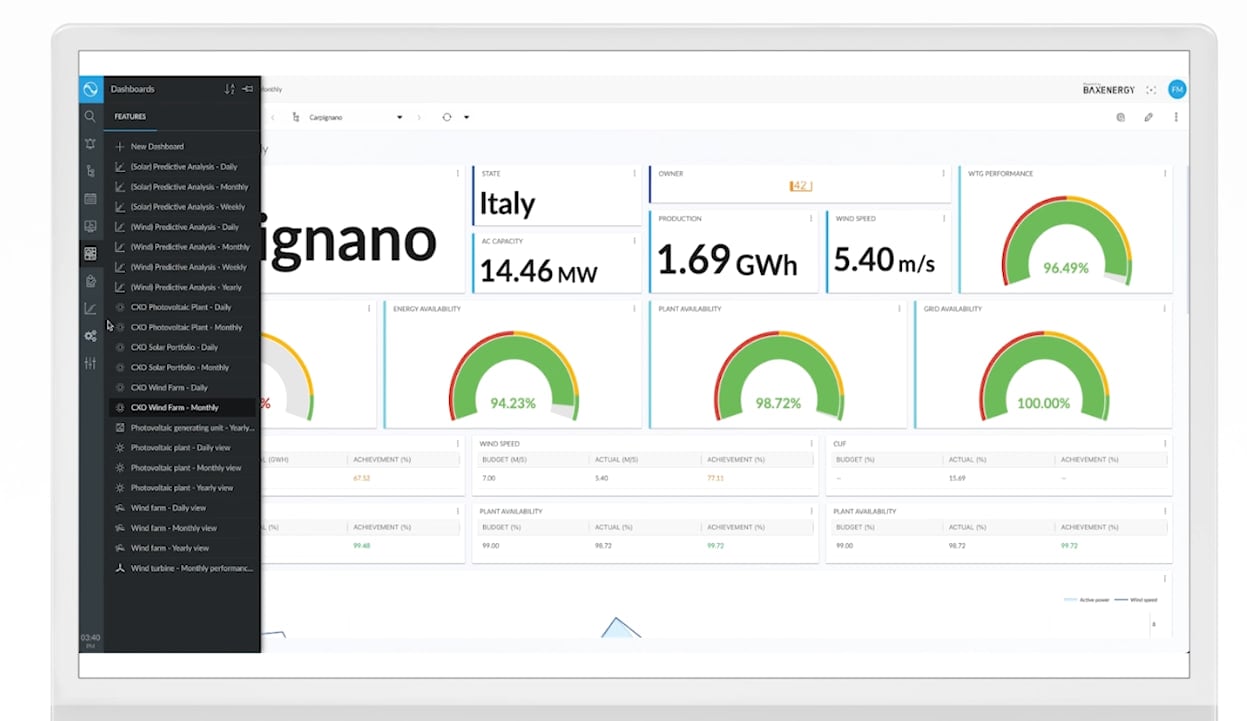
The daily workflow involves grid operators monitoring a centralized dashboard that displays real-time power flows and asset performance. Users can view live data for frequency, voltage, energy generation, and demand.
The automated control engine handles most millisecond-to-millisecond adjustments, but operators can manually override setpoints or schedule maintenance windows for individual assets when necessary.
Energy managers use the platform’s economic optimization tools to determine when batteries should store energy and when electricity should be sold back to the market based on pricing signals. The software also generates performance reports and alerts operators to equipment abnormalities or grid constraints, supporting proactive asset management.
What You Can Manage with PXiSE Energy Solutions
- Virtual power plants: Coordinate geographically distributed energy resources so they can operate as a unified and reliable power source.
- Microgrid operations: Manage islanding, grid disconnection, and reconnection sequences for localized power systems.
- Renewable asset portfolios: Monitor the health, availability, and output of solar and wind installations.
- Grid stability metrics: Monitor and maintain voltage, frequency, and other power quality indicators.
- Battery energy storage systems: Optimize battery charging and discharging cycles for system longevity and financial returns.
- Demand response programs: Coordinate load shedding or shifting across a network of participating users and assets.
FAQs
What does PXiSE Energy Solutions do?
PXiSE develops high-speed software platforms that control the flow of electricity across modern grids. Its tools help integrate renewable energy by balancing supply and demand in real time with millisecond-level precision.
Who is PXiSE Energy Solutions best for?
The platform is designed for utilities, renewable energy developers, independent power producers, and operators of commercial or institutional campuses. It is particularly suitable for organizations managing complex portfolios of solar, wind, and battery storage assets.
Is PXiSE Energy Solutions free?
No. PXiSE is an enterprise-grade software solution that requires a paid license and professional implementation. There is no publicly available free version.
How much does PXiSE Energy Solutions cost?
The company does not publish standard pricing. Costs are determined on a project-by-project basis, and interested organizations must contact the PXiSE sales team for a custom proposal.
What are the main limitations of PXiSE Energy Solutions?
The primary limitation is its implementation complexity because the platform requires specialized engineering and high-speed data infrastructure. It is also an enterprise-focused solution that may be too advanced and expensive for simple, small-scale applications.
What are the best alternatives to PXiSE Energy Solutions?
Common alternatives in the grid control and DERMS market include Siemens Spectrum Power, GE Digital DERMS, Schneider Electric EcoStruxure, and specialized virtual power plant platforms from providers such as Enbala and AutoGrid.