Enurgen DUET
Pros
- Physics-based 3D models can provide a narrow error range of approximately 1% for high-confidence forecasting.
- May increase operational energy yields by 2% to 5% through predictive diagnostics.
- Provides cell-to-system scalability from individual cell strings to gigawatt-scale assets.
- Built-in terrain and shading analysis reduces dependence on separate geographic modeling software.
- Validated across more than 130 international solar projects and over 2 GW of capacity.
- Helps reduce development risk and produce bankable reports for institutional investors.
Cons
- Public pricing and standard subscription tiers are unavailable.
- The physics-driven interface may present a steep learning curve for new users.
- Designed primarily for utility-scale projects rather than residential solar installations.
- Public documentation about third-party integrations and API extensions is limited.
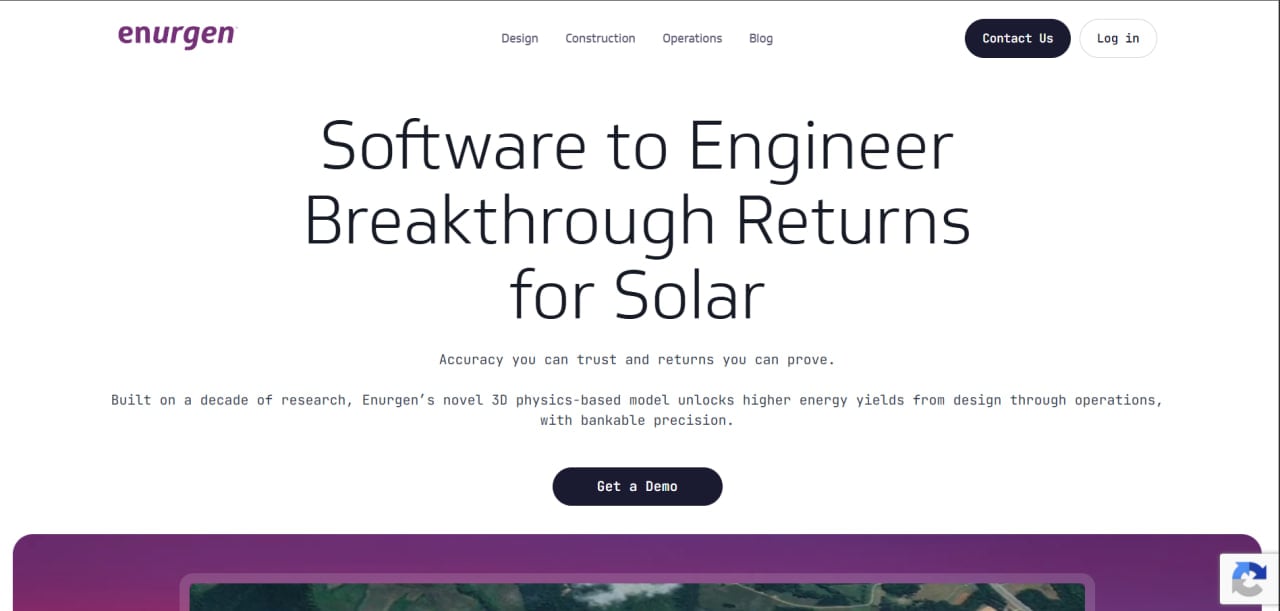
Juggling unpredictable environmental factors and complex terrain often leads to accuracy issues in solar project modeling. Enurgen DUET addresses these challenges by providing engineering teams and independent power producers with a physics-based simulation engine. By creating a precise digital twin of a solar plant, the platform enables users to calculate accurate energy yield estimates, reduce underperformance risks, and protect asset value from initial layout design through long-term operations.
Choosing an enterprise-level simulation tool requires reliable data and proven field results. Many global energy companies consider Enurgen DUET because it can reduce standard modeling error ranges to approximately 1% and improve operations and maintenance yields. This review covers its core features, setup process, and deployment workflows.
What Is Enurgen DUET?
Enurgen DUET is an energy yield modeling platform built specifically for utility-scale solar engineering, design validation, and operational monitoring. Developed as a commercial platform following more than a decade of photovoltaic research, the software is designed for PV engineers, independent power producers, developers, and asset managers responsible for large-scale solar arrays.
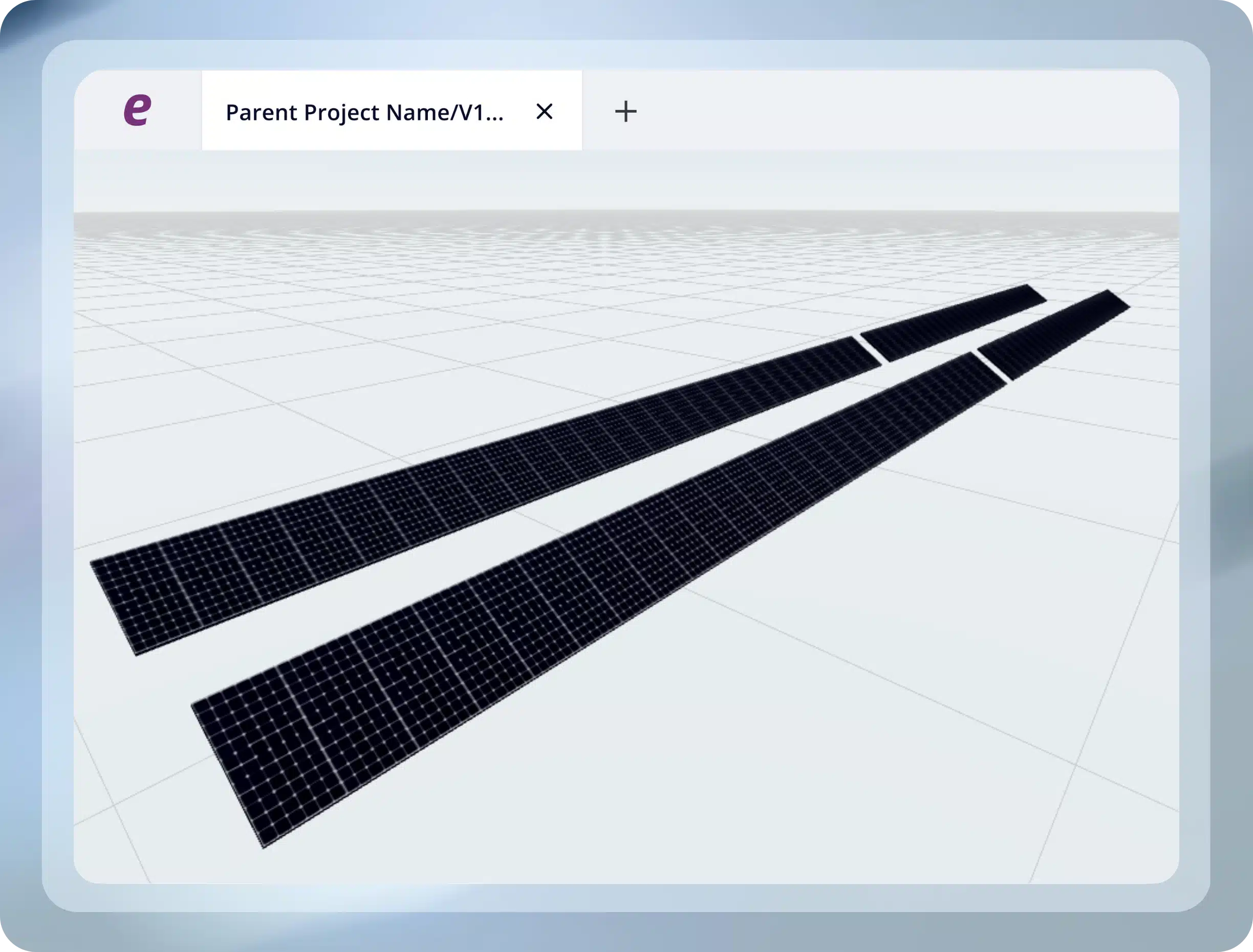
The software uses 3D finite element method modeling and cell-to-system mapping to simulate how a solar plant will perform under site-specific conditions. Instead of relying primarily on empirical assumptions, DUET tracks variables at a microscopic level and translates them into system-level energy yield data.
Enurgen’s simulation engine has been used across more than 130 solar projects worldwide, validating over 2 GW of installed solar capacity.
Features
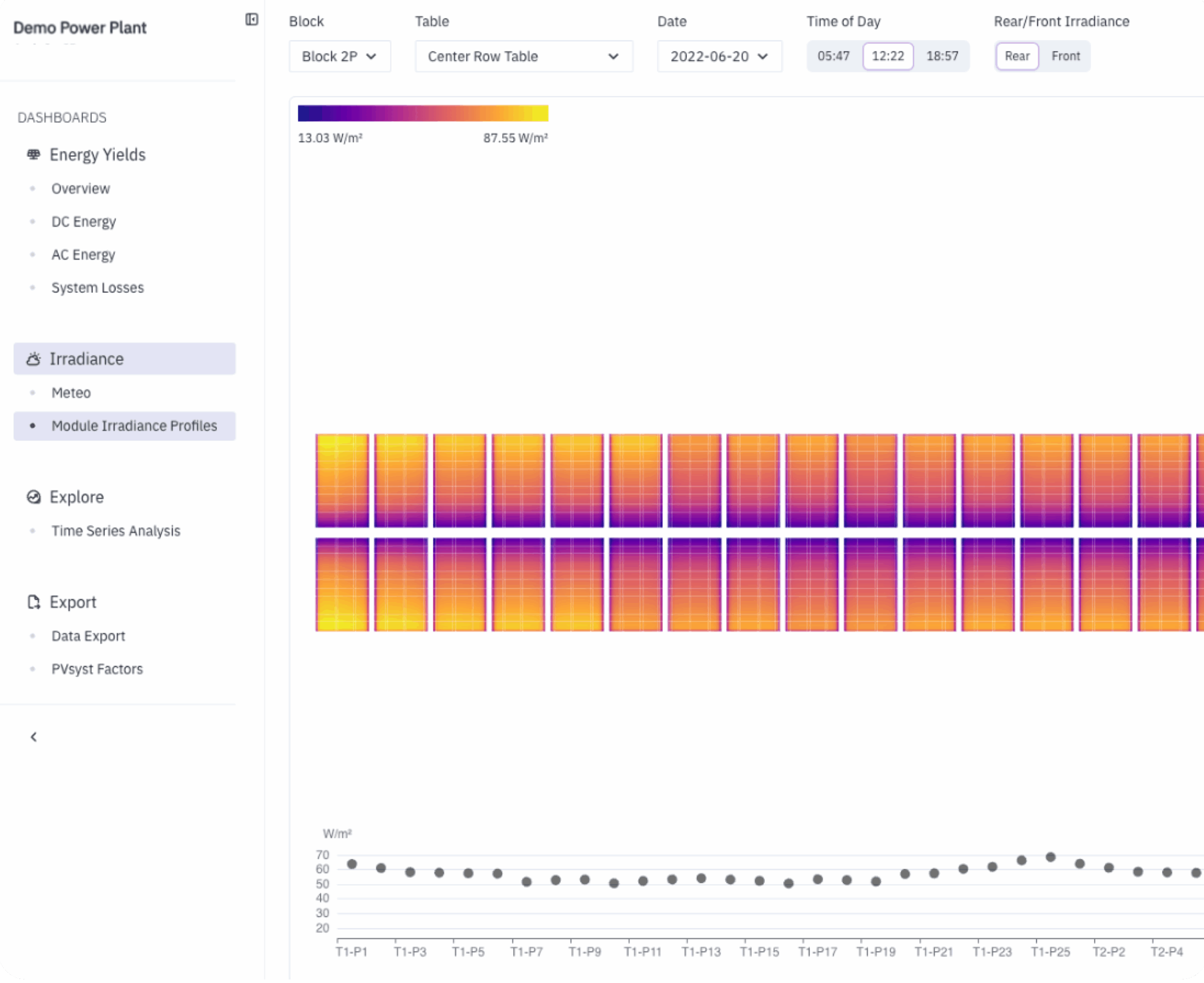
- 3D Physics-Based Simulations: Replaces generic empirical assumptions with high-fidelity irradiance modeling to evaluate performance across monofacial and bifacial modules.
- Cell-Level Irradiance Modeling: Produces cell-level current-voltage curve calculations at minute-level resolution to show how small variations affect large-scale solar installations.
- Sub-Hourly Energy Yield Analysis: Uses satellite and localized field data to track high-frequency environmental changes and identify potential inverter clipping losses.
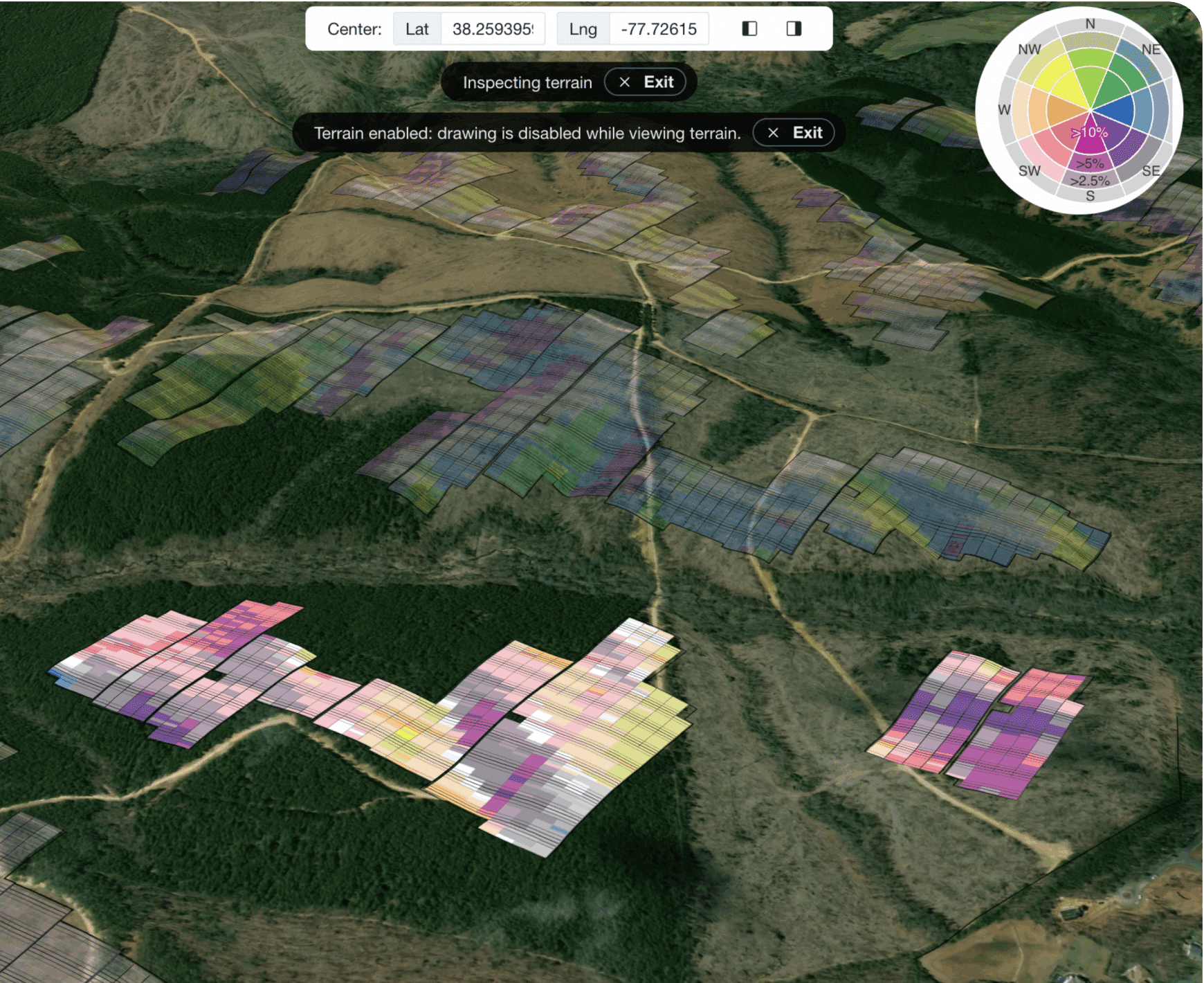
- Terrain-Inclusive Near Shading: Accounts for geographical contours, row spacing, neighboring structures, and other obstructions to predict shading losses on irregular terrain.
- Model-to-Field Assessment: Compares real-world operational data with the original digital twin to identify performance discrepancies and equipment problems.
- Pre-Construction Yield Calculation: Combines historical sunlight, weather, and terrain data to create bankable energy generation forecasts during early project development.
Screenshots
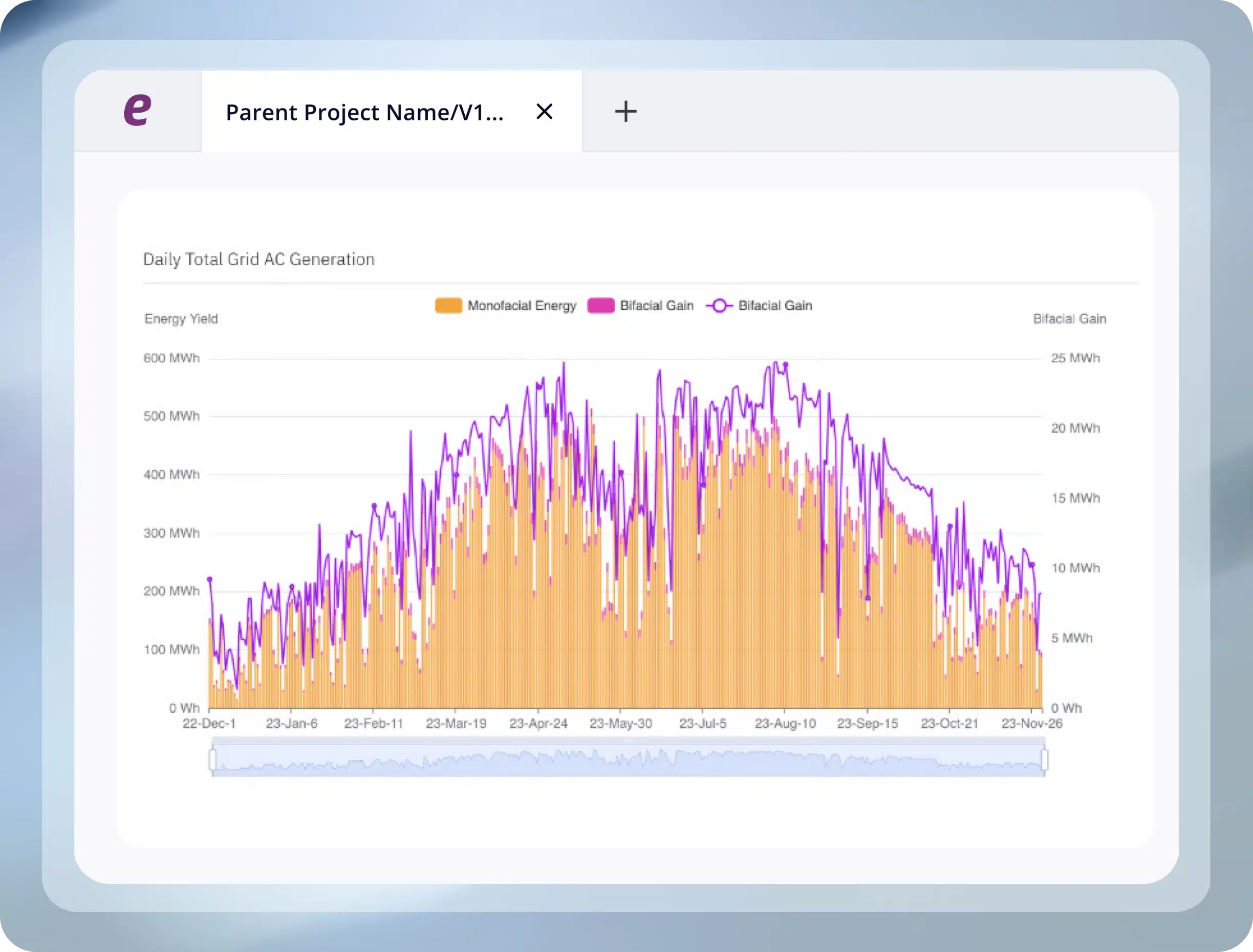
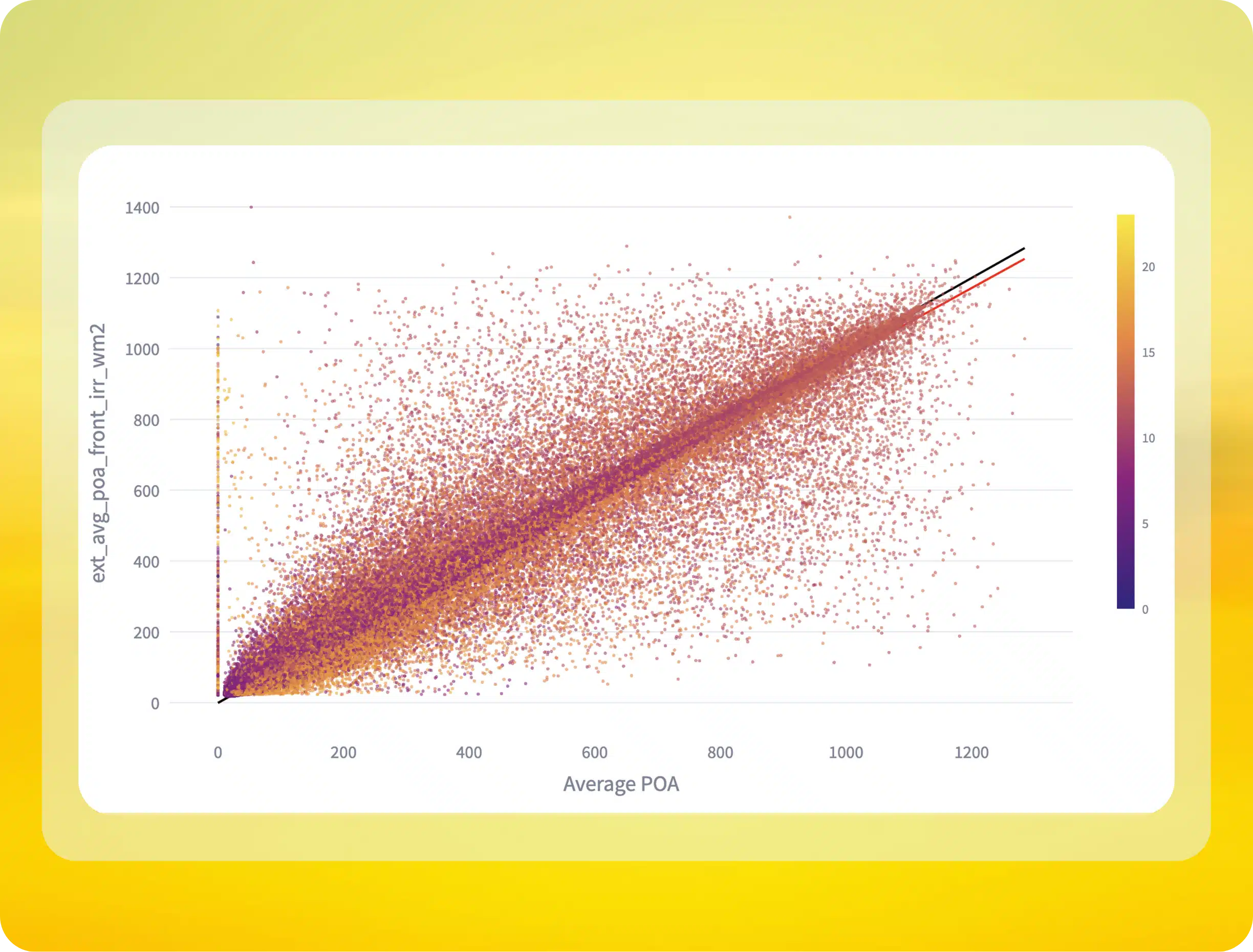
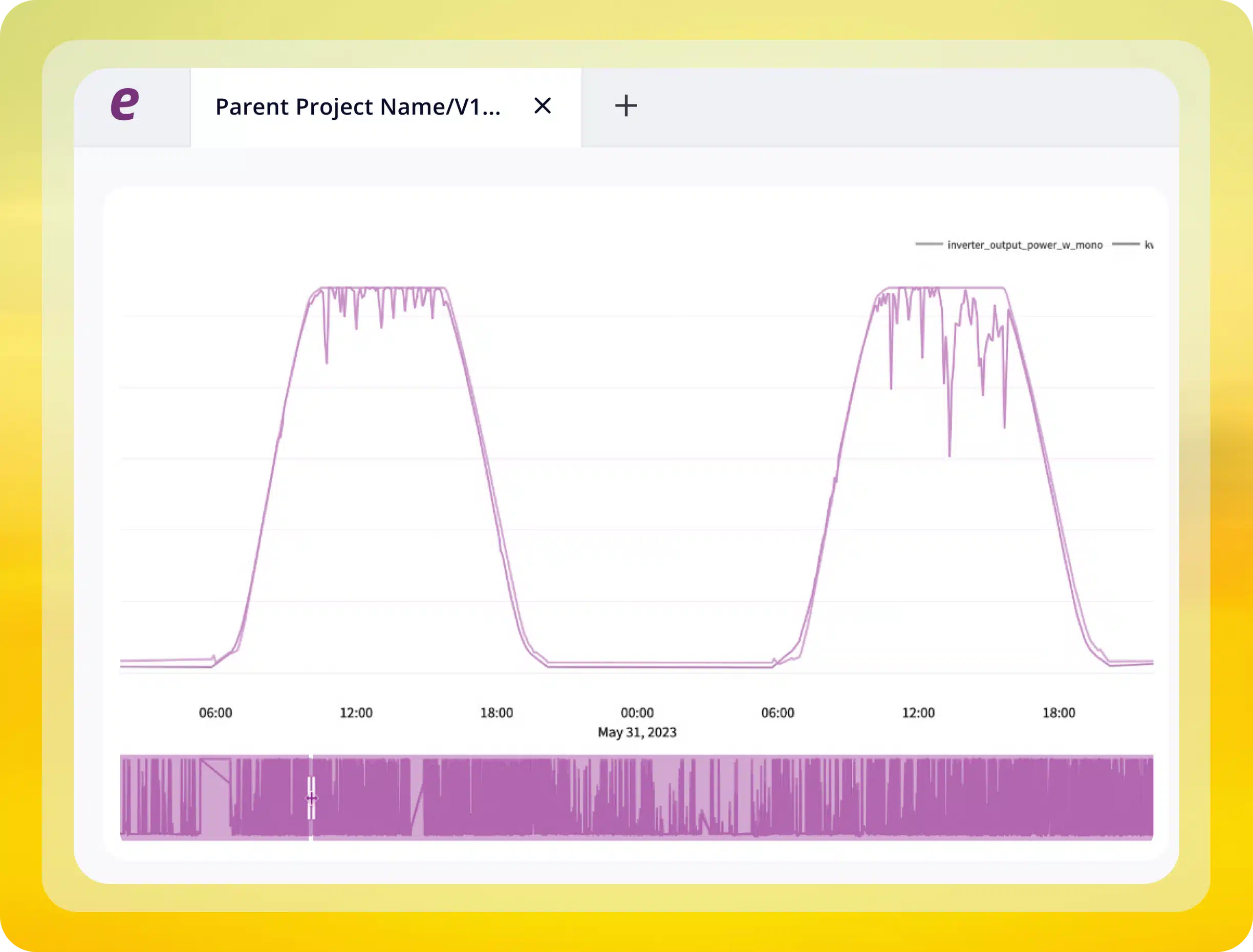
Enurgen DUET Pricing
Pricing is not publicly listed. The company asks interested organizations to contact its sales team or book a demonstration to receive a custom quote.
The final cost may depend on:
- The size and capacity of the solar portfolio.
- The number of projects and user accounts.
- The required simulation and operational monitoring modules.
- The complexity of terrain and system configurations.
- Enterprise onboarding, data processing, and technical support requirements.
Integrations
Public details about Enurgen DUET integrations are limited. Engineering teams should confirm available connections and supported data formats before selecting the platform.
Potential users should verify:
- Supported meteorological and satellite data sources.
- Compatibility with GIS and topographic file formats.
- Available SCADA and operational data connections.
- Supported layout and equipment data imports.
- API availability for automated enterprise workflows.
- Export formats for financial, engineering, and performance reports.
How to Set Up Enurgen DUET
- Visit the official Enurgen website and request a platform demonstration from the engineering team.
- Complete an initial technical consultation to define project scope, infrastructure, and simulation requirements.
- Set up enterprise cloud credentials and configure user access permissions.
- Define the initial project boundaries and load localized regional profiles.
- Upload site-specific meteorological, satellite, topographic, and GIS files.
How to Use Enurgen DUET
During the design phase, an engineer enters preliminary layout configurations and specifies whether the project uses monofacial or bifacial PV modules. The user then configures sub-hourly simulation parameters, allowing the engine to calculate shading impacts based on row spacing and terrain conditions.
The system generates high-frequency energy yield projections that developers can use for engineering validation, financial modeling, and investment reviews.
Once the solar plant becomes operational, asset managers upload real-time performance logs and site weather data to the platform. Enurgen DUET processes this information through the project’s digital twin and highlights differences between simulated targets and actual field production.
Operations teams can use these insights to identify underperforming equipment, inverter clipping, cleaning requirements, or other localized problems before they affect overall plant performance.
What You Can Manage with Enurgen DUET
- Energy Yield Projections: Create bankable reports showing expected monthly and annual energy production.
- System Digital Twins: Maintain cloud-hosted virtual models of solar plants that reflect physical equipment and site configurations.
- Cell-Level I-V Curves: Review granular electrical simulation data down to the individual cell-string level.
- Shading Loss Reports: Analyze the effects of terrain irregularities, row spacing, and nearby structures.
- Model-to-Field Diagnostics: Identify performance differences between actual generation and original design baselines.
FAQs
What does Enurgen DUET do?
Enurgen DUET is a deep-tech software platform that simulates and models energy yields for utility-scale solar installations. By creating a physics-based 3D digital twin, it provides detailed performance data from initial design through active field operations.
Who is Enurgen DUET best for?
The platform is designed for utility-scale solar engineers, independent power producers, asset managers, and project developers that require bankable validation data. It is particularly useful for projects on complex terrain or those using bifacial solar modules.
Is Enurgen DUET free?
No. Enurgen DUET does not provide a publicly available free tier or open-source version. Interested organizations must request an official demonstration and discuss customized licensing options with the company.
Does Enurgen DUET support integrations?
Enurgen DUET supports the use of meteorological, satellite, topographic, and operational field data. However, public details about specific third-party integrations and APIs are limited and should be confirmed directly with Enurgen.
What are the main limitations of Enurgen DUET?
The main limitations are its undisclosed pricing, highly technical learning curve, utility-scale focus, and limited public documentation concerning integrations. It may be unnecessarily complex for residential solar installers.
What are the best alternatives to Enurgen DUET?
Common alternatives include HelioScope, Aurora Solar, PVsyst, and PV*SOL. The best choice depends on project scale, required simulation accuracy, terrain complexity, and operational monitoring needs.