Hybrid Optimization and Performance Platform (HOPP)
Pros
- Completely free and open-source.
- Backed by NREL and U.S. Department of Energy research.
- Supports advanced hybrid renewable energy configurations.
- Highly flexible for custom workflows and automation.
- Excellent for techno-economic optimization studies.
- Regularly updated with new renewable energy capabilities.
- Supports wind, solar, storage, and emerging technologies.
Cons
- Requires Python programming knowledge.
- No graphical drag-and-drop user interface.
- Technical documentation can be difficult for beginners.
- Large simulations require strong computing resources.
- Manual configuration is more time-consuming than commercial SaaS tools.
The transition to renewable energy increasingly depends on hybrid power plants that combine multiple technologies behind a single grid connection. While these projects improve grid flexibility and revenue potential, they are also much more difficult to design. Engineers must balance variable wind and solar generation with battery storage while optimizing plant layouts to reduce losses such as turbine wake effects and solar shading.
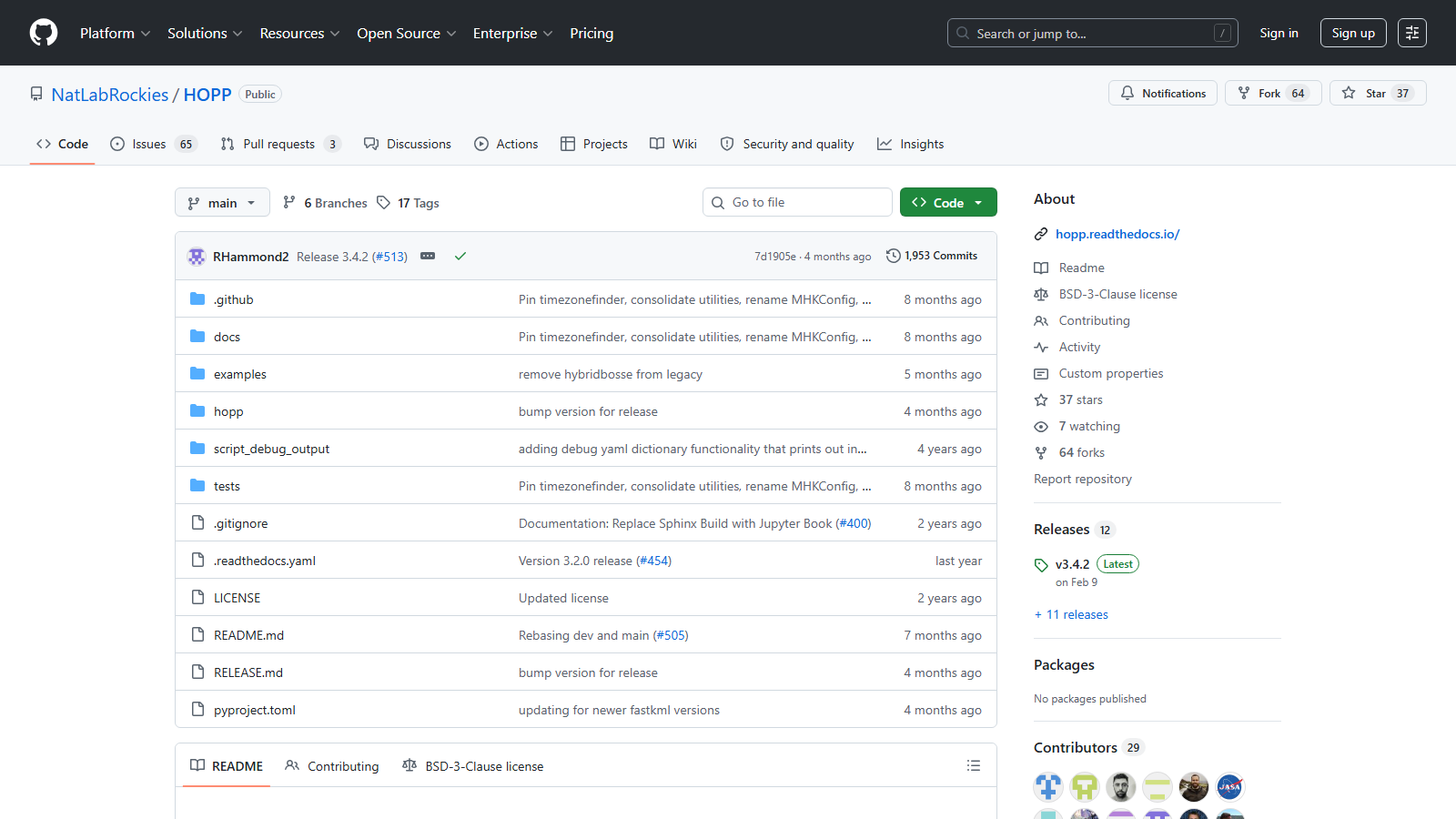
The National Renewable Energy Laboratory (NREL) developed the Hybrid Optimization and Performance Platform (HOPP) to solve these challenges. The platform provides an advanced open-source framework for simulating, optimizing, and evaluating hybrid renewable energy systems from both technical and financial perspectives.
What Is the Hybrid Optimization and Performance Platform (HOPP)?
The Hybrid Optimization and Performance Platform (HOPP) is an open-source renewable energy modeling and optimization tool created by NREL for analyzing large-scale hybrid power plants.
The platform combines wind, solar PV, battery storage, and other renewable technologies into one simulation environment where users can evaluate plant performance, dispatch strategies, and project economics using high-resolution resource and financial data.
Features
- Component-Level Optimization: Optimize turbine layouts, solar array sizing, and battery capacity.
- Multi-Technology Integration: Model wind, solar PV, CSP, storage, hydrogen, and geothermal systems together.
- Detailed Financial Modeling: Calculate NPV, CapEx, OpEx, and Levelized Cost of Energy (LCOE).
- Layout and Performance Analysis: Account for shading, wake losses, and physical site constraints.
- Advanced Dispatch Strategies: Simulate battery dispatch based on electricity market conditions.
- Resource Characterization: Pull weather and irradiance data from NREL databases.
- Open-Source Python Framework: Extend and customize workflows using Python scripting.
Screenshots


Hybrid Optimization and Performance Platform (HOPP) Pricing
HOPP is a completely free and open-source platform funded by the U.S. Department of Energy and NREL.
- Free Download: All platform features are available without licensing fees.
- Open-Source License: Commercial and research use are both permitted.
- No Paid Tiers: There are no subscription plans or premium modules.
- Infrastructure Costs: Users may still need computing resources for large simulations.
Integrations
HOPP integrates closely with NREL tools, APIs, and Python development environments.
- System Advisor Model (SAM): Solar and battery performance modeling integration.
- WISDEM: Wind engineering and turbine modeling support.
- NREL Resource APIs: Access weather and irradiance databases automatically.
- Hydrogen Modeling: Compatibility with H2A and related hydrogen analysis tools.
- Python Ecosystem: Works within Jupyter Notebooks and data science environments.
How to Set Up Hybrid Optimization and Performance Platform (HOPP)
- Install Python 3.8 or newer.
- Download or clone the HOPP repository from GitHub.
- Install dependencies using pip or environment configuration tools.
- Request API keys from the NREL Developer Network.
- Review sample scripts and example projects.
- Run a test simulation to verify the environment setup.
How to Use Hybrid Optimization and Performance Platform (HOPP)
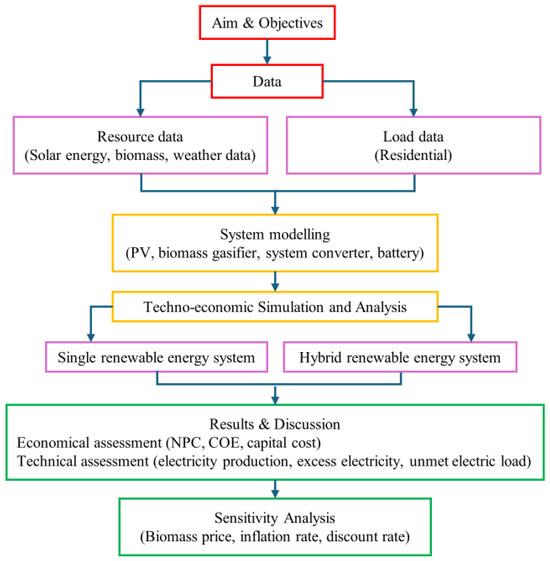
Users typically begin by defining a project site and importing weather, solar irradiation, and wind resource data. They then configure technologies such as wind turbines, PV arrays, and battery systems while entering project financial assumptions.
Once configured, HOPP runs optimization simulations to evaluate plant layouts, dispatch strategies, and energy production. Engineers and researchers then analyze outputs such as hourly generation, storage dispatch, financial metrics, and system losses.
What You Can Manage with Hybrid Optimization and Performance Platform (HOPP)
- Hybrid Power Plant Layouts: Design wind, solar, and storage combinations.
- Techno-Economic Analysis: Evaluate NPV, ROI, and LCOE.
- Performance Simulations: Analyze hourly generation and dispatch behavior.
- Energy Loss Analysis: Quantify shading, wake, and electrical losses.
- Battery Dispatch: Optimize storage operation for revenue and grid stability.
- Sizing Scenarios: Compare technology mix alternatives and capacity ratios.
FAQs
What does Hybrid Optimization and Performance Platform (HOPP) do?
HOPP simulates and optimizes hybrid renewable energy plants by combining wind, solar, storage, and financial modeling into one engineering framework.
Who is HOPP best for?
It is designed for renewable energy engineers, researchers, developers, and EPC teams requiring advanced technical and financial analysis capabilities.
Is HOPP free?
Yes, HOPP is a completely free open-source platform developed by NREL and the U.S. Department of Energy.
What are the main limitations of HOPP?
Main limitations include the lack of a graphical interface, the need for Python programming skills, and high computational requirements for complex simulations.
What are the best alternatives to HOPP?
Popular alternatives include RatedPower, PVcase, HOMER, and HyDesign for hybrid renewable energy system modeling.