Sollit
Pros
- Comprehensive all-in-one workflow that eliminates the need for separate CRM and design tools.
- Specifically built for the sustainable energy sector rather than being a general-purpose CRM.
- Accurate PV design capabilities using high-quality aerial imagery and automated shading analysis.
- Significant time savings in the quotation process, with claims of creating quotes four times faster.
- Scalable modular structure that grows with the company as it adds products like heat pumps or batteries.
- Strong focus on data security with ISO 27001 certification.
- User-friendly interface that simplifies complex technical data for sales presentations.
Cons
- Pricing is not publicly listed, making quick cost comparisons difficult for small businesses.
- The high number of modules and customization options may create a learning curve.
- The platform is primarily focused on the European market.
- Initial configuration may require dedicated time and employee training.
The rapid growth of the renewable energy market has created a significant administrative burden for installation companies. Managing leads, designing complex photovoltaic (PV) systems, and coordinating field technicians often involves a fragmented mix of spreadsheets and disconnected software tools. This inefficiency can lead to missed follow-ups, errors in technical designs, and slower installation timelines.
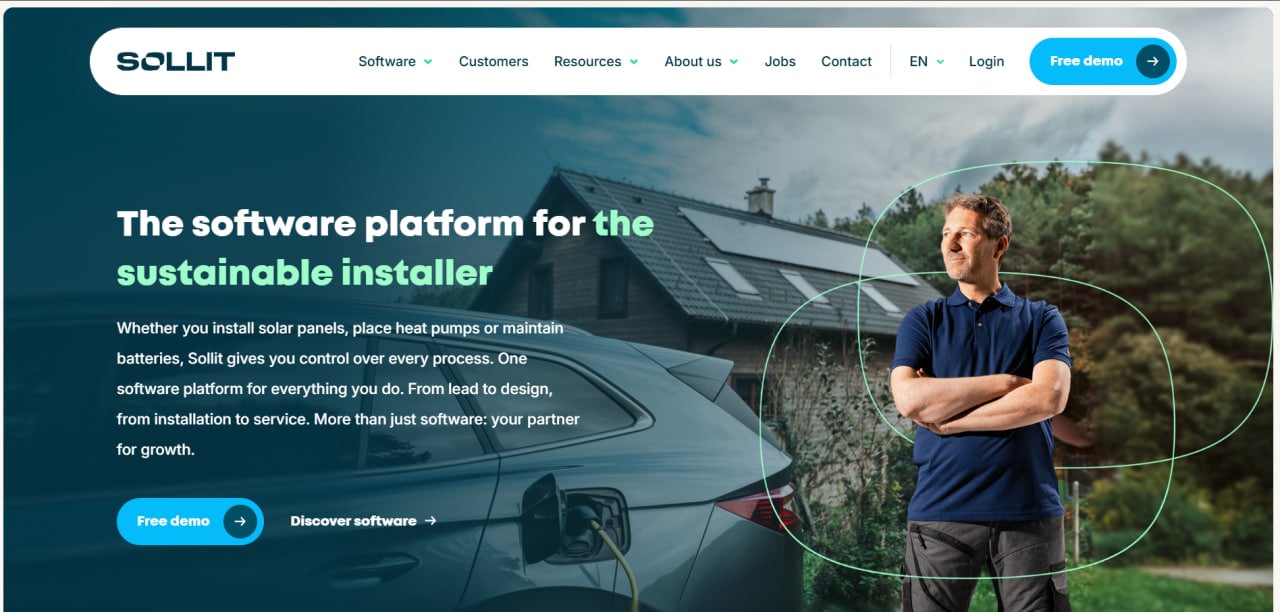
Sollit solves these operational challenges by providing a centralized, modular platform specifically built for the sustainable energy sector. It allows businesses to manage the entire customer journey—from the initial lead capture and technical design to the final installation and monitoring—within a single environment. By unifying these processes, companies can reduce manual data entry, improve the accuracy of their quotes, and scale their operations more effectively.
What Is Sollit?
Sollit is a Software-as-a-Service (SaaS) platform classified as an all-in-one business management solution for renewable energy professionals. Founded in 2013 and formerly known as 2Solar, the company rebranded to Sollit to reflect its expanded focus beyond solar energy to include heat pumps, EV chargers, and home batteries. It serves as a combination of a Customer Relationship Management (CRM) system, technical design software, and project management tool.
The platform is engineered specifically for installation and sales companies in the climate control and renewable energy markets. At a high level, Sollit works by consolidating customer data and project specifications, allowing teams to generate professional designs using aerial imagery and automated calculations. Verified trust signals include its ISO 27001 certification for data security, its recognition with the FD Gazellen Award for growth, and a client base that includes major European energy players like Breman and Ensys.
Sollit Features
Lead and CRM Management
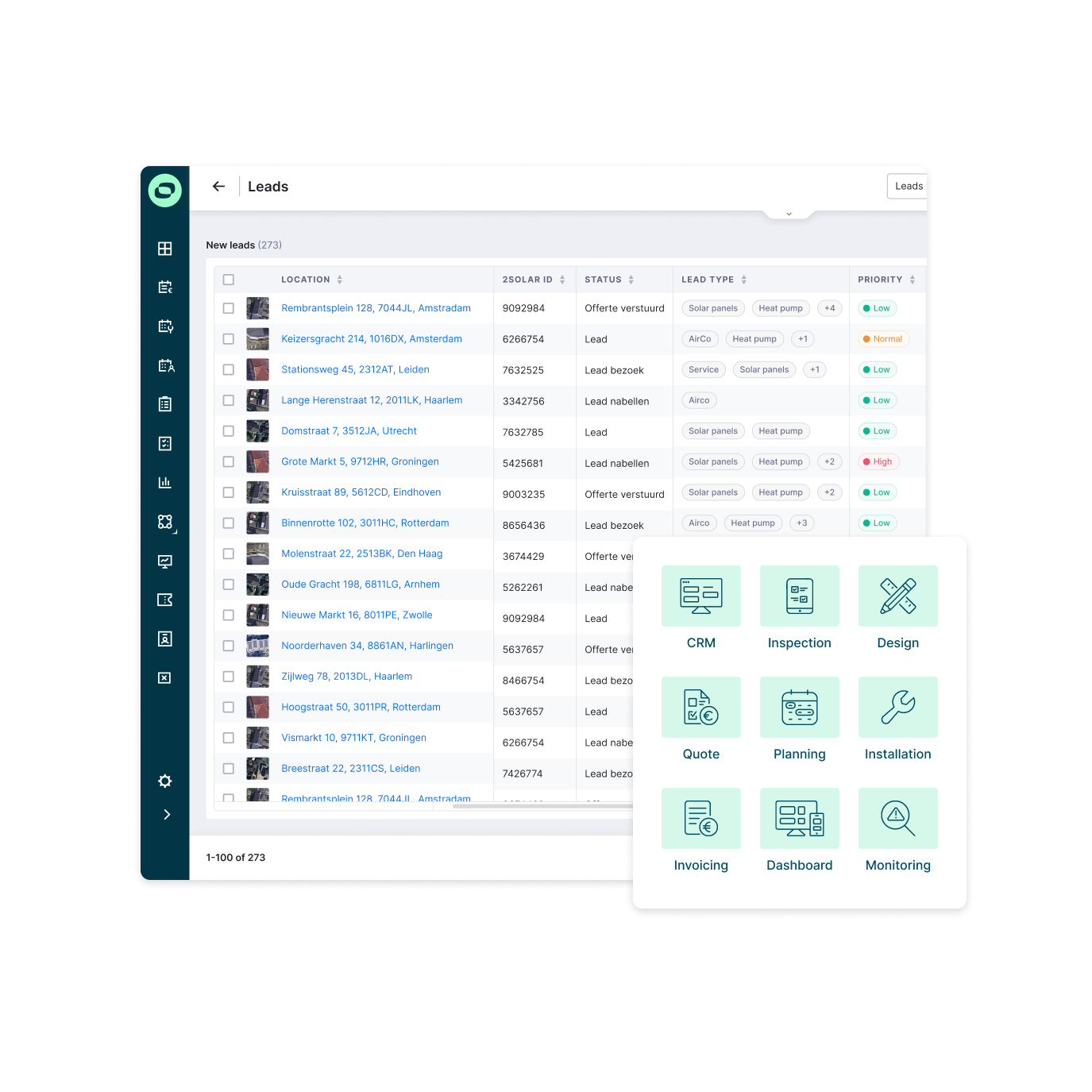
Centralizes customer interactions, allowing sales teams to capture leads from web forms and manage the entire sales pipeline from a single dashboard.
PV Design Software
Uses high-resolution aerial imagery to create accurate solar panel layouts. The tool automatically calculates slope angles, shading, and projected energy yields to ensure technical accuracy.
Automated Quoting
Generates professional, data-driven proposals up to four times faster by linking technical designs directly to pricing modules and material lists.
Payback Calculations
Automatically computes ROI and payback periods based on usage, storage capacity, and current energy yields, providing customers with clear financial justifications.
Project Management and Planning
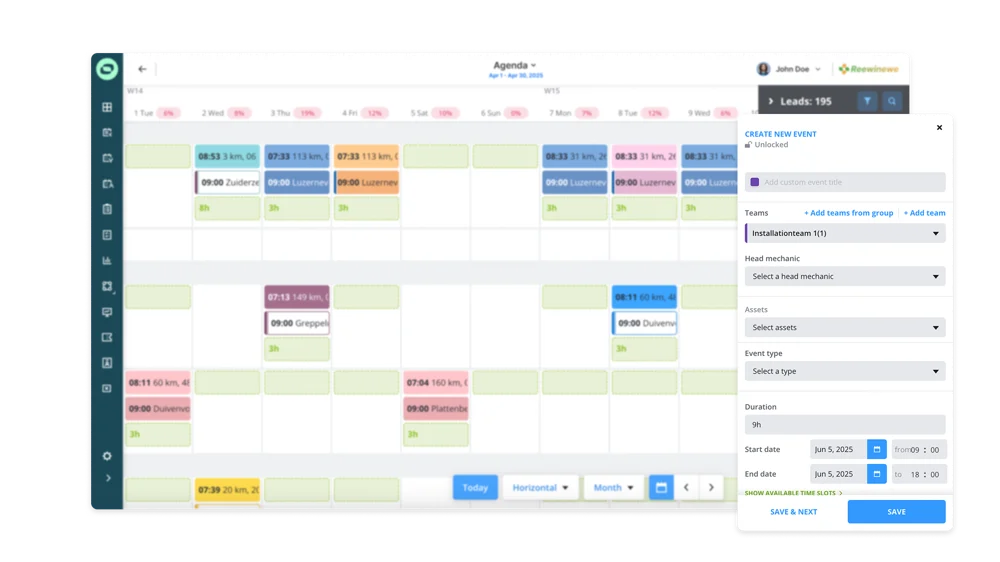
Bridges the gap between the office and the field by converting sold quotes into active projects with digital work orders for technicians.
Modular Product Support
Beyond solar, the platform includes specific modules for home batteries, EV charging stations, and HVAC systems like heat pumps, allowing installers to manage diverse portfolios.
Monitoring Integration
Connects to hardware monitoring systems after installation, allowing companies to track system performance and provide proactive after-sales service.
Screenshots
Sollit Pricing
Sollit uses a modular pricing model, allowing companies to pay for the specific functions they need. However, detailed pricing tiers are not publicly listed on the official website.
Free Trial and Demo
A free demo is available for prospective users to explore the features and modules before committing to a plan.
Paid Plans
Subscriptions are generally customized based on the modules selected, such as Solar, HVAC, Batteries, and EV charging, as well as the number of users.
Enterprise Pricing
For larger organizations with complex workflows, custom quotes are provided following a consultation and site audit.
Because the company focuses on providing a modular solution, users are encouraged to contact the sales team or book a demo to receive a personalized pricing proposal tailored to their business size and service offering.
Sollit Integrations
Sollit is designed to sit at the center of an installer’s digital ecosystem and supports various technical connections.
CRM and Sales Integrations
Sollit includes built-in CRM functionality but can also be connected with other sales tools through its API.
Hardware Monitoring
The platform connects with various solar monitoring systems to pull real-time performance data into the workspace.
Accounting and ERP
Sollit supports data exports and integrations to synchronize financial information with external accounting and ERP software.
API Availability
API access allows companies to build custom connections between Sollit and their existing databases or third-party applications.
How to Set Up Sollit
- Book a free demo through the Sollit website to discuss your business needs and product groups.
- Work with a Sollit account manager to select the necessary modules, such as Solar, HVAC, Batteries, or EV charging.
- Configure your workspace by adding your brand identity, document templates, and pricing tables.
- Import existing customer data and lead lists into the CRM module.
- Set up roles and permissions for sales staff, designers, managers, and installation technicians.
- Connect the necessary third-party integrations and monitoring systems.
How to Use Sollit
The daily workflow in Sollit typically begins with the sales team managing new leads within the CRM. When a lead shows interest, a salesperson uses the design module to create a remote PV layout. They enter the customer’s address, and the software displays aerial imagery where they can position panels, calculate shading, and determine the optimal system size.
Once the design is complete, the software automatically generates a quote that includes ROI calculations and a full bill of materials. After the customer signs the proposal digitally, the project moves to the planning phase. The office team schedules the installation and sends a digital work order to the technician’s mobile device.
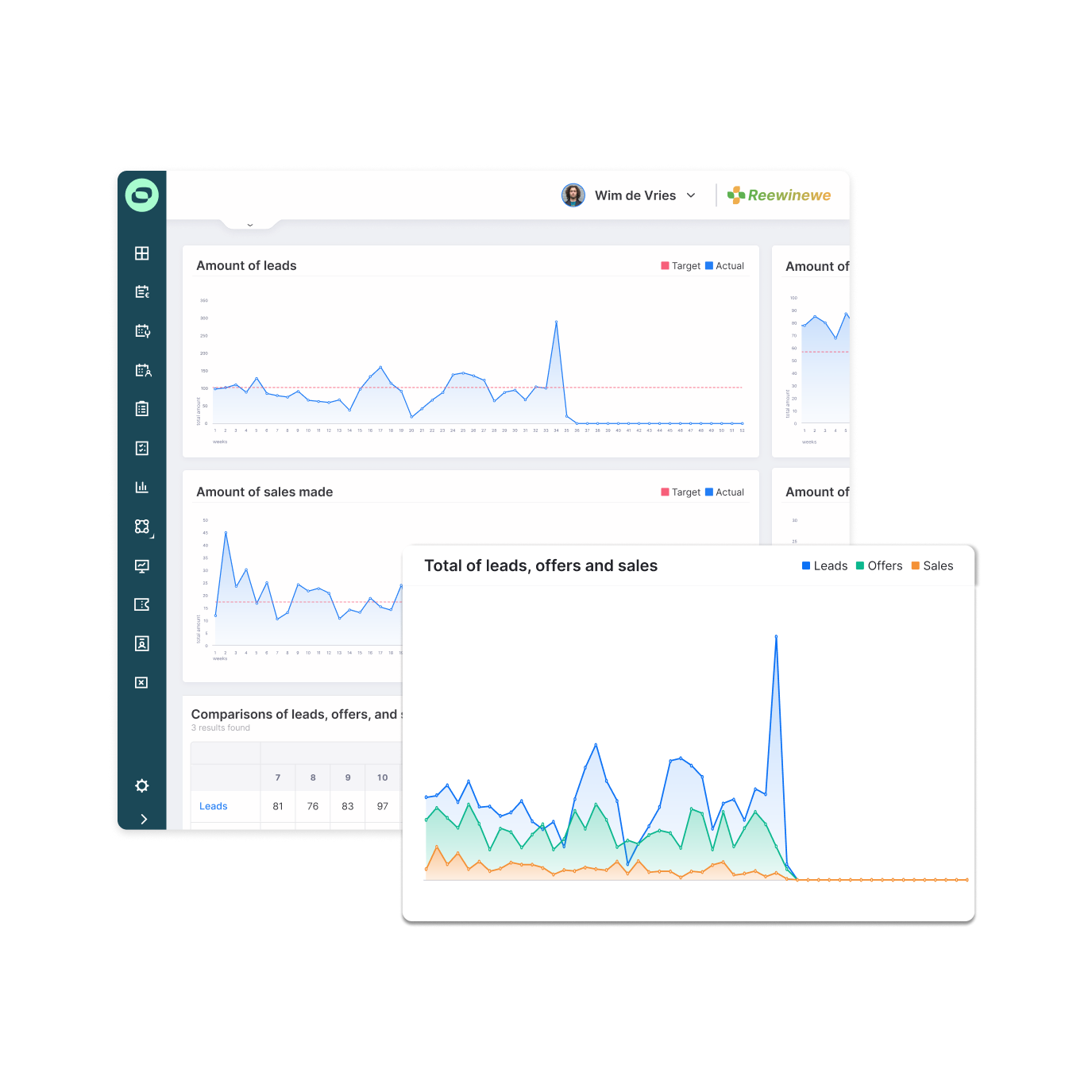
After installation, the team can use Sollit to view monitoring data, verify system performance, manage maintenance records, and maintain a long-term relationship with the customer through the service portal.
What You Can Manage with Sollit
- Customer Records: Detailed histories of customer interactions, quotes, and installations.
- PV Designs: Technical layouts and energy yield simulations for solar projects.
- Sales Pipelines: Visual tracking of leads from initial contact to closed deals.
- Professional Proposals: Automated branded quotes with clear financial projections.
- Project Schedules: Coordination of installation teams and technician workloads.
- Material Lists: Inventories of panels, inverters, batteries, and mounting hardware.
- Performance Data: Post-installation monitoring and maintenance records.
Sollit FAQs
What does Sollit do?
Sollit is a modular software platform that combines CRM, solar design, and project management in a single tool for renewable energy installers. It helps companies manage everything from lead generation and technical PV layouts to installation planning and performance monitoring.
Who is Sollit best for?
The platform is designed for installation and sales companies in the sustainable energy sector, including those working with solar panels, heat pumps, EV chargers, and home batteries. It is particularly suitable for growing businesses that want to replace fragmented spreadsheets with a single source of operational data.
Is Sollit free?
Sollit is a paid professional platform, but the company offers a free demo to prospective clients. There is no permanent free version because the software requires setup and customization.
How much does Sollit cost?
Pricing is not publicly listed because it is based on the selected modules, number of users, and scale of the company’s operations. Businesses must contact Sollit for a personalized quote.
What are the main limitations of Sollit?
The primary limitations include the lack of transparent public pricing and the initial time required to configure the modules and templates. Its extensive feature set may also be more than a very small, single-person operation needs.
What are the best alternatives to Sollit?
Common alternatives in the solar design and management market include Aurora Solar, HelioScope, and OpenSolar. Companies that do not require technical solar design capabilities may also consider general CRM platforms such as HubSpot or Salesforce.