KrakenFlex
Pros
- Highly scalable cloud infrastructure for millions of devices.
- AI-driven optimization improves energy trading and flexibility revenues.
- Supports many different distributed energy resources.
- Automates real-time market participation and dispatch.
- Backed by Octopus Energy and Kraken Technologies expertise.
- Can significantly reduce operational and peak demand costs.
Cons
- Complex enterprise implementation process.
- Requires compatible smart hardware and communication protocols.
- No transparent public pricing.
- Less suitable for small standalone residential users.
- Legacy infrastructure integrations may require customization.
The transition from centralized power generation to decentralized renewable energy systems has made electricity grids far more dynamic and difficult to manage. Utilities and energy operators now need to balance solar, batteries, EV chargers, and flexible demand in real time while responding to market conditions and grid constraints. Traditional software often struggles to handle this level of complexity efficiently.
KrakenFlex addresses these challenges with a cloud-native Distributed Energy Resource Management System (DERMS) and Virtual Power Plant (VPP) platform. By combining AI-driven optimization, automated market participation, and large-scale device connectivity, the platform helps organizations maximize revenue while supporting grid stability.
What Is KrakenFlex?
KrakenFlex is a cloud-based platform designed to monitor, control, and optimize distributed energy resources such as batteries, EV chargers, solar systems, and heat pumps.
Originally founded as Upside Energy in 2014 and later integrated into the Octopus Energy Group’s Kraken Technologies ecosystem, the platform supports utilities, grid operators, traders, and renewable asset owners through real-time energy optimization and automated grid services.
Features
- Real-Time Monitoring: Track asset performance, availability, and operational alerts continuously.
- AI Portfolio Optimization: Optimize energy assets based on market prices, grid conditions, and customer preferences.
- Automated Market Dispatch: Participate automatically in energy and frequency response markets.
- Demand Forecasting: Predict consumer energy demand using machine learning models.
- Multi-Asset Integration: Connect batteries, EVs, solar inverters, and smart appliances.
- Flex Bidding Tools: Optimize energy storage participation in electricity markets.
- Grid Flexibility Services: Support utilities with congestion management and demand response.
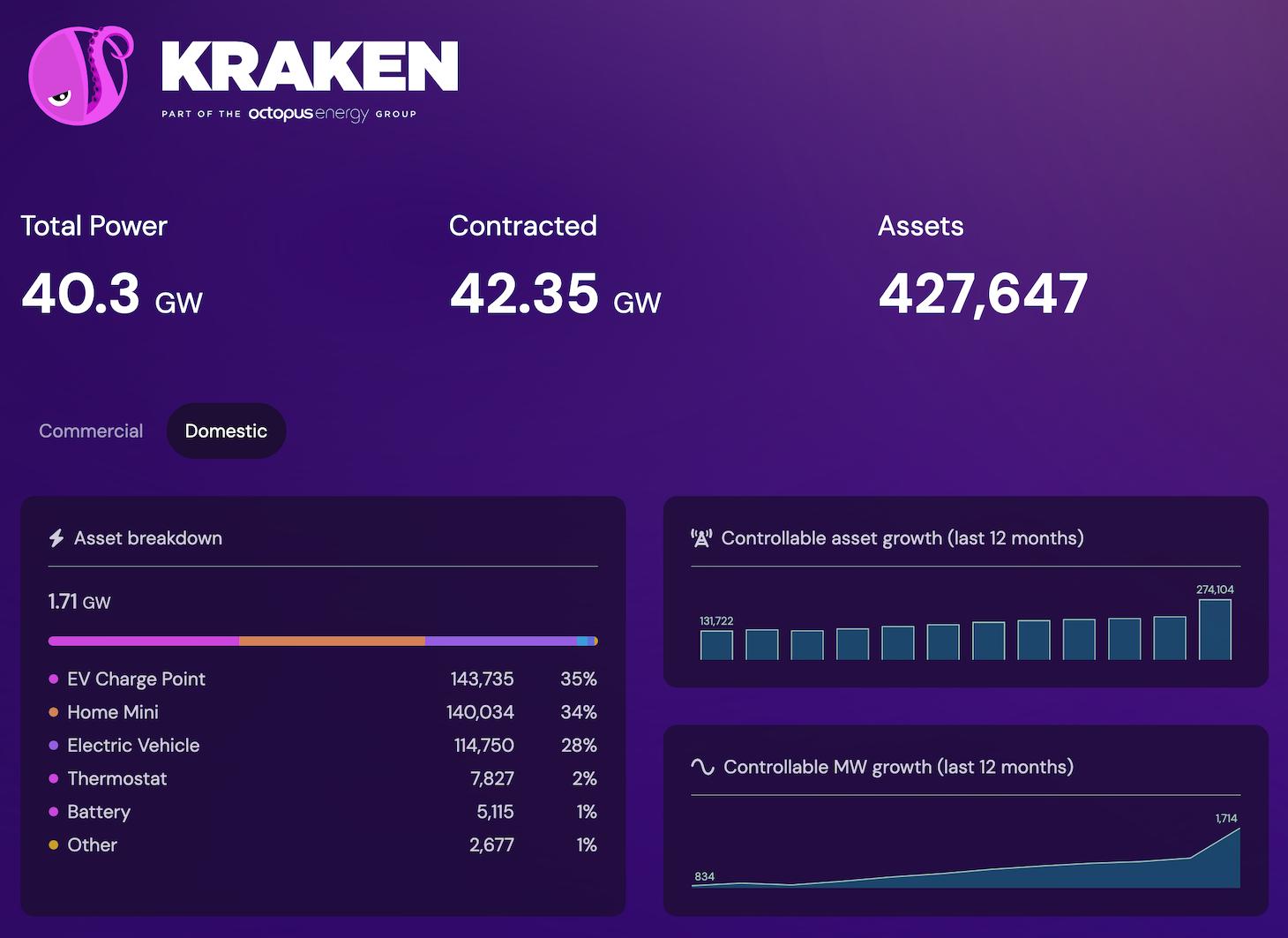
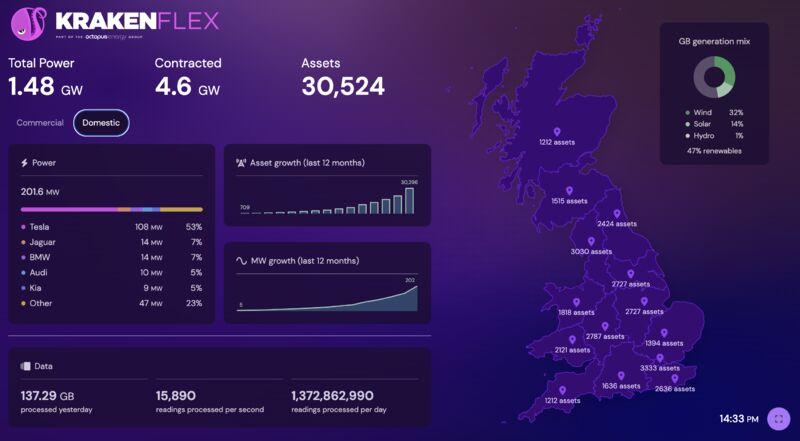
Screenshots
KrakenFlex Pricing
KrakenFlex uses custom enterprise pricing tailored to infrastructure scale and operational requirements.
- Custom Quotes: Pricing depends on the number of connected assets and regions.
- Enterprise SaaS Model: Subscription or usage-based pricing structures.
- Consultation Required: Customers typically complete technical assessments before deployment.
- No Public Free Tier: Pricing is not publicly available.
Integrations
KrakenFlex integrates with energy hardware, cloud infrastructure, and utility systems.
- Hardware Integrations: Supports batteries, EV chargers, smart meters, and breakers.
- Industry Protocols: Compatible with Modbus and OCPP.
- APIs and Webhooks: Enable custom integrations and third-party data sharing.
- AWS Cloud Infrastructure: Runs on scalable serverless cloud architecture.
- Analytics Platforms: Supports integrations with tools like Azure Databricks.
How to Set Up KrakenFlex
- Request a demo and technical consultation with Kraken Technologies.
- Assess hardware compatibility and integration requirements.
- Configure cloud infrastructure and site hierarchies.
- Connect physical devices using supported APIs and protocols.
- Set optimization goals, bidding rules, and alert settings.
- Launch automated monitoring and energy market participation.
How to Use KrakenFlex
Energy managers typically begin by reviewing centralized dashboards to monitor asset availability, overnight alerts, and market conditions. The platform’s AI then automatically optimizes dispatch and bidding decisions based on electricity pricing, weather forecasts, and operational constraints.
Throughout the day, users can analyze energy flexibility performance, monitor virtual power plant participation, and generate reports covering financial performance, carbon savings, and demand response activities.
What You Can Manage with KrakenFlex
- Distributed Energy Resources: Manage EVs, batteries, heat pumps, and solar assets.
- Virtual Power Plants: Aggregate and control thousands of distributed devices.
- Energy Market Participation: Automate bidding and dispatch processes.
- Demand Response Programs: Coordinate customer flexibility during peak demand.
- Grid Stability Services: Support balancing and congestion management.
- Operational Analytics: Monitor asset performance and optimization results.
FAQs
What does KrakenFlex do?
KrakenFlex uses AI to connect, optimize, and control distributed energy resources for utilities, traders, and renewable asset operators.
Who is KrakenFlex best for?
It is designed for utilities, grid operators, renewable asset owners, aggregators, and enterprises managing distributed energy portfolios.
Is KrakenFlex free?
No, KrakenFlex is a commercial enterprise platform that requires custom pricing and implementation agreements.
What are the main limitations of KrakenFlex?
Main limitations include implementation complexity, dependency on connected smart hardware, and lack of public pricing transparency.
What are the best alternatives to KrakenFlex?
Popular alternatives include Schneider Electric EcoStruxure, Siemens MindSphere, AutoGrid, and other DERMS and virtual power plant platforms.