Artemis
Pros
- Builds complete 3D layouts and production estimates in under 15 seconds.
- Automatically detects roof obstructions and maps fire-compliant setbacks.
- Approved by the Energy Trust of Oregon for incentive compliance.
- Includes an embeddable website widget for capturing customer leads online.
- Supports live layout edits and instant pricing updates during customer presentations.
- Subscription plans include unlimited users and unlimited project designs.
Cons
- Public pricing details and subscription tiers are not transparently displayed on the website.
- The design interface may feel slow or clunky when users manually reposition individual panels.
- The platform is designed primarily for residential roofing and solar layouts rather than large commercial solar fields.
If you are a residential solar or roofing contractor, you are probably all too familiar with slow design queues and clunky sales workflows. Traditional engineering software usually forces you into slow, manual drafting, leaving you with multi-day delays between a homeowner’s first call and a signed contract. Artemis fixes this by bringing design, estimating, and sales together into one smooth platform.
The platform gives sales reps and operations teams the tools they need to generate permit-ready solar layouts using just an address. By replacing slow, manual design steps with fast automation, the software helps solar, battery, and roofing installers speed up turnaround times and lower their customer acquisition costs.
What Is Artemis?
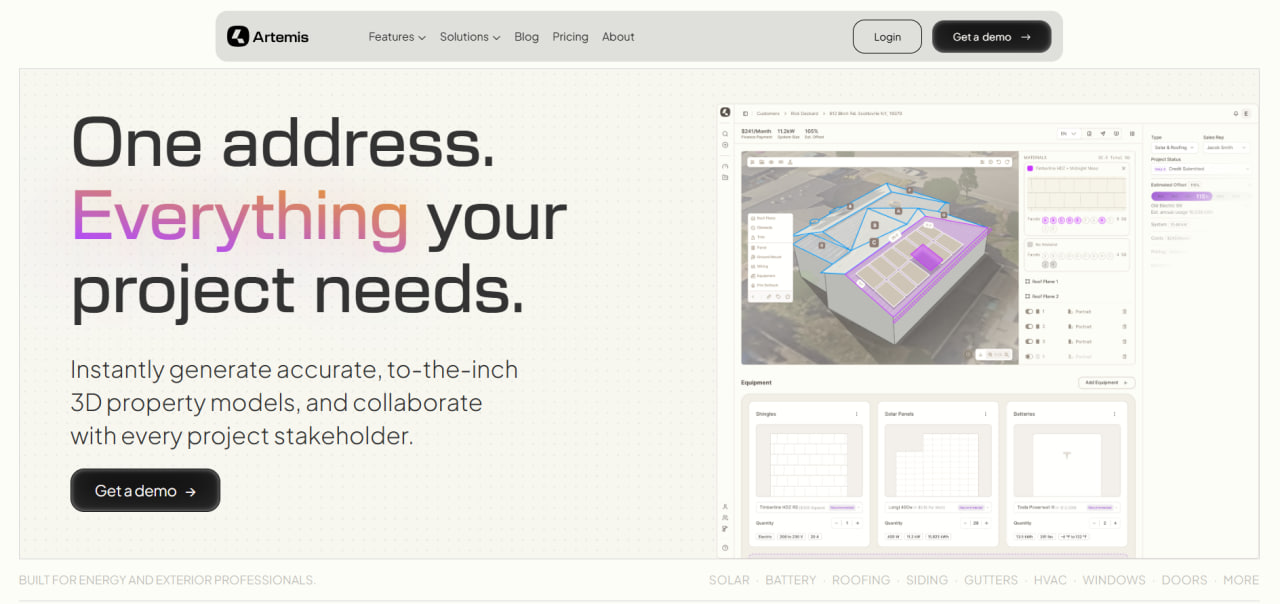
Artemis is a cloud-based, AI-driven clean energy proposal and design tool built by Monalee. It works as a sales enablement platform for residential solar and roofing, serving installers, field reps, and operations managers alike. The software is built to handle the heavy lifting of initial drafting stages, turning simple property addresses into completely engineered project proposals.
Under the hood, the platform uses proprietary AI to study satellite imagery, roof shapes, shading, and local weather patterns. In addition to automating layouts, Artemis gives solar businesses an interactive web-embed tool they can place on their own websites to offer instant quotes.
It is also officially approved by the Energy Trust of Oregon, which means installers can submit its auto-generated shade reports for incentive applications just as they would with older tools like Aurora and Solo.
Features
- Instant 3D Solar Design: Generates fully modeled, 3D-rendered solar panel layouts and detailed shading analyses from any address in under 15 seconds.
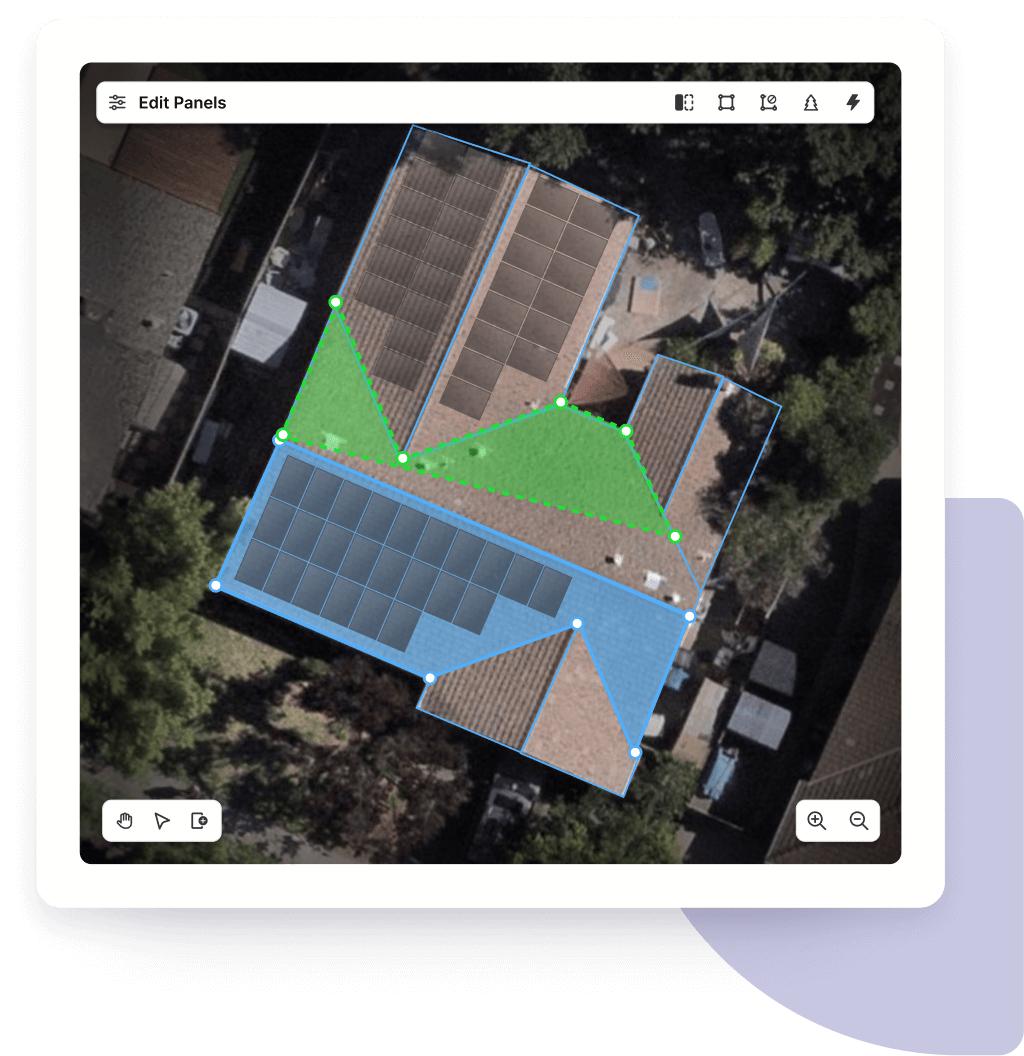
- Automated Obstacle and Setback Detection: Automatically identifies roof obstructions such as vents, pipes, chimneys, antennas, and overhanging trees while mapping fire-compliant boundary setbacks.
- Geospatial and Irradiance Modeling: Analyzes high-resolution aerial imagery alongside local utility data and regional weather conditions to calculate accurate production models and financial ROI metrics.
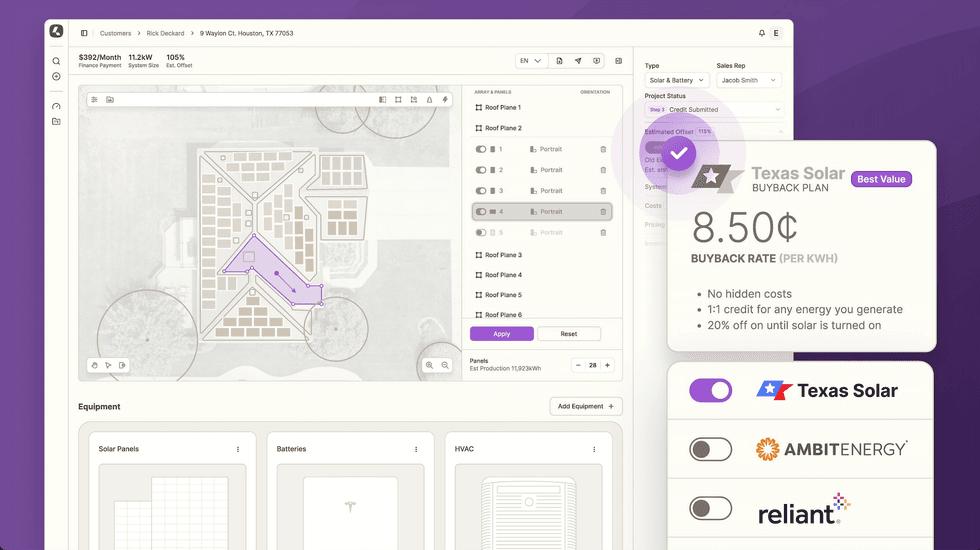
- Integrated Presentation Mode: Allows sales representatives to adjust equipment choices, pricing, and system layouts in real time while presenting the project to customers.
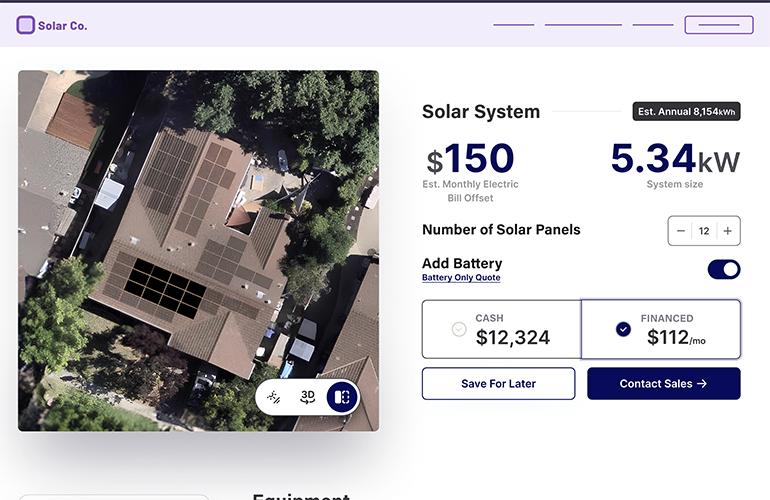
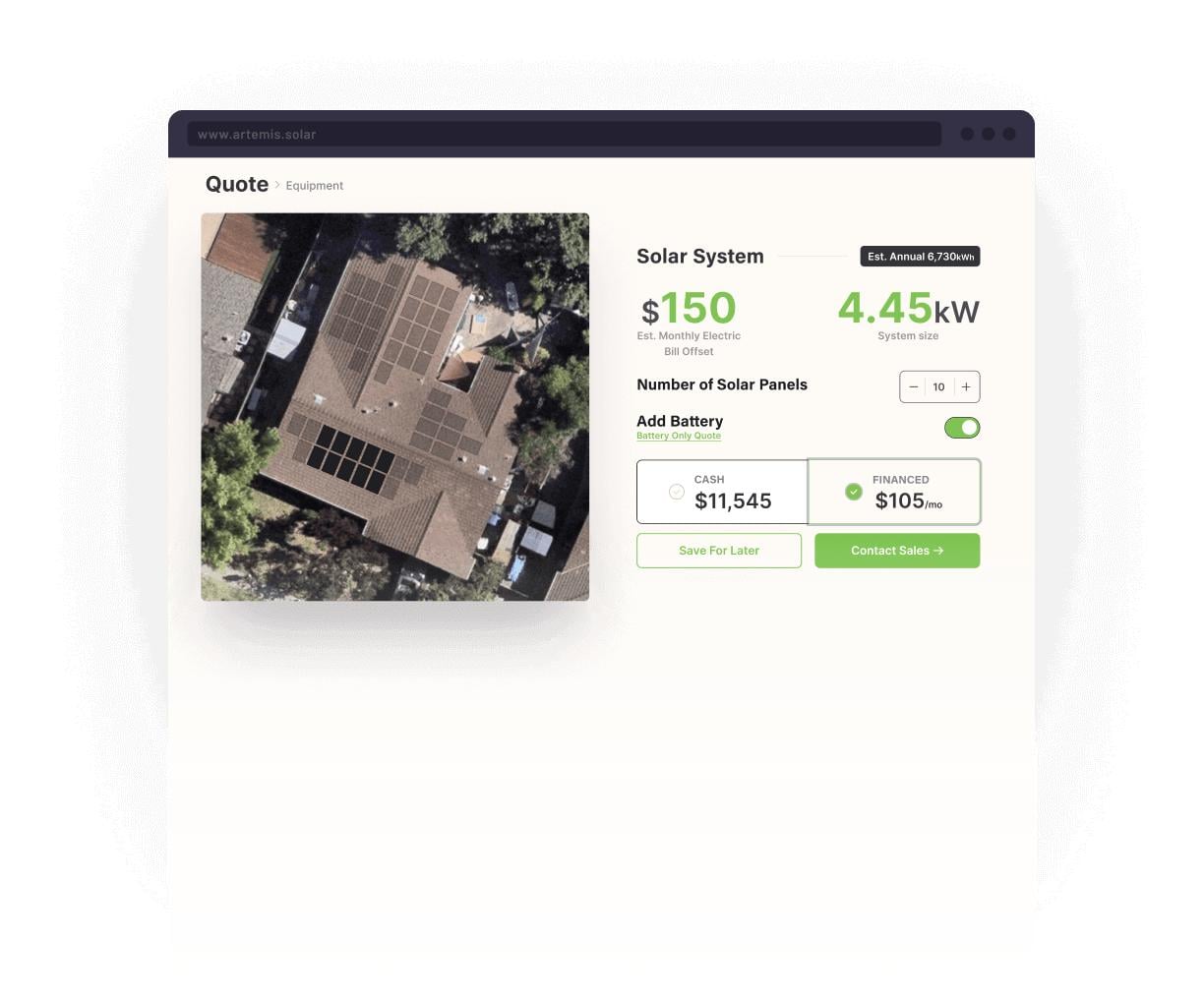
- Embedded Quoting Tool: Provides an interactive widget that installers can add to their websites with a few lines of code, allowing visitors to generate quick estimates online.
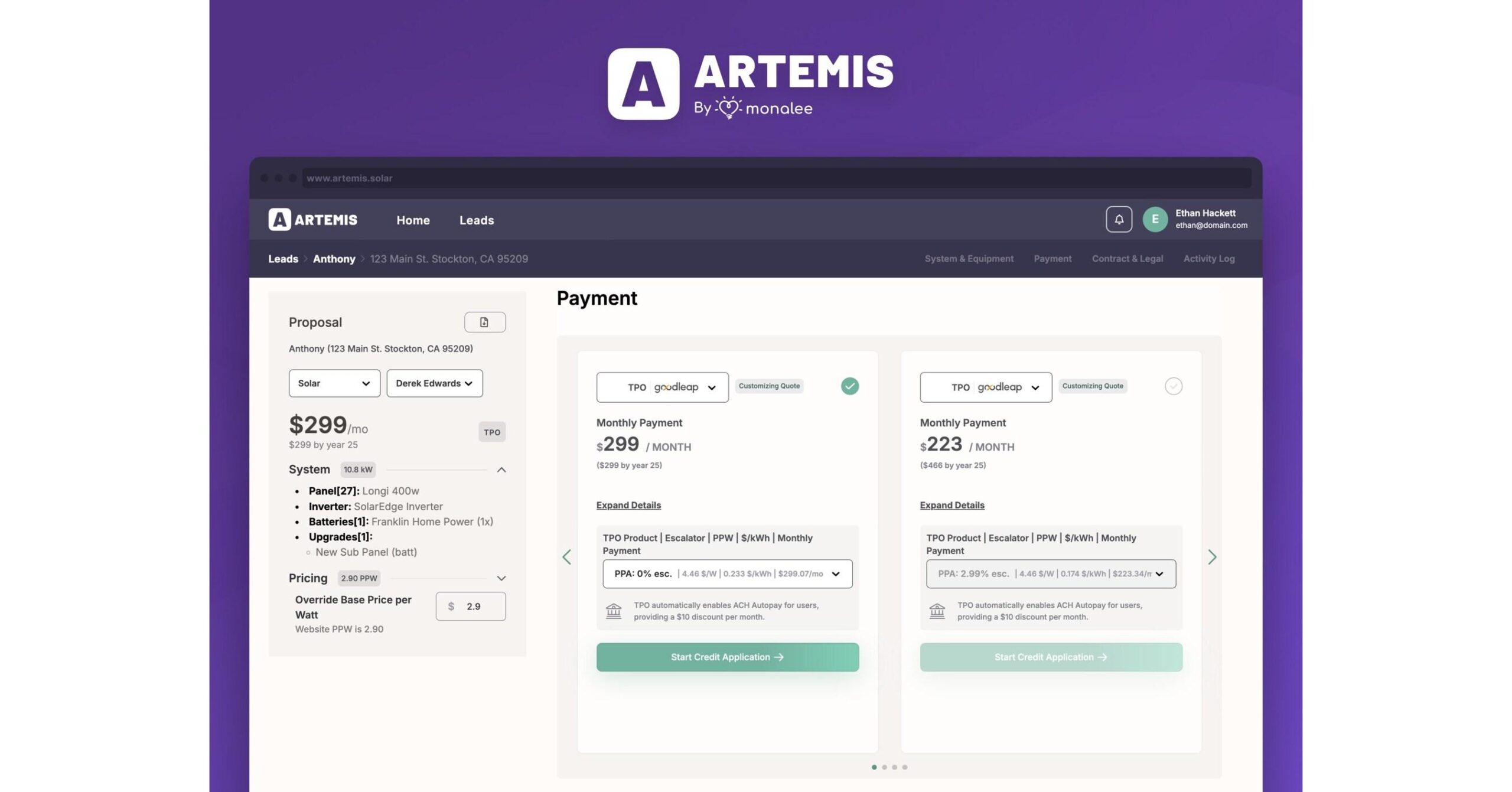
- Multi-Option Financing Engine: Provides side-by-side payment comparisons, soft credit checks, and direct connections to third-party ownership, loan, and cash financing providers.
- Bi-Directional Data Sync: Automatically updates project information across operational departments, keeping sales and project management teams synchronized.
Screenshots
Artemis Pricing
Pricing is not listed publicly. Interested users must contact the sales team or book a live demo to receive a custom quote.
Although fixed subscription costs are not disclosed, the platform is marketed as a more affordable alternative to older legacy systems. Artemis also runs promotional partnerships, such as its collaboration with Sunlight Financial, which may include free introductory periods.
Available pricing details include:
- A 14-day free trial with no credit card required.
- Unlimited user seats with enterprise subscriptions.
- Unlimited project designs with enterprise subscriptions.
- Custom pricing based on company requirements and selected integrations.
- Occasional promotional access through financing and industry partners.
Integrations
- CRM Integrations: Synchronizes project data, customer contact records, and contract milestones with contractor databases and sales management platforms.
- Payment and Financing Integrations: Embeds soft credit checks and side-by-side comparisons for cash purchases, solar loans, and third-party ownership providers.
- APIs and Webhooks: Provides flexible customization options for connecting lead capture websites and transferring property data to downstream field tools.
How to Set Up Artemis
- Submit a request through the company website to book a live demo or start the 14-day free trial.
- Configure your company profile by entering local pricing models, default solar modules, and preferred inverter brands.
- Connect approved third-party ownership, loan, or cash financing providers to the proposal tool.
- Upload sales templates and marketing assets so generated proposals match your company branding.
- Copy the custom web snippet and add it to your external website to launch the customer-facing estimate calculator.
- Invite team members to the workspace and connect your CRM platform to manage incoming leads.
How to Use Artemis
A sales representative starts by entering a target property address into the main search panel. Within moments, Artemis creates a 3D model of the roof, calculates local irradiance, and recommends an initial solar panel layout. The representative can then review the automatically detected obstructions to ensure vents, chimneys, and nearby trees are accurately represented.
During a live consultation, representatives use presentation mode to guide homeowners through expected production figures, annual utility savings, and upfront investment costs. If the homeowner wants to move panels or select different modules, the representative can edit the layout directly on the screen.
The platform instantly recalculates financing options and estimated payback periods whenever the design changes. Once the homeowner approves the project, the file is saved and synchronized with internal fulfillment teams so construction planning can begin.
What You Can Manage with Artemis
- 3D Solar Layouts: Precise system designs showing spatial context, roof angles, obstructions, and panel orientations.
- Sales Proposals: Customer-facing presentations customized with company logos, system visuals, and local financial metrics.
- Financing Comparisons: Real-time financial tables comparing loan terms, cash options, and third-party ownership plans.
- Compliance Reports: Detailed shade maps and setback designs that meet Energy Trust standards and local building codes.
- Lead Intake Flows: Digital inquiries captured through embedded website tools and transferred into the main sales funnel.
FAQs
What does Artemis do?
Artemis is an AI-driven software platform that automates clean energy proposals, property layouts, and shade calculations for residential installers. It turns property addresses into optimized 3D models with automated fire setbacks, system sizing, and ROI predictions in under 15 seconds.
Who is Artemis best for?
The software is designed for residential solar teams, roofing contractors, sales representatives, and operations managers that want to eliminate manual drafting backlogs. It is particularly useful for teams that need to make real-time layout changes and compare financing options while meeting with customers.
Is Artemis free?
Artemis does not offer a permanent free tier, but it provides a 14-day free trial with no credit card required. Businesses can also request a guided demo to evaluate platform integrations, design workflows, and custom branding options.
Does Artemis support integrations?
Yes. Artemis supports connections with CRM platforms, financing providers, lead capture websites, and downstream field tools. APIs and webhooks are available for custom data synchronization and workflow automation.
What are the main limitations of Artemis?
The company does not publish standard pricing plans, so installers must request a custom quote to determine the exact cost. Although the AI handles standard residential roofs effectively, manually repositioning panel grids on highly irregular roof shapes may occasionally feel clunky.
What are the best alternatives to Artemis?
Common alternatives to Artemis include Aurora Solar, Solo, OpenSolar, and Solargraf. The best option depends on design complexity, financing integrations, proposal requirements, and the size of the installation business.