SolX
Pros
- High-precision simulation engine that provides bankable energy yield reports.
- Robust 3D modeling capabilities that handle complex roof and ground obstructions.
- Comprehensive hardware database that stays current with new market releases.
- Detailed financial analysis tools that help bridge the gap between engineering and sales.
- User interface designed for technical workflows without being overly cluttered.
- Supports both residential and commercial scale project requirements.
Cons
- Lack of transparent, public pricing makes initial budget comparisons difficult.
- Steeper learning curve for users who are not familiar with solar engineering principles.
- May require high-speed internet and modern hardware for smooth 3D rendering.
- Limited information on third-party software integrations.
SolX is a comprehensive solar design and engineering platform built to streamline the transition from initial site assessment to final performance analysis. In an industry where accuracy directly impacts project bankability and long-term return on investment, SolX provides a suite of tools that allow solar professionals to model complex photovoltaic systems with precision.
The software is primarily designed for solar engineers, commercial and industrial (C&I) project developers, and residential installers who require more than just basic layout tools. By integrating high-resolution topographical data with advanced electrical simulation engines, SolX addresses the common challenge of production variance—the gap between what is promised in a proposal and what a system actually generates.
What Is SolX?
SolX is a Software-as-a-Service (SaaS) platform categorized as solar design and simulation software. It is engineered to support the entire lifecycle of a solar project’s technical development, focusing specifically on 3D modeling, shading analysis, and energy yield prediction. The platform serves a global user base ranging from boutique installation firms to large-scale engineering, procurement, and construction (EPC) companies.
The platform works by allowing users to input a project address to pull satellite or LIDAR data, upon which they can build detailed 3D representations of structures and terrain. SolX then applies a physics-based simulation engine to calculate how sunlight interacts with the specific hardware—modules, inverters, and racking—selected for the project. Verified trust signals for the brand include a strong portfolio of completed residential and commercial projects across North America and positive testimonials from certified solar practitioners.
Features
- 3D Scene Modeling: Allows users to create detailed digital twins of installation sites, including complex roof geometries, obstructions, and surrounding vegetation.
- Advanced Shading Analysis: Calculates the impact of nearby objects and self-shading on energy production using 8,760-hour annual weather data files.
- Hardware Library: Provides a frequently updated database of thousands of solar modules and inverters, ensuring that simulations reflect the specific technical specifications of the selected equipment.
- Energy Yield Simulation: Uses mathematical models to predict hourly, monthly, and annual energy production while accounting for system losses like thermal degradation and wiring resistance.
- Financial ROI Modeling: Translates energy production data into financial metrics, allowing users to calculate payback periods, Internal Rate of Return (IRR), and Net Present Value (NPV) based on local utility rates.
- Topographical Integration: Supports the import of high-resolution terrain data, which is essential for accurate modeling of ground-mounted utility systems on uneven land.
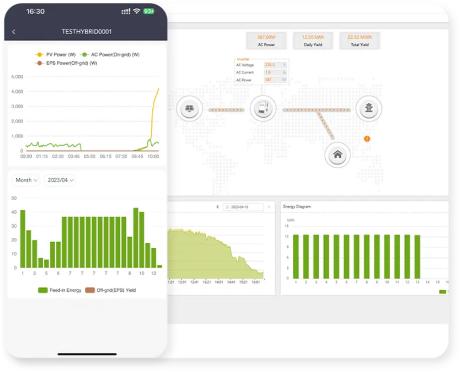
Screenshots


SolX Pricing
Pricing is not publicly listed. Quotes for SolX come out of a scoping call or a product demo.
This tailored approach to pricing typically allows the company to scale costs based on the size of the user’s team, the volume of projects managed per month, and whether the user requires specific enterprise features like API access or custom reporting templates.
Integrations
Public detail on SolX integrations is thin; check the specific connections you need with the vendor first. Based on standard industry workflows, solar design tools in this category often support the following types of connections:
- CAD Software: Exporting 2D and 3D files (such as .DXF or .OBJ) for further engineering in AutoCAD.
- CRM Platforms: Syncing customer site data and project status with sales management tools.
- Weather Data Services: Importing TMY3 (Typical Meteorological Year) data for specific geographic coordinates.
How to Set Up SolX
- Request a demo through the SolX website to speak with an account representative.
- Select a subscription tier based on your project volume and team size.
- Complete the account registration and log in to the cloud-based dashboard.
- Set up your company profile, including default hardware preferences and utility rate templates.
- Invite team members and assign specific roles (e.g., Designer, Sales, Admin).
- Start your first project by entering a site address or uploading site imagery.
How to Use SolX
A typical day using SolX begins by creating a new project and defining the site boundaries using satellite or aerial imagery. The designer then constructs a 3D model of the site, placing obstructions like chimneys, trees, or nearby buildings that could cast shadows.
Once the environment is modeled, the user places solar modules on the roof or ground, selecting the specific brand and model from the library. The software automatically calculates the optimal stringing and inverter placement. After the layout is complete, the user runs a simulation to generate a performance report. This report is then reviewed for any shading “hotspots” or design inefficiencies. Finally, the user exports the performance data and financial projections to include in a customer proposal or technical design set.
What You Can Manage with SolX
- 3D Site Models: Digital representations of project sites and surrounding environments.
- Performance Reports: Detailed documents showing predicted energy production and system losses.
- Financial Projections: ROI, NPV, and payback period calculations based on production data.
- Equipment Inventories: Standardized lists of modules and inverters used across your project portfolio.
- Project Databases: A centralized repository of all current and historical solar designs.
- Shade Maps: Visual heatmaps showing the most and least productive areas of a site.
FAQs
What does SolX do?
SolX is a specialized software platform used to design solar energy systems and predict how much electricity they will generate over time. It combines 3D modeling with environmental data to help solar professionals create accurate, high-performing system layouts.
Who is SolX best for?
The tool is best suited for solar designers, engineers, and project managers who work on residential and commercial projects. It is particularly valuable for teams that need to provide high-accuracy production estimates to secure financing or satisfy technical reviews.
Is SolX free?
SolX does not offer a public free version of its software. Interested users must generally contact the company for a demo, during which a trial period or specialized access may be discussed.
What are the main limitations of SolX?
The most significant limitation is the lack of public pricing, which requires a sales interaction to determine costs. Additionally, because it is a professional-grade tool, users without a background in solar technology may find the technical parameters and simulation settings complex.
What are the best alternatives to SolX?
Common alternatives in the solar design space include HelioScope for commercial projects, Aurora Solar for integrated sales and design, and PVsyst for utility-scale bankability studies. Other options include OpenSolar for a free alternative and ARKA 360 for 3D modeling.