Powerledger
Pros
- Enables direct energy trading between users
- Transparent transaction records through blockchain
- Works with distributed energy assets (solar, storage)
- Applicable to microgrids and community energy setups
- Includes renewable energy and carbon tracking capabilities
Cons
- Requires regulatory clearance in most regions
- Smart meter infrastructure is mandatory
- Integration with existing utility systems can be slow
- Not applicable to design or pre-installation workflows
- Deployment timelines are longer than standard software tools
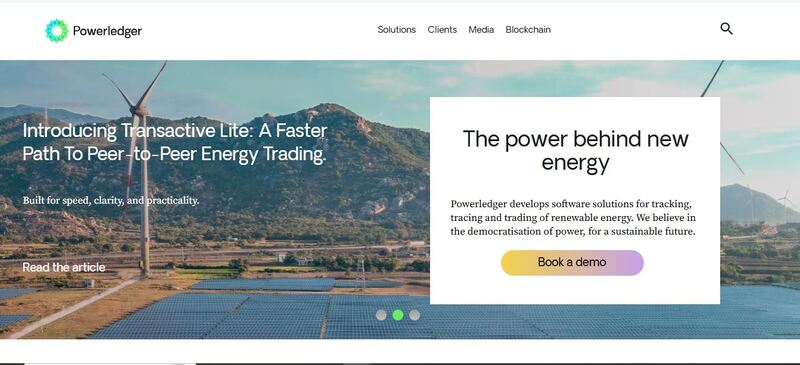
Powerledger is used after solar or distributed energy systems are already in place. It handles how electricity is tracked and exchanged between different parties inside a network. Most deployments sit in utility environments, microgrids, or pilot programs testing energy trading models. It is not a design or engineering tool. It operates in the background layer where energy data, transactions, and settlements are recorded and verified.
What is Powerledger?
Powerledger is a system that tracks and manages electricity trading between different users on a shared network. It records where energy comes from, where it goes, and how it is settled. It is mainly used in projects where energy is generated in many small locations instead of one central plant.
Features
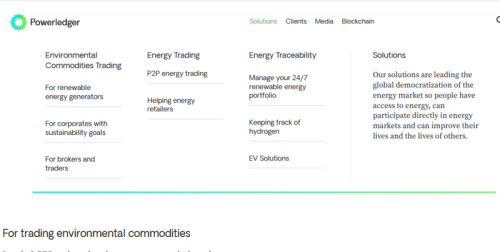
Here are some of the key features that support energy trading and management across distributed systems.
Energy trading between users
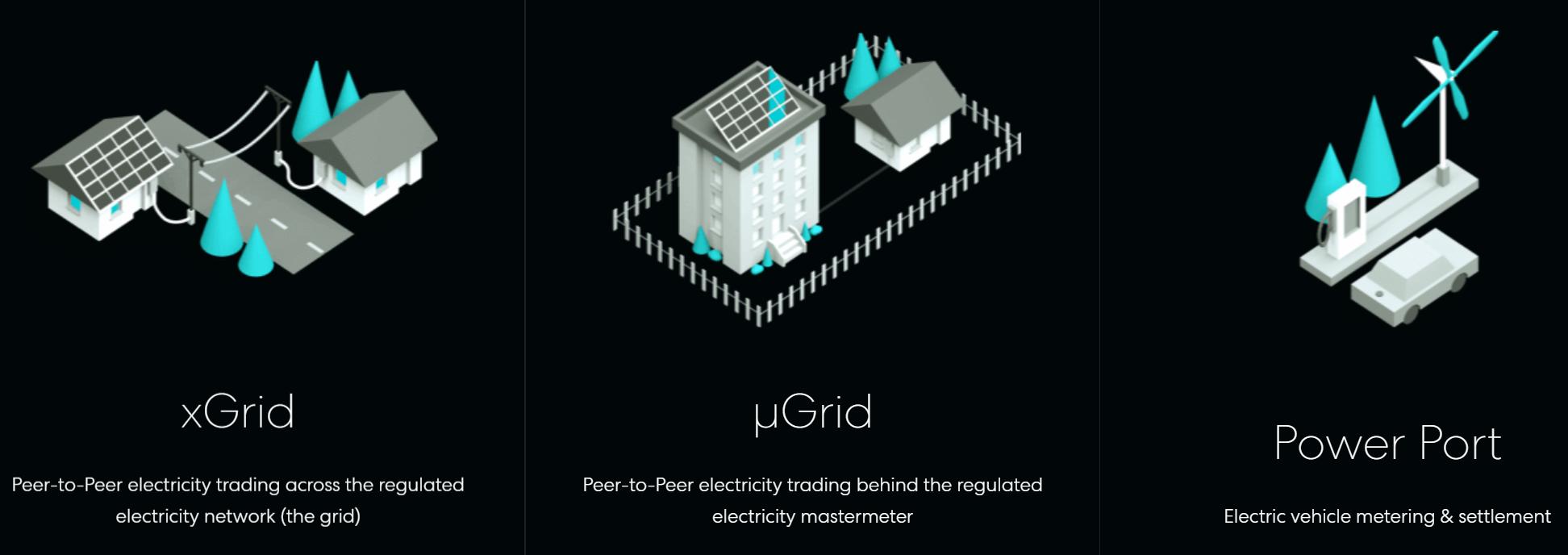
Electricity can be sold directly between people or organizations inside the same system. For example, a solar user with excess energy can transfer it to another user nearby instead of sending everything back to the main grid. The pricing can be fixed or adjusted depending on the setup.
Blockchain transaction tracking
Each transaction is logged on a distributed ledger. The emphasis here is on traceability. Every unit of energy that moves through the system is recorded on a blockchain ledger.
Renewable tracking tools
The platform can link electricity generation to renewable certificates. This is used when companies need to show that their energy use comes from clean sources.
Virtual power plant (VPP) capability
Powerledger aggregates distributed assets such as solar systems and batteries. It also enables coordinated dispatch and participation in grid services.
Microgrid operation
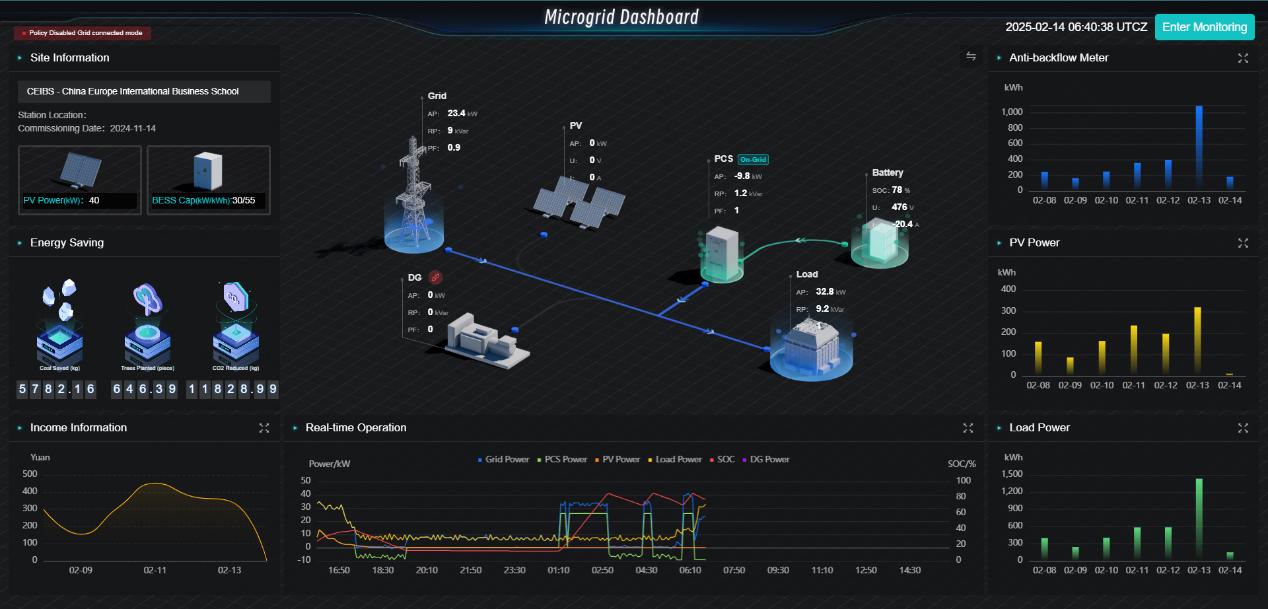
In smaller, self-contained grids such as campuses or industrial zones, Powerledger helps manage internal energy flow. Energy can be generated, stored, and traded within the same network without relying entirely on external utilities.
Energy data tracking
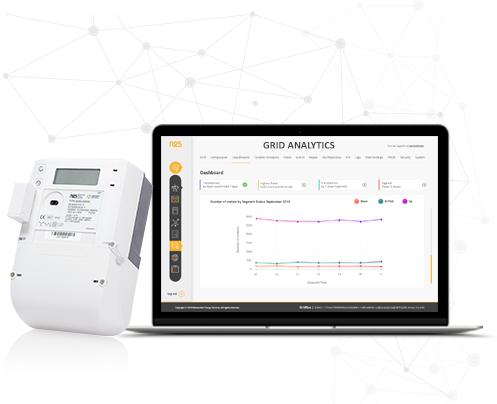
The platform records generation, consumption, and trading activity in structured form. This data is used for reporting, system monitoring, and operational insights rather than visual dashboards.
Carbon and sustainability tracking
Some deployments include carbon credit or emissions tracking. It is mainly used in projects where sustainability reporting is part of the requirement.
Screenshots
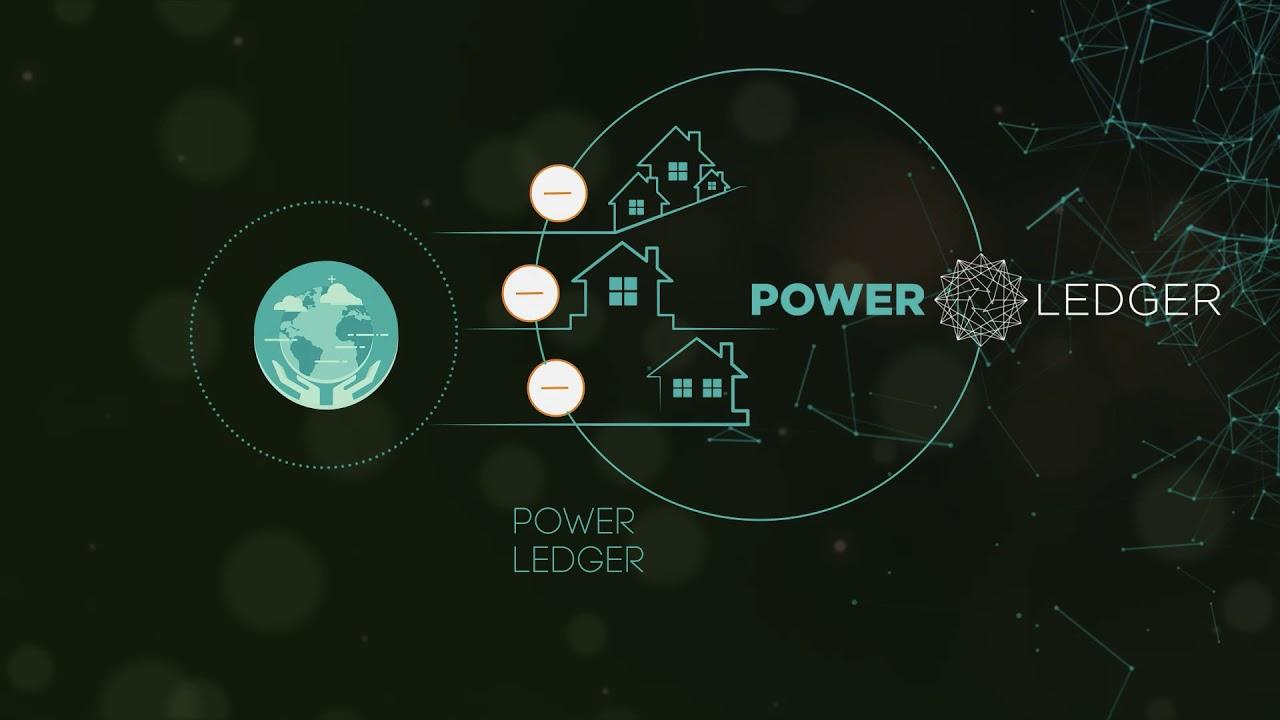
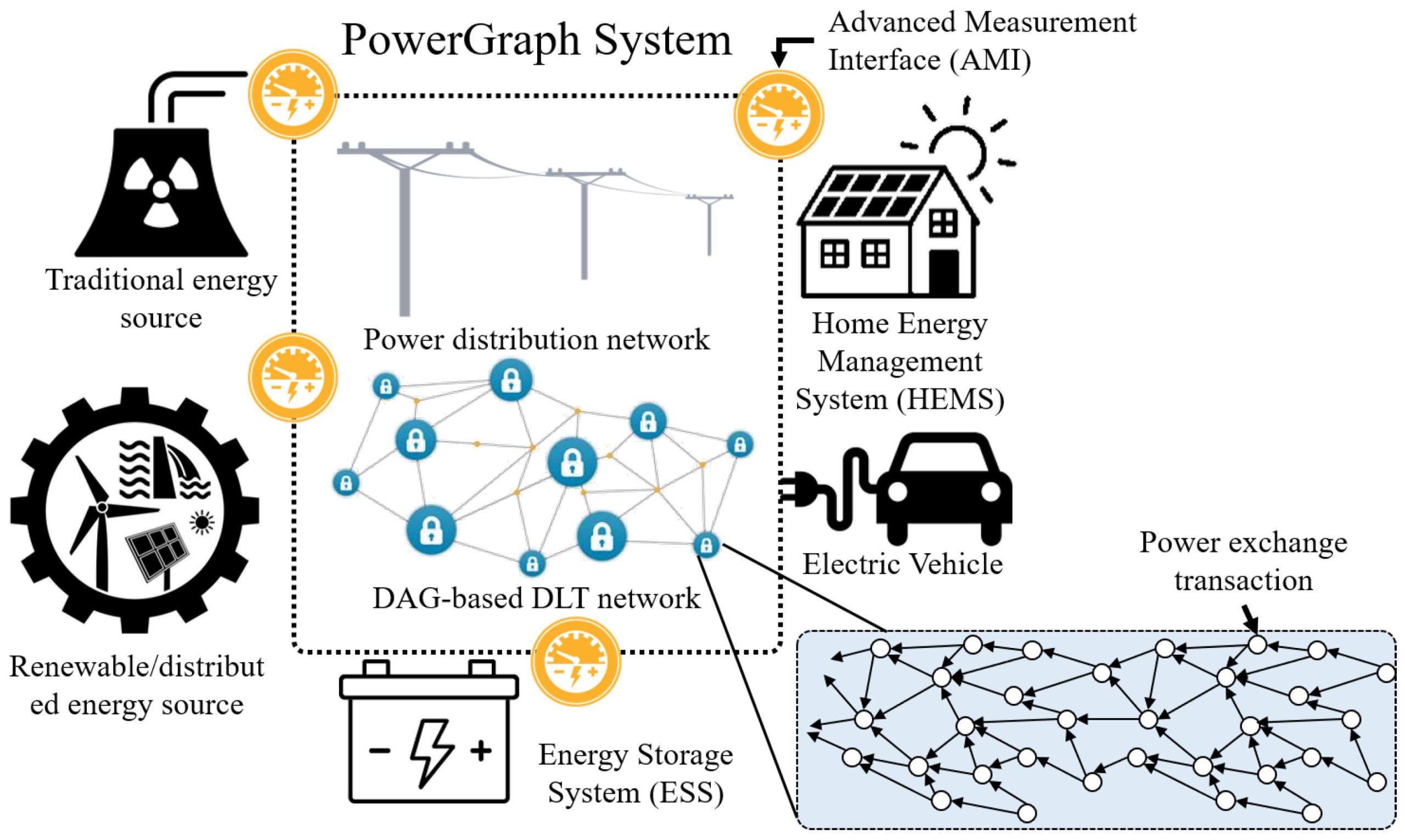
Powerledger Pricing
Pricing depends on the number of participants, hardware integration, regulatory requirements, and deployment scale. There is no fixed public subscription rate. The live price of Powerledger (POWR) is approximately $0.062 to $0.065 USD. The token has a 24-hour trading volume of around $2.1 million to $2.4 million USD and a market capitalization of roughly $33 million to $36 million USD, operating on the Ethereum platform with a circulating supply of over 530 million tokens
Integrations
Powerledger platform integrates well at the infrastructure level as compared to a simple software add-on:
- Smart meters and energy monitoring hardware
- Utility billing platforms
- Grid and DER management systems
- Renewable energy tracking frameworks
- Blockchain infrastructure layers
Integration requires coordination with hardware vendors and utility systems.
How to Use Powerledger
Identify use case
Decide if the system is for energy trading, microgrid use, or renewable tracking.
Confirm regulatory approval
Check if energy trading or decentralized models are allowed in the region.
Install metering systems
Smart meters are needed to track energy flow accurately. Deploy smart meters capable of measuring real-time energy flow.
Connect to existing systems
Integrate Powerledger with the existing utility. The platform is linked with utility or grid infrastructure.
Set trading rules
Define pricing, participants, and transaction conditions.
Run pilot project
Start with a small group or limited area to test system behavior.
Scale deployment
Expand gradually after validation and regulatory clearance.
FAQs
Is Powerledger used for solar system design?
No. It is used after installation to manage energy trading and tracking.
Who typically uses Powerledger?
Utilities, governments, energy developers, and large commercial energy operators.
Do end users need blockchain knowledge?
No. The blockchain layer runs in the background. Users interact through standard interfaces.
Is smart metering required?
Yes. Accurate real-time energy measurement is necessary for transactions to work.
Can it work with existing grid systems?
Yes. It is built to integrate with the current infrastructure.
Is it useful for small solar installers?
Not usually. It is more common in larger or regulated energy systems.
How long does setup take?
Pilot projects can take a few months. Full systems take longer, depending on approvals and scale.