IBM Envizi
Pros
- Extremely robust data ingestion, supporting over 500 different data types and thousands of emission factors.
- Centralized ""single version of the truth"" for all ESG and energy data across global portfolios.
- High degree of compliance readiness with built-in support for major international reporting frameworks.
- Strong integration capabilities with existing IBM enterprise tools like Maximo and TRIRIGA.
- Powerful analytics and visualization tools that make complex sustainability data easy to interpret.
- Scalable architecture that can handle thousands of data points and multiple organizational boundaries.
- High security and reliability backed by IBM’s global infrastructure and Microsoft Azure cloud hosting.
Cons
- High entry cost makes it less accessible for small to medium-sized enterprises.
- Complex setup process that usually requires professional implementation services or ""IBM Expert Labs.""
- Significant learning curve for users to master advanced analytics and custom reporting features.
- Pricing is not transparently listed, requiring a lengthy sales process for most buyers.
- Some advanced integration features require additional subscriptions or custom scope-of-work agreements.
Managing environmental, social, and governance (ESG) data has become a core requirement for modern enterprises facing increasing regulatory pressure and rising energy costs. IBM Envizi is designed to solve the problem of fragmented sustainability data by providing a single system of record. It automates the collection of over 500 data types, including utility bills, IoT sensor data, and supplier information, allowing organizations to move away from manual spreadsheets.
Large-scale organizations, sustainability officers, and facility managers typically use IBM Envizi to consolidate their environmental impact data. By providing a clear view of energy consumption and carbon emissions across a global portfolio, the software enables teams to identify inefficiencies and verify the success of decarbonization projects. It is a strategic choice for companies that need to meet rigorous compliance standards while simultaneously seeking to reduce operational overhead.
What Is IBM Envizi?
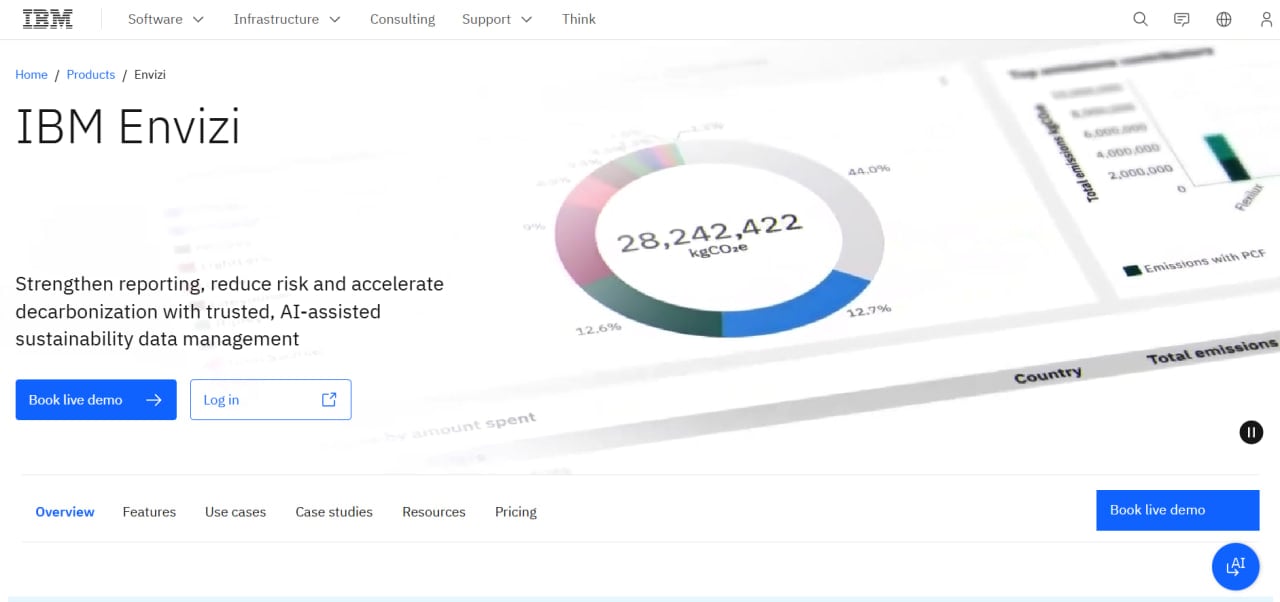
IBM Envizi is a cloud-based Software-as-a-Service (SaaS) platform that functions as an ESG data management and analytics suite. It falls into the category of Energy Management Systems (EMS) and ESG Reporting Software. The platform is built to handle the complex task of capturing, consolidating, and managing sustainability data across an entire organization’s footprint, including buildings, data centers, and supply chains.
The platform works by ingesting data from a variety of sources—such as smart meters, building management systems (BMS), and financial ERPs—and applying a robust calculation engine to determine greenhouse gas (GHG) emissions. As part of the IBM ecosystem, Envizi leverages high-level trust signals, including integration with IBM Maximo for asset management and IBM TRIRIGA for facilities management. It supports all major reporting frameworks, such as CSRD, GRI, and SASB, making it a standard tool for global compliance.
Features
- Automated Data Capture: Automatically ingests data from utility providers, smart meters, and ERP systems to reduce manual entry errors and save administrative time.
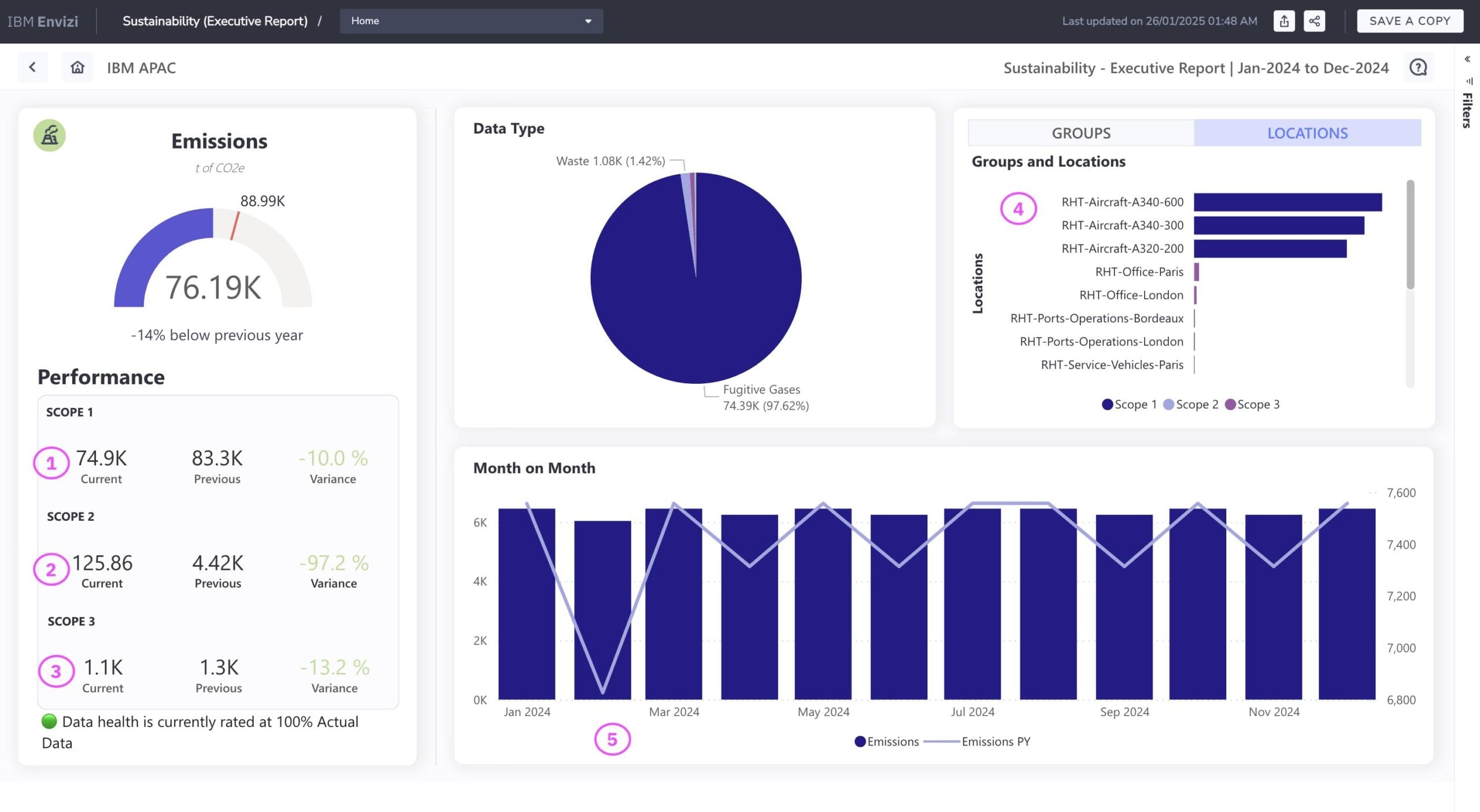
- Emissions Management: Uses a comprehensive engine with tens of thousands of emission factors to calculate Scope 1, 2, and 3 emissions accurately for regulatory disclosures.
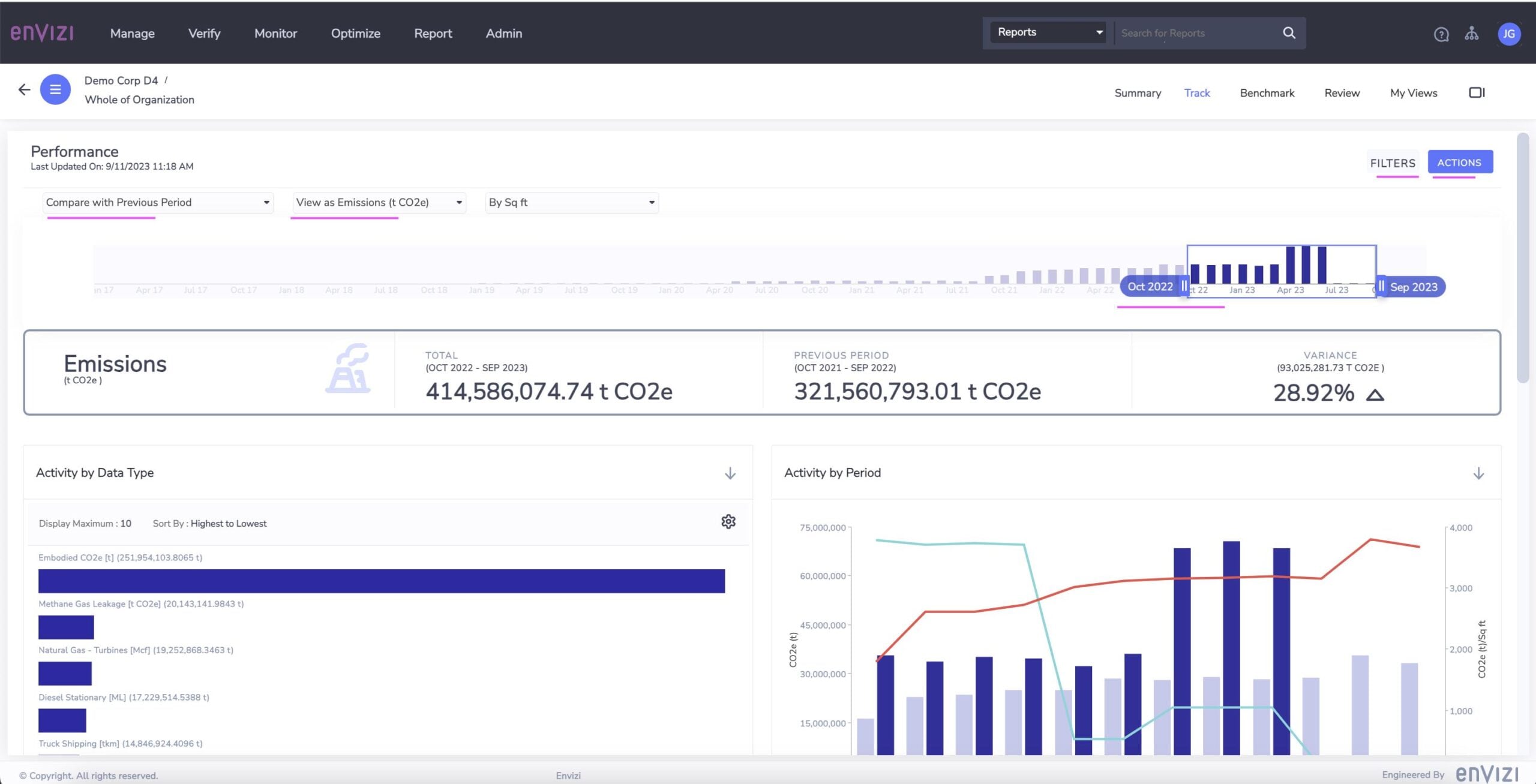
- Energy Benchmarking: Allows facility managers to compare energy performance across different sites, identifying high-energy-intensity locations that require efficiency upgrades.
- ESG Reporting Frameworks: Provides pre-built templates for major global frameworks, ensuring that sustainability reports are audit-ready and compliant with current laws.
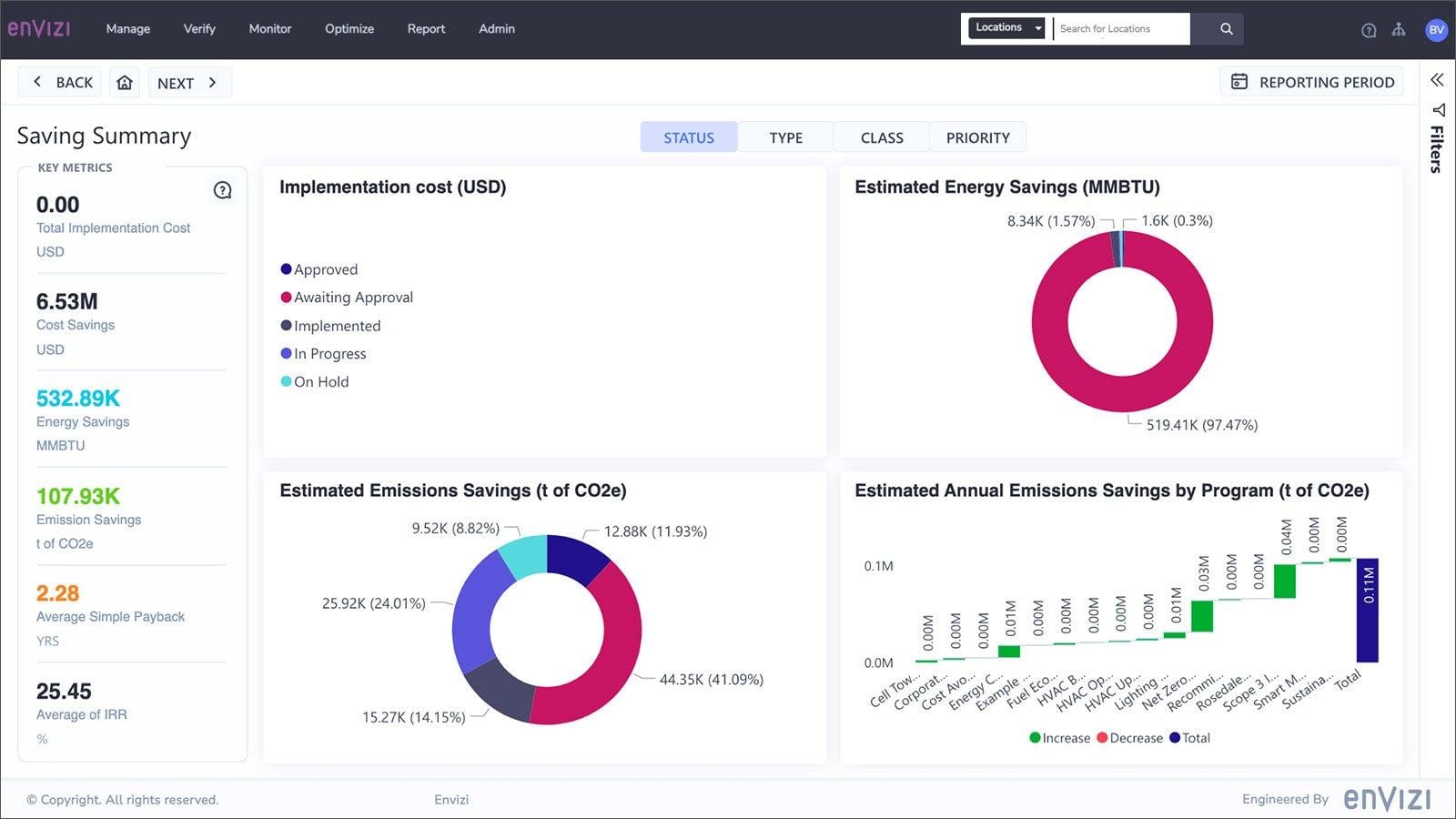
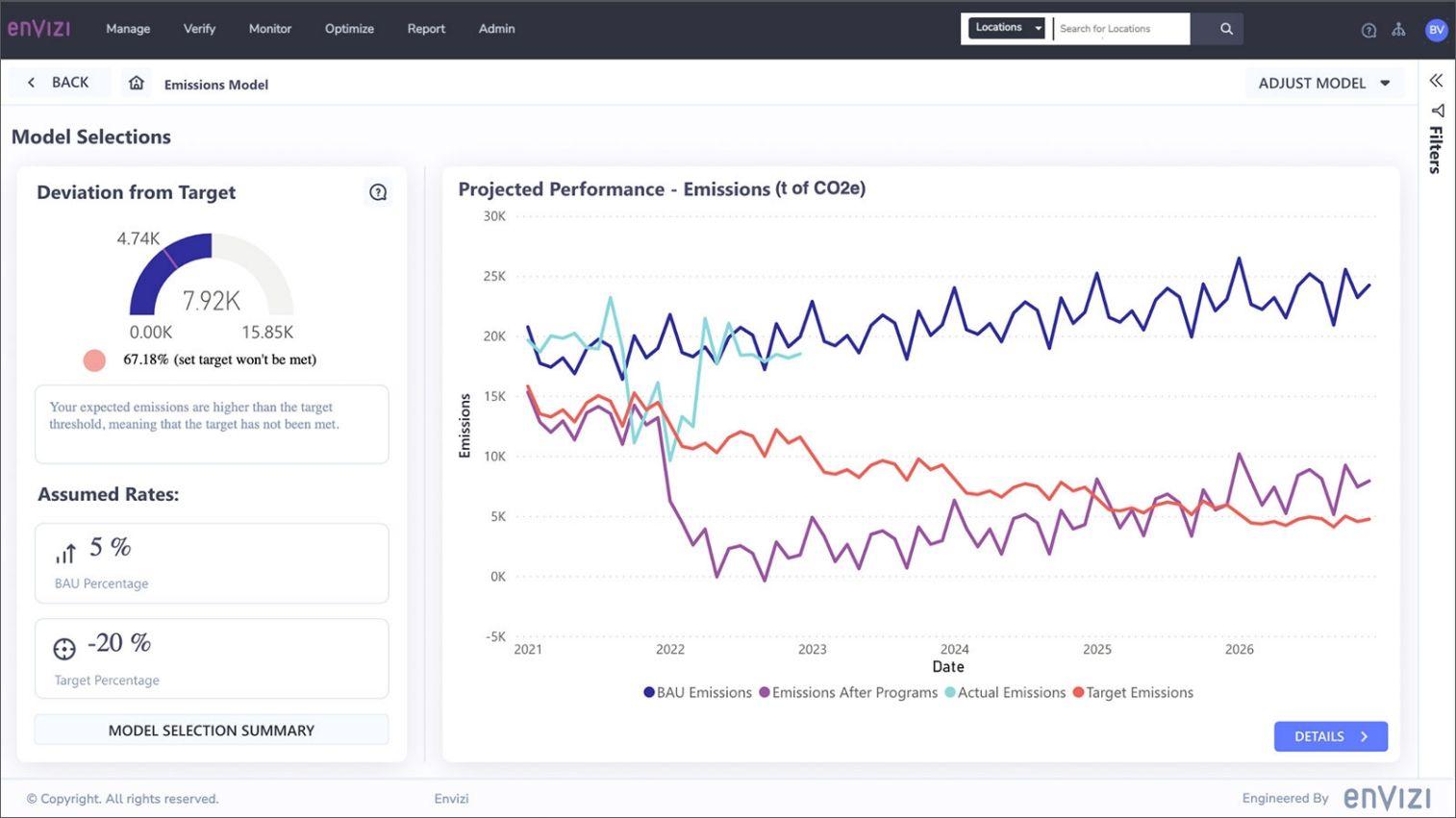
- Decarbonization Planning: Features tools for scenario modeling and project tracking, helping teams forecast the impact of renewable energy investments or building retrofits.
- Supply Chain Intelligence: Analyzes supplier data to manage Scope 3 emissions, giving companies visibility into the environmental impact of their broader value chain.
- Natural Language Queries: Integrates with AI assistants to allow users to ask questions about their sustainability data in plain English and receive contextual answers.
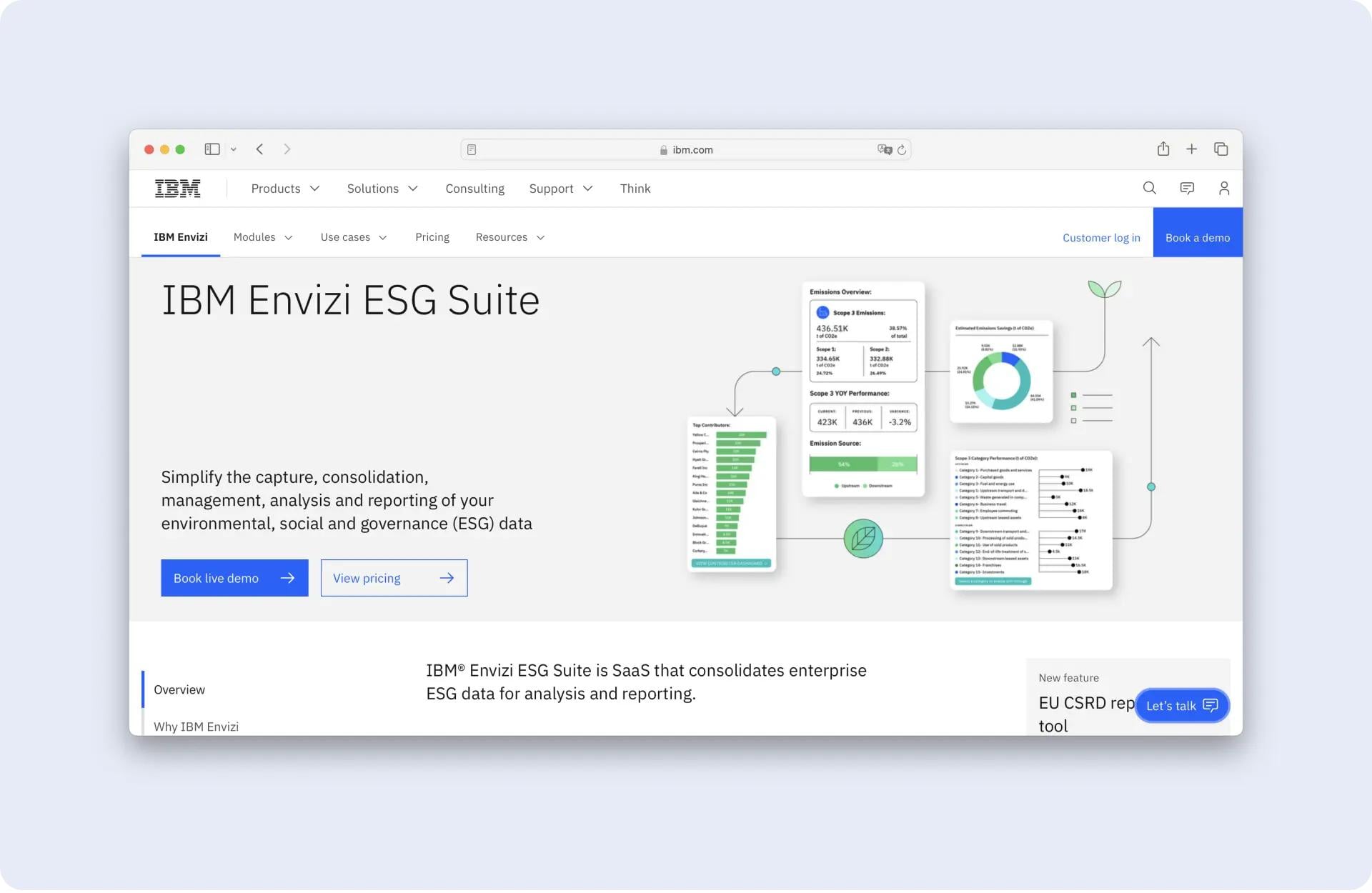
Screenshots
IBM Envizi Pricing
IBM Envizi pricing is not publicly listed on the main product website as a flat rate, but third-party marketplace data and IBM’s estimator tools provide a clear picture of the structure. The software typically operates on a subscription-based model tailored to the volume of data managed.
- Free Trial/Demo: IBM offers a free interactive demo and a pricing estimator to help users generate a quote without initial contact.
- Tiered Plans: Pricing is often grouped into Essentials (up to 1,000 accounts), Standard (up to 5,000 accounts), and Premium (over 5,000 accounts) tiers.
- Starting Costs: Public listings on marketplaces like CDW and G-Cloud have shown entry-level 12-month contracts starting at approximately $30,000, though this varies significantly by region and scale.
- Usage-Based Add-Ons: Fees can be influenced by the number of “”AppPoints”” used within the IBM suite or the number of API calls required for external data synchronization.
- Custom Quotes: For enterprise-scale deployments, IBM requires users to contact its sales department for a customized quote based on specific organizational boundaries and data sources.
Integrations
IBM Envizi features an open architecture designed to connect with both IBM-native products and third-party systems.
Asset and Facility Management
- IBM Maximo: Integrates asset health and maintenance data with sustainability metrics.
- IBM TRIRIGA: Connects real estate and facility management workflows.
Data Synchronization and APIs
- Envizi Integration Hub: Facilitates the flow of ESG data from various external sources.
- Custom APIs: Supports the retrieval of account or meter data from external cloud platforms.
IT and Business Systems
- IBM Turbonomic: Integrates “”Green IT”” data to monitor data center energy efficiency.
- ERP Integrations: Connects with major systems like SAP, Oracle, and Microsoft Dynamics to capture financial and utility data.
How to Set Up IBM Envizi
- Audit and Map Data: Work with an IBM specialist to identify all internal and external data sources, including utility accounts and IoT sensors.
- Subscription and Account Creation: Purchase the appropriate license tier (Essentials, Standard, or Premium) and set up the administrative workspace.
- Configure Organizational Hierarchy: Define the sites, regions, and business units within the platform to match your company’s structure.
- Establish Data Pipelines: Use the Integration Hub or API connectors to link your utility providers and ERP systems to the Envizi platform.
- Validate and Tag Data: Run initial data health checks to ensure information is being captured accurately and tagged with the correct metadata.
- Customize Dashboards: Set up specific Energy Performance Indicators (EnPIs) and reporting widgets for different stakeholders.
How to Use IBM Envizi
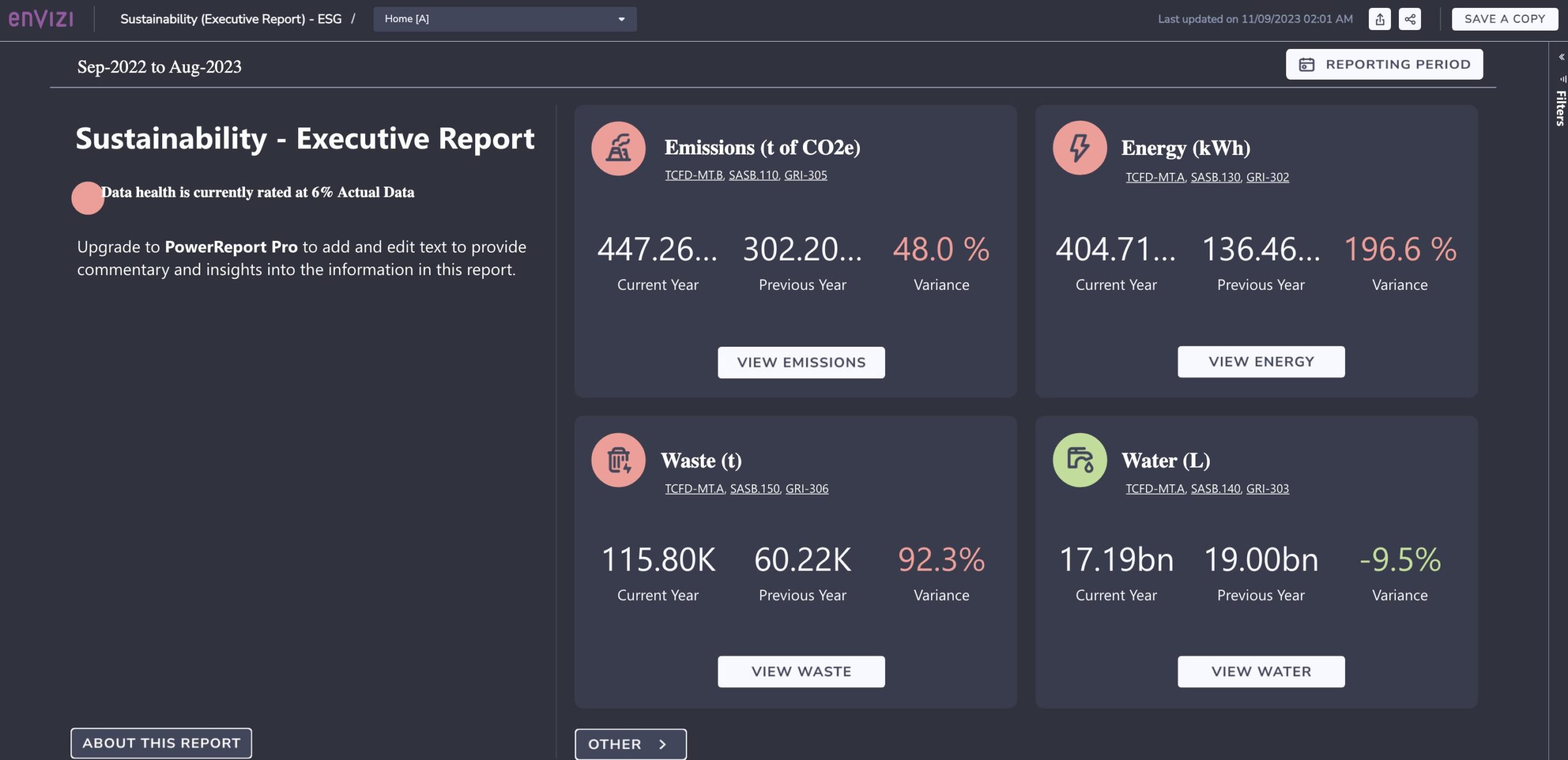
The daily workflow in IBM Envizi centers on monitoring the automated data feeds and addressing any gaps identified by the data health tracker. Users typically log in to view the executive dashboard, which provides a high-level summary of energy consumption and carbon footprint trends. If the system flags an anomaly in utility billing, the user can drill down into specific meter data to investigate the cause.
Sustainability teams use the platform to generate quarterly or annual reports by selecting the relevant framework template (e.g., GRI or CSRD). The software automatically aggregates the necessary data, calculates the emissions, and provides an audit trail. Facility managers use the benchmarking tools to identify the least efficient buildings in their portfolio, allowing them to prioritize maintenance or retrofitting projects based on actual performance data rather than estimates.
What You Can Manage with IBM Envizi
- Energy Portfolios: Consolidated views of energy usage, costs, and intensity across multiple facilities.
- GHG Accounting: Audit-ready records of Scope 1, 2, and 3 carbon emissions.
- Compliance Reports: Documents formatted for regulatory disclosures and ESG frameworks.
- Decarbonization Projects: Tracked progress of sustainability initiatives and their financial ROI.
- Utility Billing Records: A single digital record for all electricity, gas, and water invoices.
- Supply Chain Data: Environmental performance metrics from third-party vendors.
FAQs
What does IBM Envizi do?
IBM Envizi is a comprehensive software suite that automates the collection, analysis, and reporting of ESG and energy data. It helps organizations manage their environmental impact, calculate carbon footprints, and meet global sustainability reporting requirements.
Who is IBM Envizi best for?
The platform is designed for large enterprises and multi-site organizations that struggle with complex, fragmented sustainability data. It is particularly valuable for ESG officers, energy managers, and finance teams who need audit-ready environmental disclosures.
Is IBM Envizi free?
No, IBM Envizi is a premium enterprise product and does not offer a permanent free version. However, IBM provides an interactive demo and online tools to help potential customers estimate costs before purchasing.
How much does IBM Envizi cost?
Pricing is typically based on the volume of data accounts and the specific modules required, with annual contracts often starting around $30,000. For accurate figures, organizations must use the IBM pricing estimator or contact a sales representative for a custom quote.
What are the main limitations of IBM Envizi?
The primary limitations include a high price point and a complex implementation phase that may require external consultants. Additionally, its extensive feature set can lead to a steep learning curve for teams used to simpler tools.
What are the best alternatives to IBM Envizi?
Top competitors in the ESG and energy management space include Schneider Electric EcoStruxure, Enablon, Workiva, and specialized platforms like Diligent (formerly Accuvio) or Sphera.