CPower Energy Management
Pros
- Large-scale national reach with expertise across major North American energy markets, including PJM, ISO-NE, NYISO, ERCOT, MISO, and CAISO.
- Performance-based model typically requires no upfront capital investment for the software platform.
- Proven track record with more than $1.4 billion in payments delivered to customers since 2015.
- AI-powered optimization helps identify the most lucrative opportunities among competing utility and market programs.
- Strong sustainability focus by reducing the need to activate fossil-fuel-intensive peaker plants.
- Comprehensive support covering engineering audits, regulatory compliance, and 24/7 dispatch operations.
Cons
- Pricing and revenue-sharing percentages are not publicly disclosed and require a consultation.
- The complexity of VPP participation may create a learning curve for facility staff.
- The platform’s primary value is limited to organizations with significant flexible loads or onsite generation assets.
- Integration with older building systems may require additional hardware or gateway installations.
Businesses and industrial facilities often possess untapped energy potential in the form of backup generators, battery storage, and flexible operational loads. CPower Energy Management addresses the challenge of connecting these decentralized assets to energy markets, allowing organizations to transform their energy flexibility into a consistent revenue stream. By aggregating these resources into virtual power plants (VPPs), the platform helps stabilize the electrical grid while reducing carbon footprints.
Choosing a demand-side management partner is a strategic decision for large energy users looking to offset rising utility costs. CPower is frequently considered because of its national reach across major North American energy markets and its specialized expertise in navigating complex regulatory environments. This review explores the platform’s core features, its role in the VPP landscape, and the practical steps required for organizations to begin participating in grid services.
What Is CPower Energy Management?
CPower Energy Management is a leading virtual power plant and distributed energy resource (DER) monetization provider. It falls under the categories of Energy Management Systems and Demand Response services. The platform is designed for large energy consumers, including commercial and industrial businesses, manufacturers, data centers, healthcare organizations, and public institutions.
At its core, CPower connects customer-sited energy assets—such as HVAC systems, lighting, onsite generation, and battery storage—to wholesale energy markets and utility programs. When the grid faces peak demand or instability, CPower coordinates these resources to reduce strain and pays participants for their flexibility.
Trust signals include CPower’s management of more than 6.7 GW of capacity across over 27,000 sites in the United States and its recognition in the Software and Cloud category at the 2026 Environment+Energy Leader Awards.
Features
- VPP platform integration: Connects distributed energy resources, such as battery storage and backup generators, into a unified network that can respond to real-time grid signals.
- Demand Response management: Automates the process of reducing or shifting energy usage during peak periods, allowing businesses to earn incentives without manually monitoring market fluctuations.
- EnerWise Site Optimization: Uses artificial intelligence to maximize the earning potential of DERs by simultaneously evaluating opportunities across multiple energy markets and utility programs.
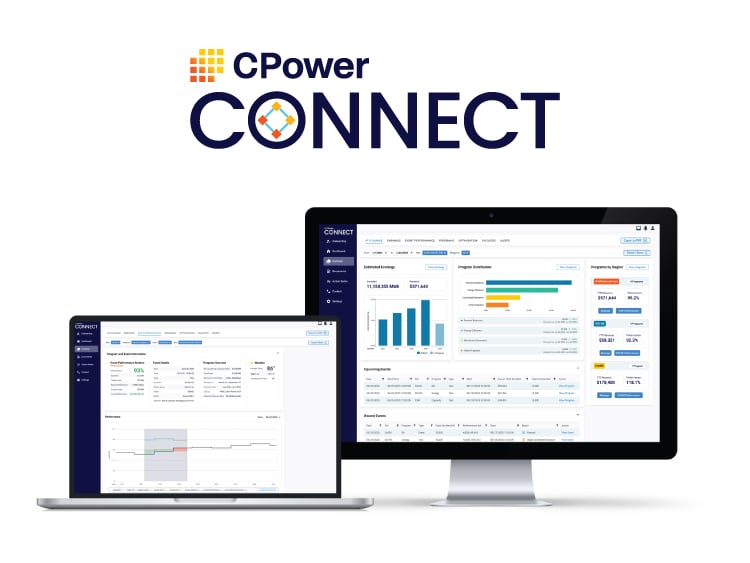
- Real-time monitoring and reporting: Provides a dashboard for tracking energy usage, load curtailment performance, and historical data to help ensure compliance with program requirements.
- Grid service participation: Provides access to complex capacity, ancillary service, and energy imbalance markets that are typically difficult for individual businesses to navigate independently.
- Carbon footprint reduction tracking: Helps organizations quantify the environmental impact of their participation and support corporate sustainability goals by reducing reliance on high-emission peaker plants.
Screenshots
CPower Energy Management Pricing
Pricing is not publicly listed. The company generally operates on a performance-based or revenue-sharing model rather than charging a traditional software subscription fee.
CPower typically earns a portion of the revenue generated through energy market participation, which means there may be no upfront cost for the software itself. Organizations should contact CPower for a custom assessment of their energy assets, potential revenue, and applicable commercial terms.
Integrations
Public integration details are limited because the platform primarily connects through industrial hardware and specialized energy market protocols. Confirmed technical capabilities include:
- API and webhooks: CPower Link is an application programming interface that connects with existing building automation systems and controls to facilitate Automated Demand Response (ADR).
- Hardware integrations: Connects directly to energy meters and onsite gateways to collect real-time power usage information.
- Grid operator interfaces: Maintains direct technical connections with Independent System Operators (ISOs) for bidding flexible loads into day-ahead and real-time markets.
How to Set Up CPower Energy Management
- Book a discovery meeting with a CPower consultant to assess your facility’s energy assets and flexible loads.
- Review a customized proposal outlining potential revenue projections and recommended grid programs.
- Execute a service agreement and complete the enrollment process with the relevant utility or grid operator.
- Install any necessary hardware, such as meters or gateways, to enable real-time data communication.
- Configure the digital workspace and integrate it with building controls through the CPower Link API if automated response is required.
- Perform a test curtailment to verify that the system is ready for active market participation.
How to Use CPower Energy Management
The daily workflow involves monitoring the CPower dashboard to view real-time energy consumption and current market conditions. Facility managers use the platform to receive notifications about upcoming demand response events, which are typically triggered by grid stress or high electricity prices.
During a dispatch event, the facility manager or automated system executes a predefined load-reduction strategy. This may involve dimming lights, adjusting HVAC settings, reducing industrial loads, or switching to onsite battery power.
After the event, users can log in to the portal to review performance data and confirm how much energy was reduced. Monthly or quarterly, managers can export financial reports to track the revenue earned through participation and identify additional energy optimization opportunities.
What You Can Manage with CPower Energy Management
- Energy dashboards: Interactive visual summaries of real-time load and historical curtailment performance.
- Revenue reports: Detailed documentation of earnings from demand response and grid service programs.
- Load curtailment schedules: Calendars and logs covering active dispatch events and planned energy shifts.
- DER portfolios: A centralized view of connected assets such as batteries, EVs, and backup generators across multiple sites.
- Sustainability metrics: Data reflecting the CO2 emissions avoided through grid stabilization activities.
- Market insights: Information about pricing trends and regulatory changes that may affect energy management decisions.
FAQs
What does CPower Energy Management do?
CPower is a virtual power plant platform that helps large energy users earn money by reducing or shifting their electricity consumption during periods of grid stress. It connects a facility’s energy-consuming equipment and onsite power sources to energy markets, providing the software and expertise required to monetize energy flexibility.
Who is CPower Energy Management best for?
The platform is best suited for large commercial, industrial, and institutional organizations with significant energy loads or distributed resources such as battery storage and backup generators. It is particularly useful for companies looking to reduce energy costs and support grid reliability without investing in entirely new infrastructure.
Is CPower Energy Management free?
CPower typically does not charge a traditional upfront software fee. Instead, the company generally operates under a revenue-sharing model and receives a percentage of the payments earned from grid participation.
This can make the service cost-neutral to start, but organizations should confirm the exact fees and contract terms during the consultation process.
What are the main limitations of CPower Energy Management?
The primary limitation is that an organization needs a meaningful level of energy flexibility or suitable onsite assets to benefit from the platform. This makes it less appropriate for small businesses with low or inflexible energy consumption.
Pricing and contract terms are also not standardized or publicly disclosed, so potential customers must complete a sales consultation before evaluating the total cost.
What are the best alternatives to CPower Energy Management?
Common alternatives in the demand response and VPP market include Enel North America, Voltus, and NRG. Businesses primarily focused on battery storage optimization may also consider platforms from Stem or Tesla.