Solytic
Pros
- Supports equipment from multiple manufacturers without requiring hardware replacement.
- Provides a single interface for monitoring diverse solar portfolios.
- Automated fault detection improves maintenance response times.
- Integrated ticket management streamlines service workflows.
- Scales effectively from residential systems to utility-scale portfolios.
- Cloud-based architecture simplifies deployment and ongoing maintenance.
- White-label functionality supports service providers and installers.
Cons
- Enterprise pricing is not publicly disclosed.
- Initial onboarding may require substantial data mapping for large portfolios.
- Advanced analytics are most valuable to users with technical solar expertise.
- Dependent on the quality and availability of source equipment data.
- Small system owners may find manufacturer-provided monitoring platforms sufficient for basic needs.
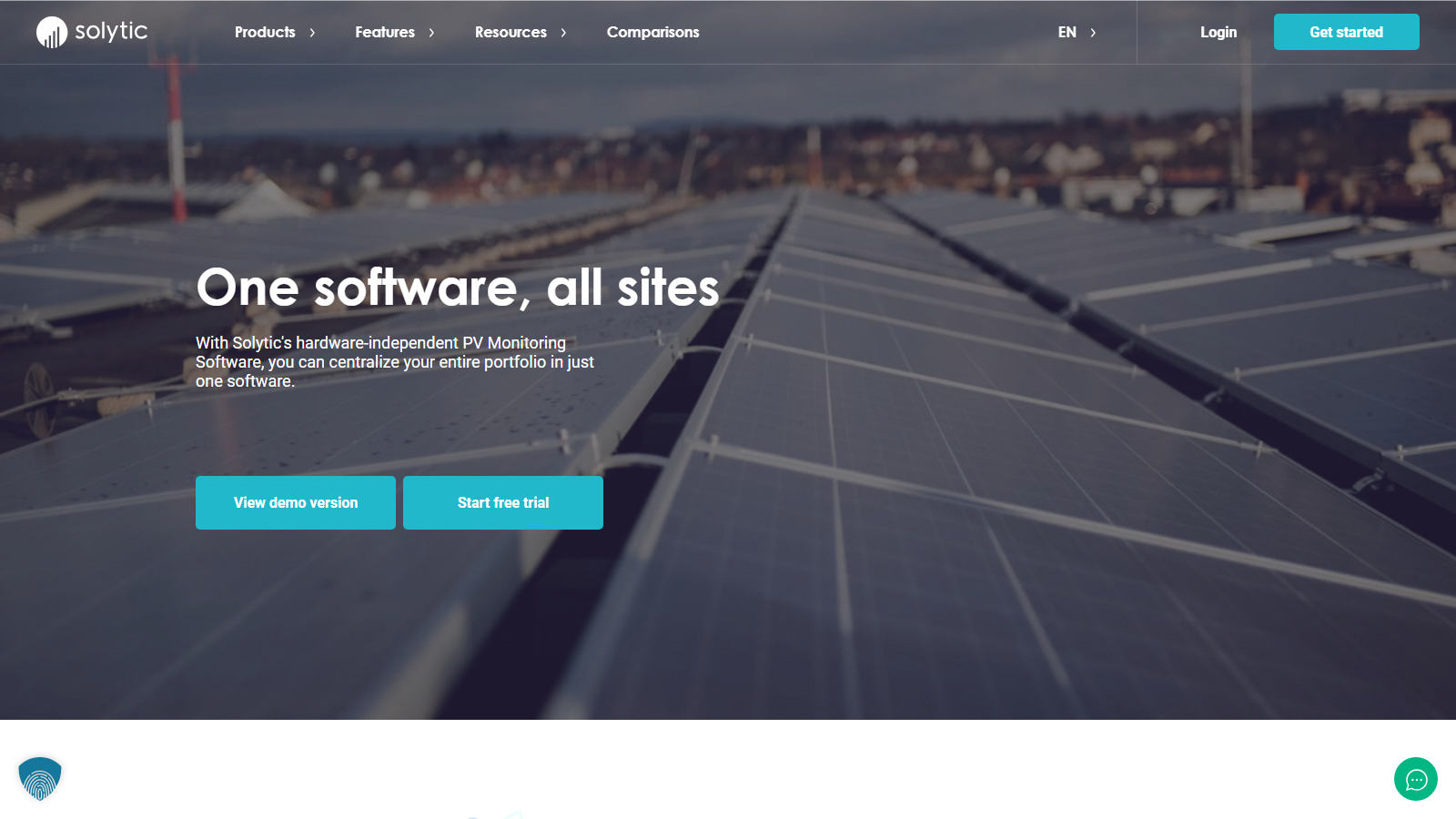
Managing solar assets across multiple manufacturers can become increasingly complex as portfolios grow. Different inverter portals, monitoring systems, and reporting formats often create operational inefficiencies and make it difficult for asset managers to maintain a clear overview of performance. Solytic addresses these challenges by providing a hardware-independent monitoring platform that consolidates solar asset data into a single cloud-based environment.
Designed for O&M providers, EPC contractors, asset managers, investors, and system owners, Solytic enables centralized monitoring, automated fault detection, maintenance management, and performance analytics without requiring additional hardware installations. The platform helps organizations improve operational efficiency, reduce downtime, and make informed decisions based on real-time performance data.
What Is Solytic?
Solytic is a cloud-based Solar Monitoring & Analytics platform that aggregates operational data from solar installations using equipment from multiple manufacturers.
The software connects directly to existing inverters, monitoring devices, and data loggers, collecting performance information and transforming it into actionable insights through dashboards, alerts, reports, and maintenance workflows. Solytic supports residential, commercial, industrial, and utility-scale solar portfolios and is widely used throughout the renewable energy industry.
Features
- Hardware Independence: Monitor equipment from more than 40 manufacturers within a single platform.
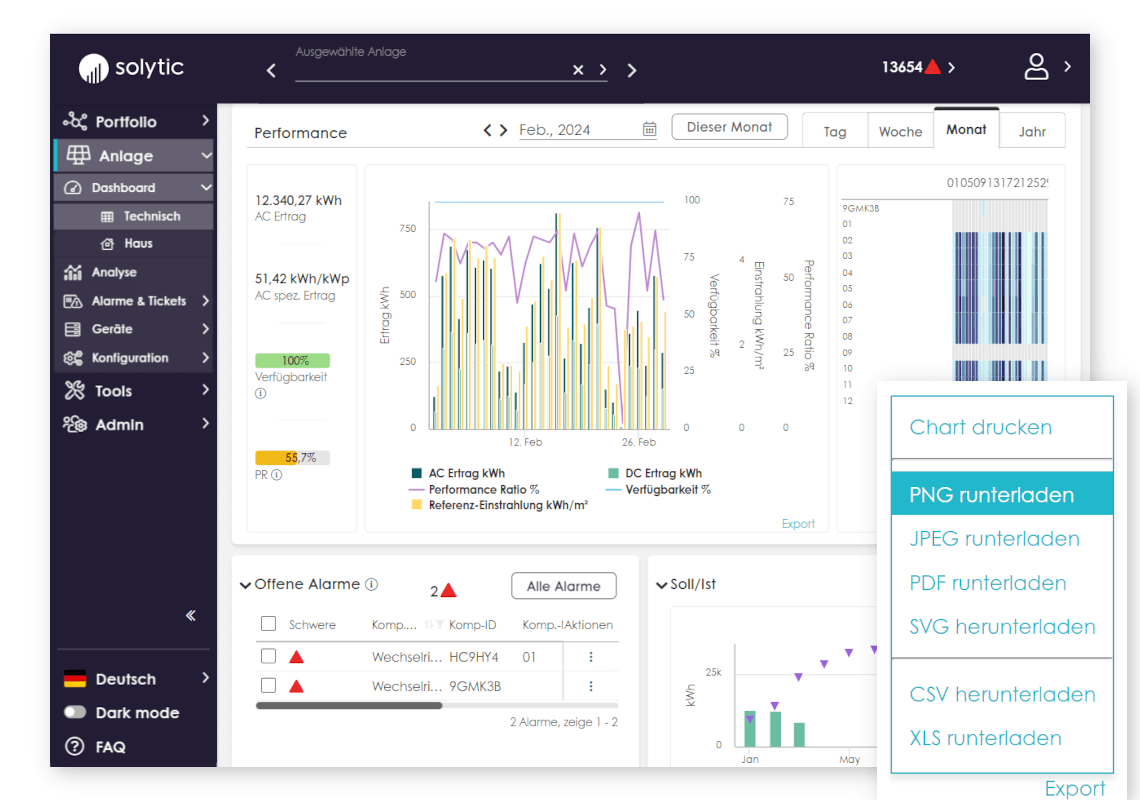
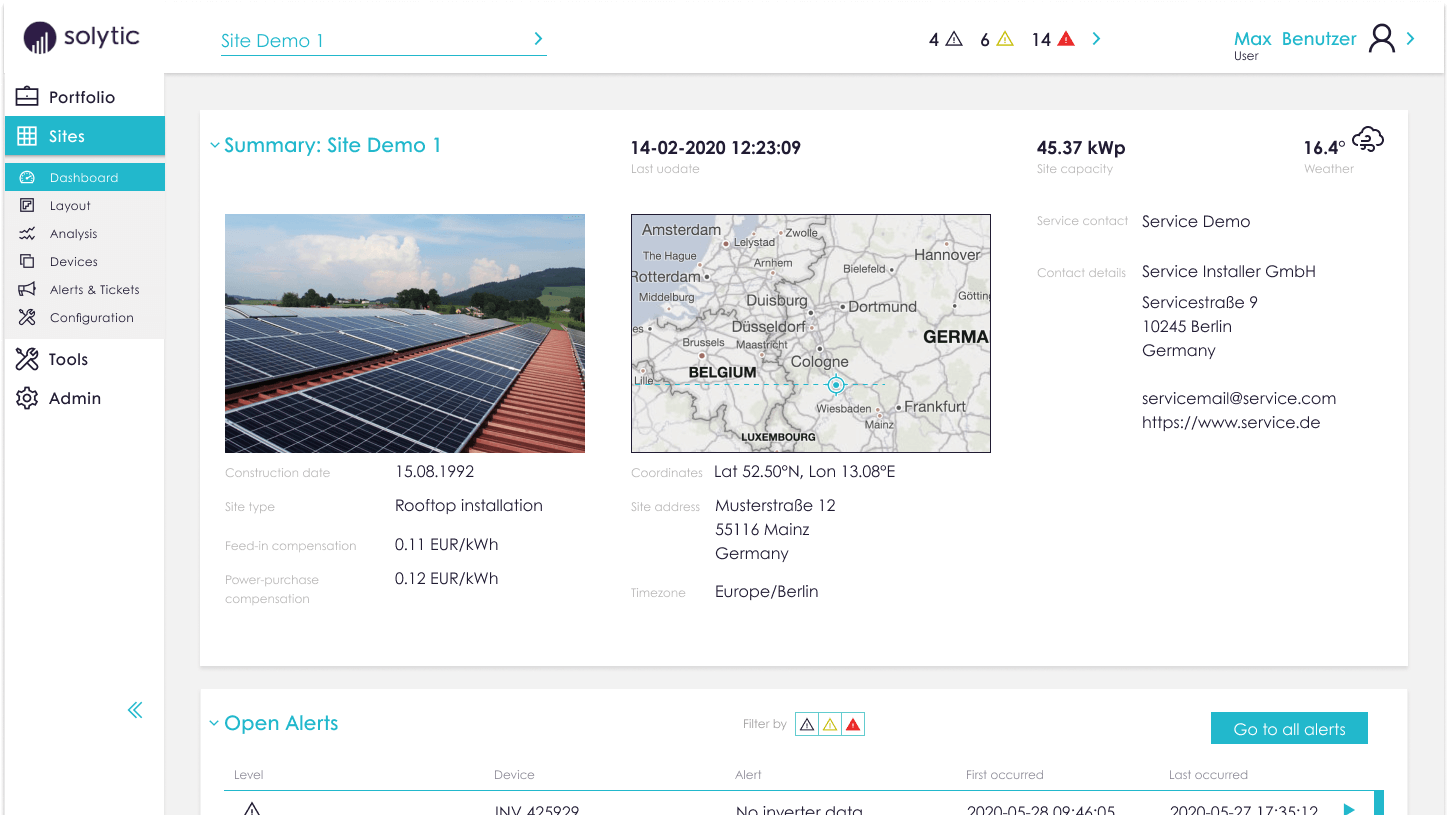
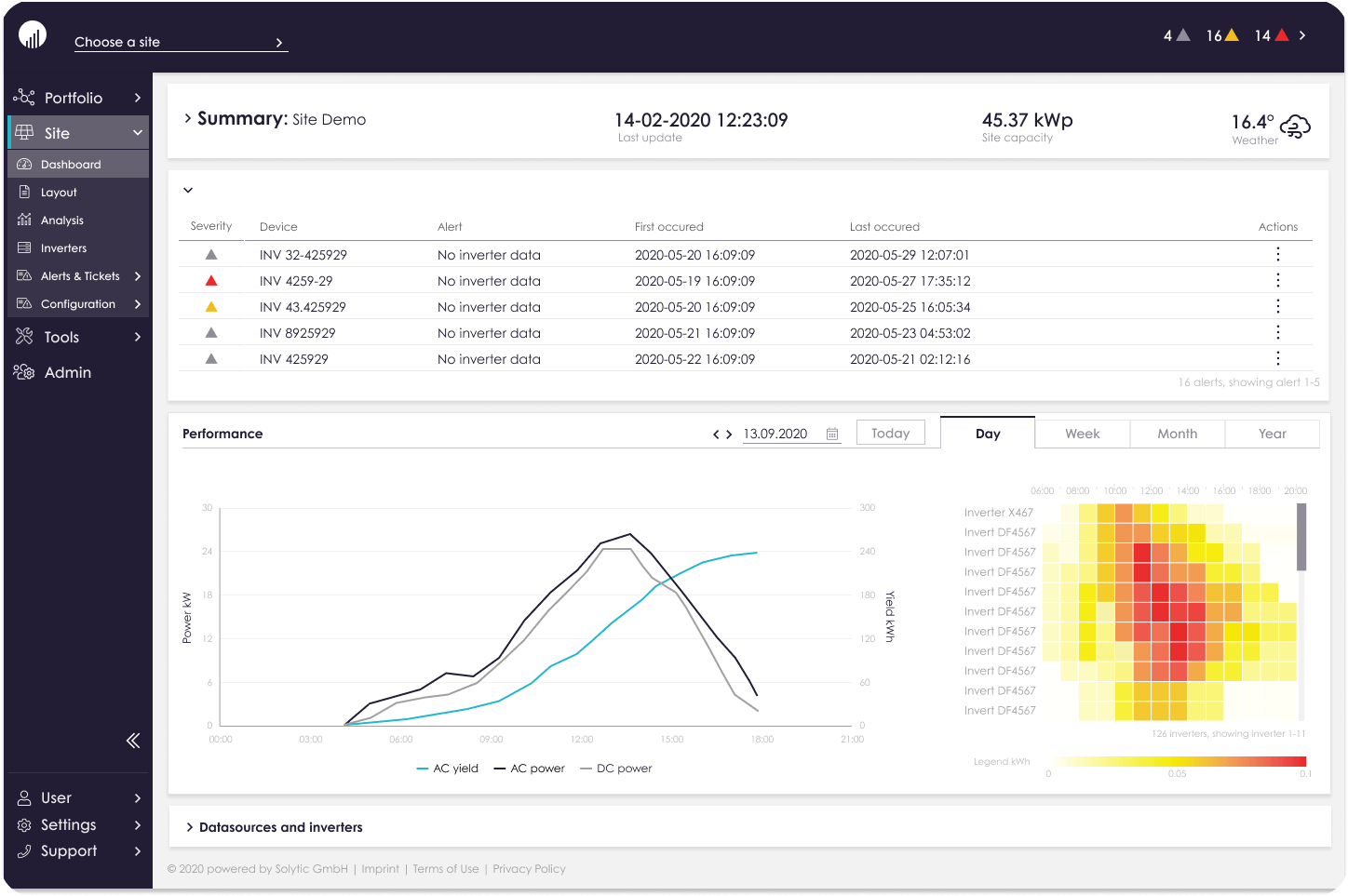
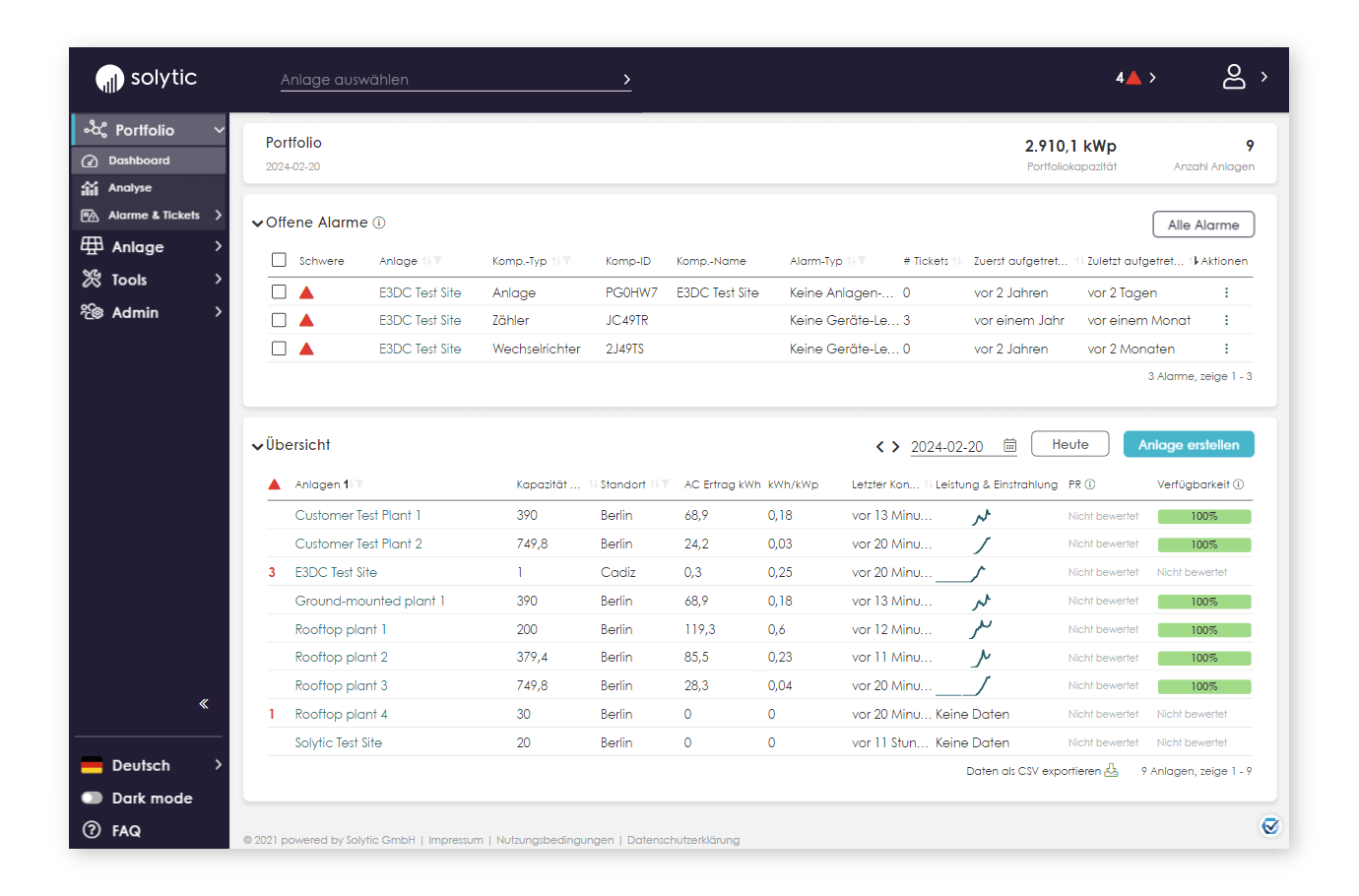
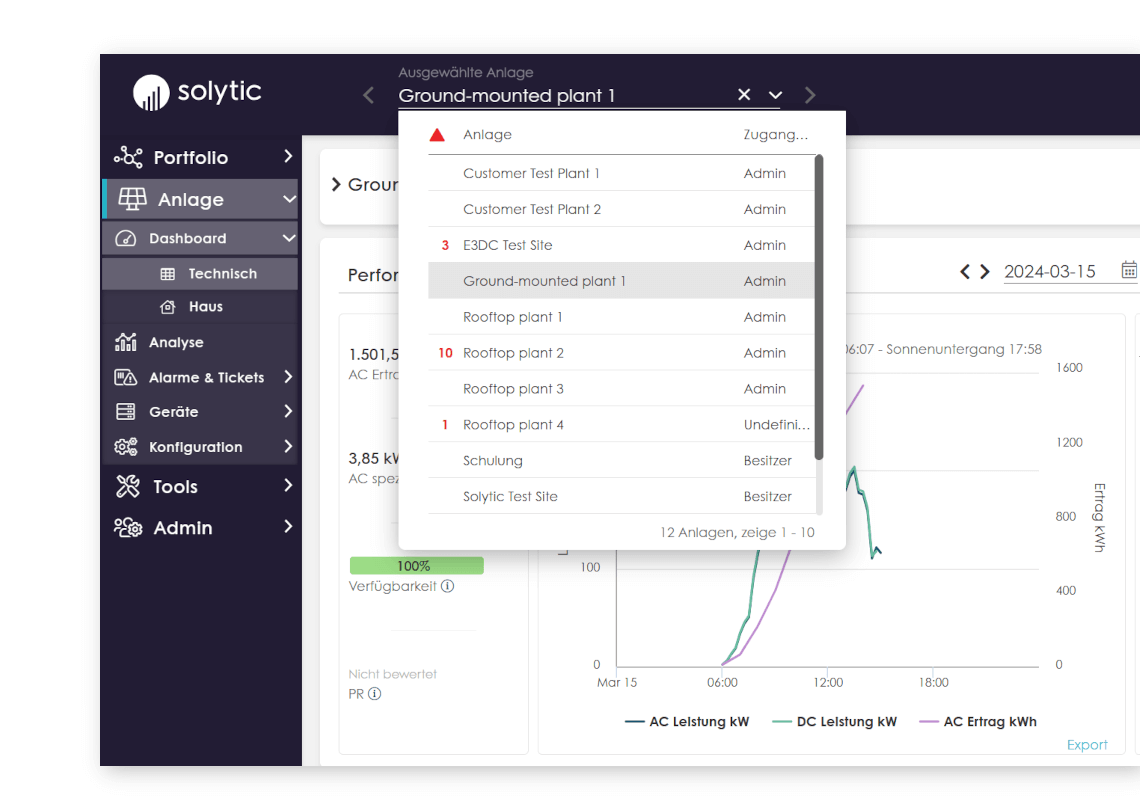
- Centralized Dashboard: View portfolio-wide performance, alerts, and operational status from one interface.
- Automated Fault Detection: Identify underperformance, outages, and equipment issues automatically.
- Integrated Ticketing System: Convert alarms directly into maintenance tickets and service workflows.
- Performance Analytics: Analyze KPIs, inverter-level performance, and historical production trends.
- Automated Reporting: Schedule and distribute customized performance reports to stakeholders.
- White-Label Capabilities: Deliver branded monitoring portals to customers and partners.
Screenshots
Solytic Pricing
Solytic offers several pricing options depending on system size, portfolio complexity, and support requirements.
- Free Trial: Evaluation periods are generally available for new customers.
- Monitoring Software Plan: Entry-level package focused on core monitoring functionality.
- Partner Plan: Designed for installers, service providers, and portfolio managers requiring advanced features.
- Enterprise Plan: Custom solutions for large portfolios with dedicated support and enhanced functionality.
- Residential Systems: Pricing for smaller installations often starts around €60 annually.
- Commercial and Utility Portfolios: Custom pricing based on capacity, number of sites, and support requirements.
Integrations
Solytic is designed to integrate with a broad range of solar hardware and business systems.
- SMA: Inverter and monitoring data integration.
- SolarEdge: Performance monitoring and asset management connectivity.
- Huawei: Inverter and plant performance data aggregation.
- Fronius: Monitoring integration for residential and commercial systems.
- API Access: Connect monitoring data with ERP, CRM, and business intelligence platforms.
- Webhooks: Real-time event notifications and workflow automation.
- Service Marketplace: Access maintenance and support services directly through the platform.
How to Set Up Solytic
- Register for a trial account or schedule a platform demonstration.
- Submit portfolio information for pricing and onboarding recommendations.
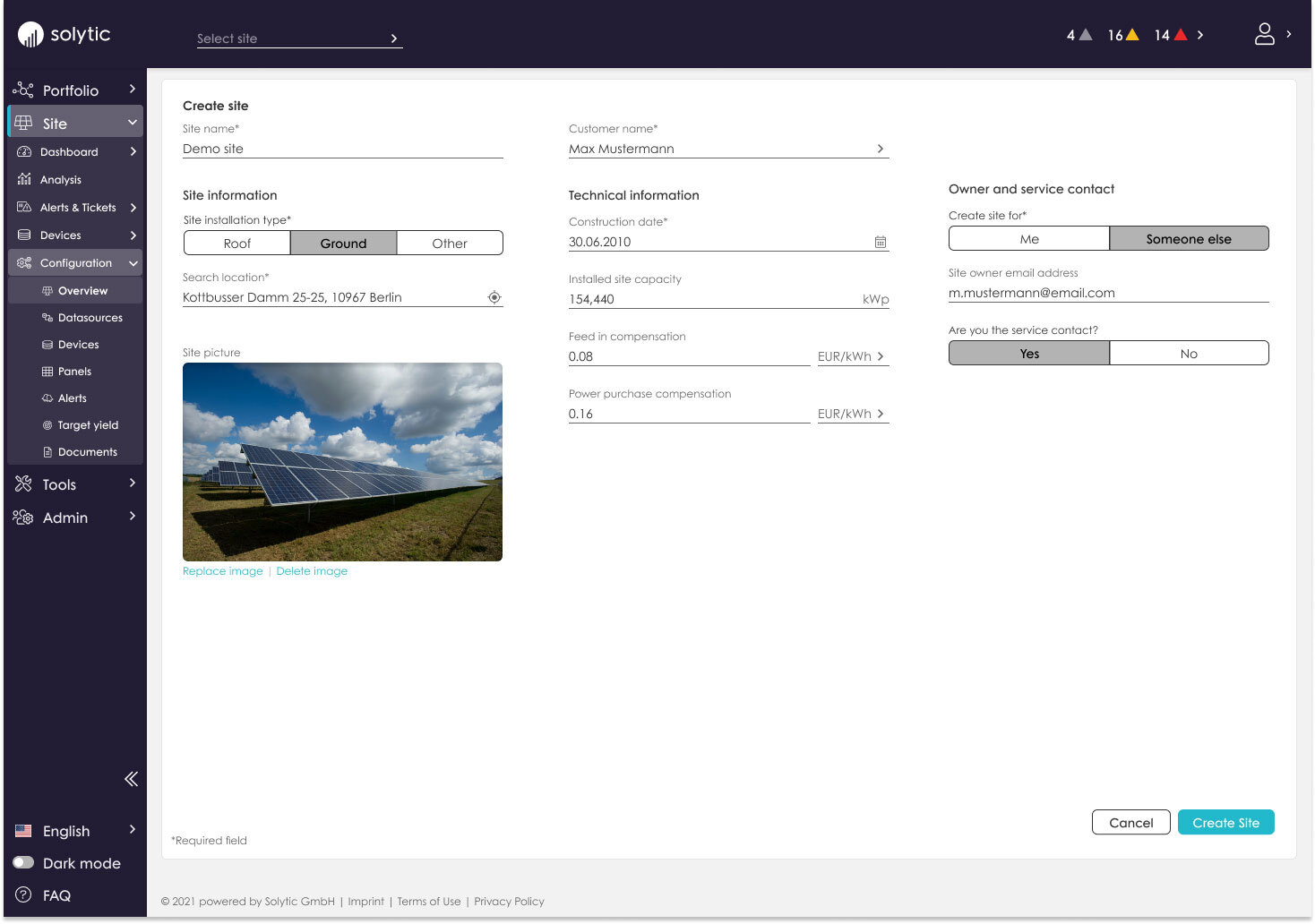
- Add solar sites using the platform’s self-onboarding tools.
- Connect existing inverter or logger accounts through supported integrations.
- Configure user roles, permissions, and portfolio structures.
- Customize alerts, dashboards, and reporting preferences.
How to Use Solytic
Users typically begin each day by reviewing the centralized dashboard, which highlights active alarms, performance anomalies, and system status across all monitored assets. The platform automatically groups related issues and prioritizes maintenance activities based on operational impact.
When faults are detected, operators can investigate performance data, generate maintenance tickets, and assign service tasks directly within the platform. Asset managers can also analyze historical production, compare site performance, and generate reports for investors, customers, and stakeholders.
What You Can Manage with Solytic
- Solar Portfolios: Monitor assets across multiple locations and manufacturers.
- Maintenance Workflows: Track service tickets from creation through resolution.
- Performance Reports: Generate automated production and health reports.
- User Access: Manage permissions for technicians, customers, and administrators.
- Alerts and Notifications: Configure fault detection and operational warnings.
- Asset Lifecycle Management: Monitor equipment performance and maintenance history.
FAQs
What does Solytic do?
Solytic is a cloud-based monitoring and analytics platform that centralizes solar performance data from multiple hardware manufacturers, helping users monitor assets, identify faults, and manage maintenance activities.
Who is Solytic best for?
It is designed for O&M providers, EPC contractors, asset managers, investors, commercial system owners, and organizations managing multiple solar installations.
Is Solytic free?
Solytic offers trial access and demonstrations, but its professional monitoring and portfolio management features are available through paid subscription plans.
How much does Solytic cost?
Residential systems often start around €60 per year, while commercial and utility-scale portfolios receive custom pricing based on project size and requirements.
What are the main limitations of Solytic?
The platform relies on accurate data from connected hardware, requires custom pricing discussions for larger portfolios, and may involve more complex onboarding for organizations managing diverse asset fleets.
What are the best alternatives to Solytic?
Popular alternatives include manufacturer-specific monitoring portals, Meteocontrol, Green Power Monitor, Solar-Log WEB Enerest, Power Factors, and other independent solar monitoring platforms.