Power Factors Unity
Pros
- Offers centralized management of renewable energy assets
- Real-time monitoring and performance tracking
- Strong forecasting and analytics tools
- Works at utility-scale across large portfolios
- Integrates solar and wind sources with storage systems
- Helps reduce downtime and improve efficiency
Cons
- Not suitable for small-scale users
- Pricing is not publicly listed
- Requires technical setup and onboarding
- Can be complex for beginners
If you are managing a diverse renewable energy portfolio, efficiency is the main concern. However, with fragmented management, you are likely to miss critical signals. Power Factors Unity fixes the issues by putting together these sources and storage systems into a single dashboard. This enterprise-grade solution helps those managing utility-scale systems move from reactive maintenance to proactive optimization.
What is Power Factors Unity?
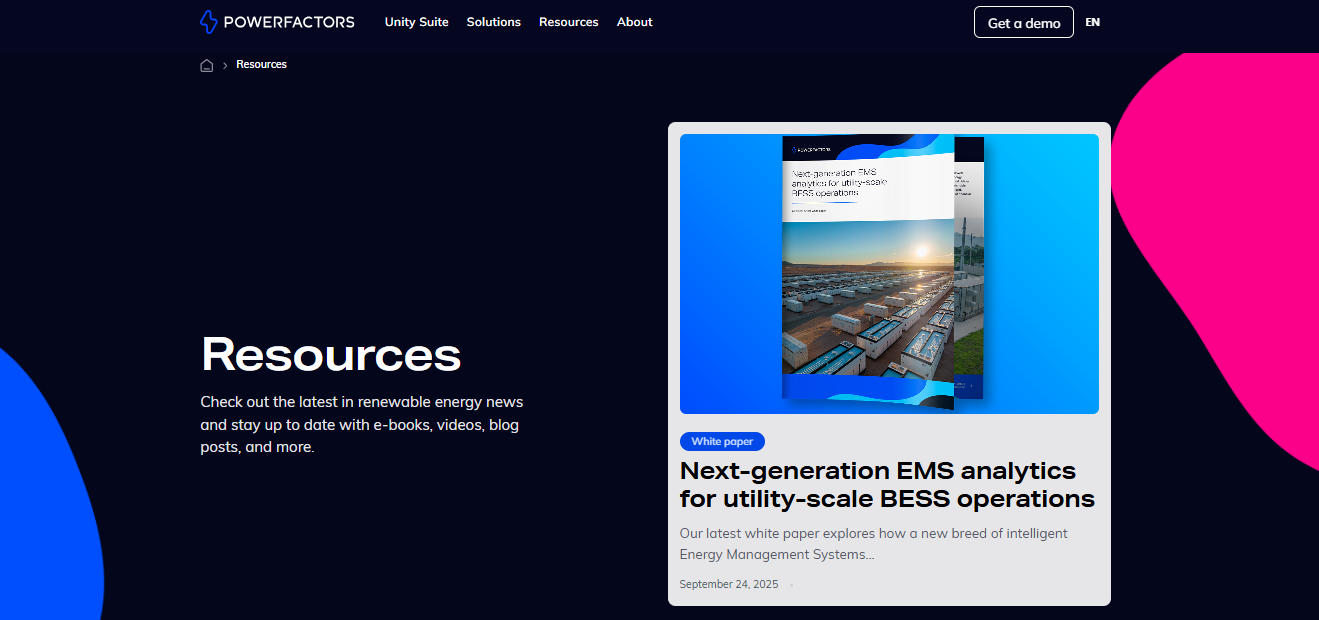
Power Factors Unity is a cloud-based renewable energy management platform. Companies use it to monitor, control, and optimize energy assets in solar farms, wind farms, and battery storage systems.
The software is built for independent power producers, utilities, and large energy operators. It puts all energy assets into a dashboard so that teams can detect issues, track performance, and improve their output.
Unity uses real-time data and forecasting tools to improve decision-making and reduce downtime. Operators can also control multiple assets in one system.
Features
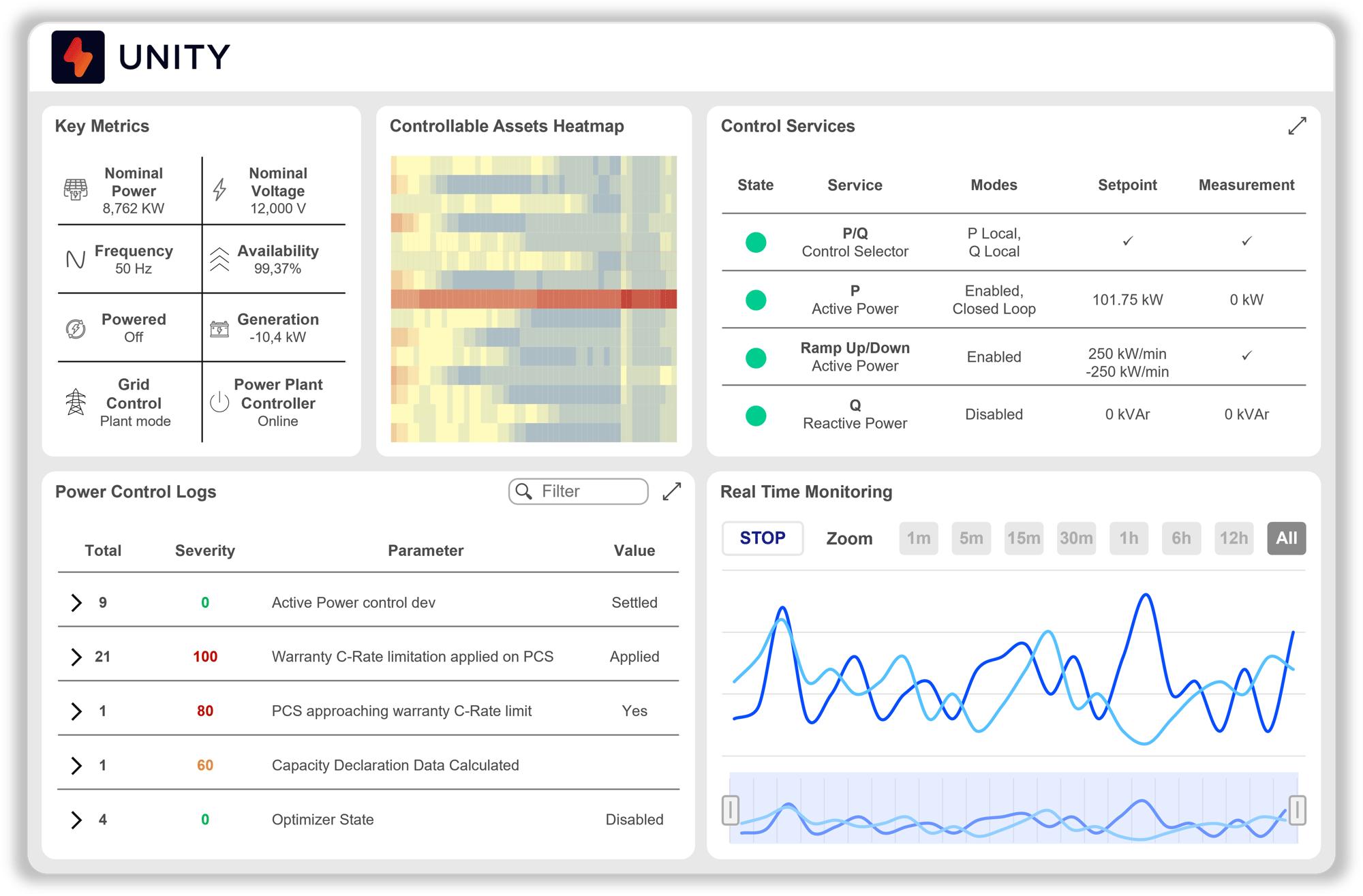
Power Factors Unity provides visibility, control, and optimization of multiple renewable energy systems. Here are the main features.
Smart Asset Monitoring
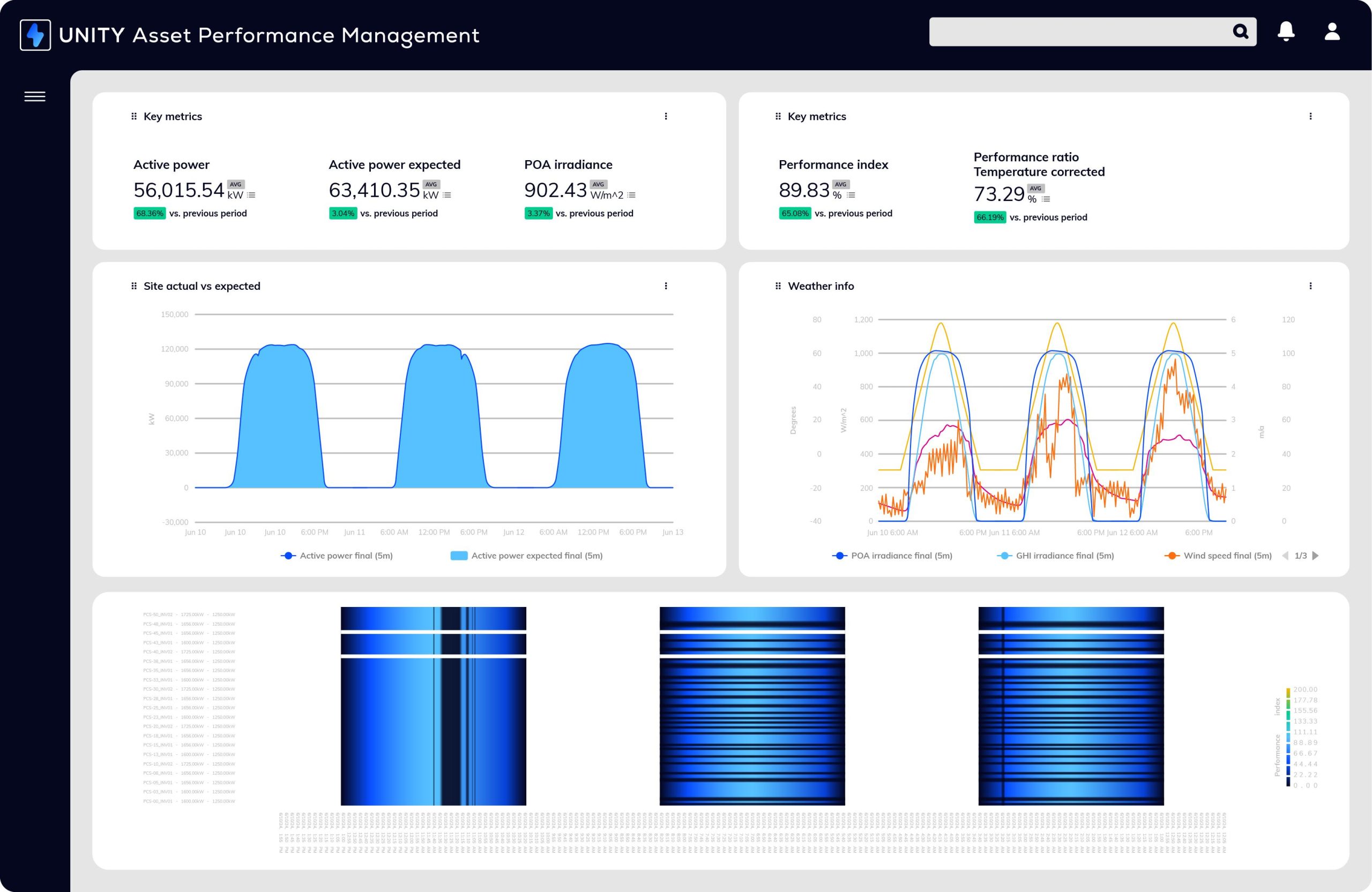
You can track the performance of solar and wind systems in real time. The system also checks power storage levels. Eventually, you are able to see the total energy output, health, and efficiency in all sites.
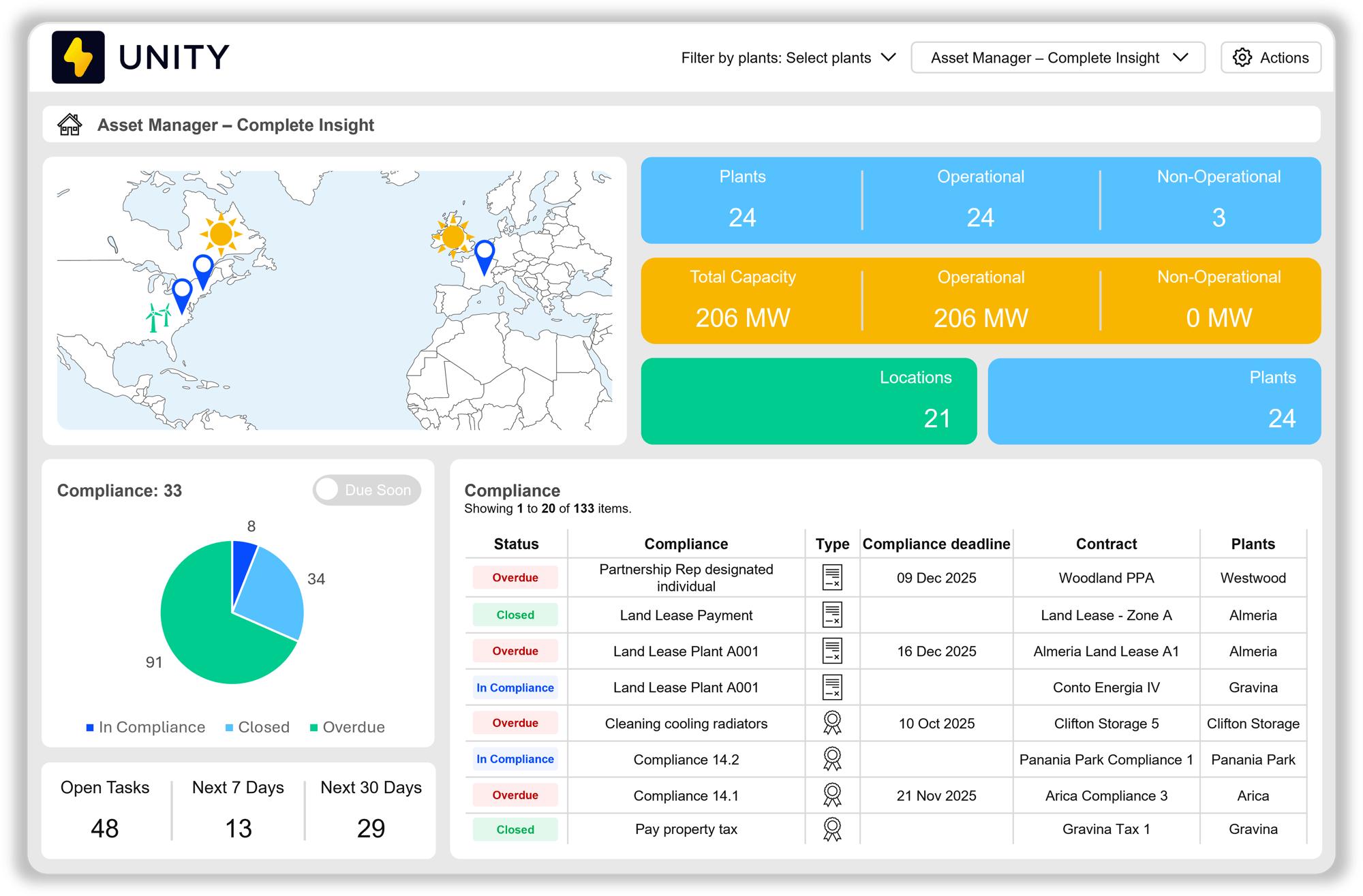
Centralized Operations Dashboard
Unity offers a single dashboard to manage a distributed system without switching between platforms.
Fault Detection and Alerts
This system detects performance breakdowns and equipment faults. It then alerts the relevant teams to respond to the matter quickly.
Energy Forecasting
Unity uses weather data and historical trends to predict energy production. This helps operators plan energy supply and balance demand.
Reporting and Analytics
You can generate reports on energy production, fault history, asset efficiency, and financial performance. This helps in forecasting and investment planning.
Portfolio Management
Operators can manage multiple renewable sites in one platform. This is useful for companies with distributed energy assets.
Grid Integration Support
Unity helps coordinate energy production with grid requirements. It supports stable energy delivery and compliance with utility systems.
Screenshots
Power Factors Unity Pricing
Power Factors Unity does not have fixed public pricing. It uses a custom enterprise pricing model based on project needs. Customers receive pricing after consultation or a product demo.
Pricing depends on:
- Number of energy assets managed
- Type of systems (solar, wind, storage)
- Data volume and monitoring requirements
- Level of support and customization
Integrations
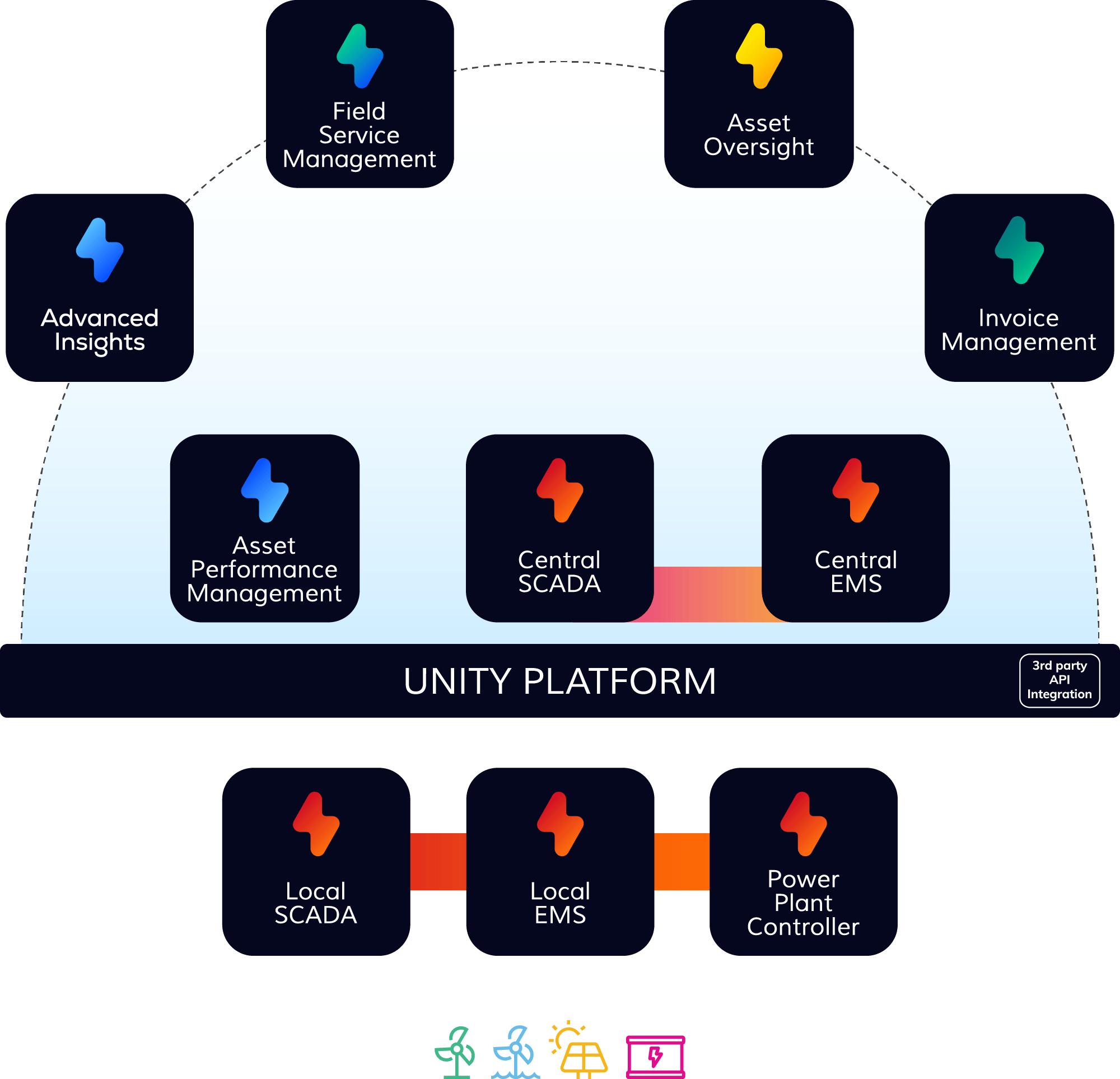
Unity integrates with multiple energy and enterprise systems to improve workflow and data accuracy.
- SCADA systems: It is linked to plant control systems and provides real-time monitoring and control of energy production.
- Weather data systems: It applies weather data to enhance solar and wind output forecasting accuracy.
- Energy trading platforms: Helps operators manage energy sales and market participation.
- Grid management systems: Supports coordination with utility grids for stable energy distribution.
- API-based enterprise tools: It offers custom integrations with internal software and reporting tools.
How to Set Up Power Factors Unity
Using Power Factors Unity is pretty straightforward. Do the following:
1. Request a Demo
Contact Power Factors and request a Unity demo. The team evaluates your operational and portfolio requirements.
2. Consultation and Onboarding
Power Factors reviews your renewable energy assets, monitoring needs, and integration requirements before deployment. Its team will then create an account for you.
3. Configure Portfolio
Add renewable energy sites, storage systems, and connected assets into the platform.
4. Connect Business Systems
Integrate external systems like SCADA platforms, sensors, weather feeds, and data sources.
5. Define KPIs
Set performance indicators to measure performance. They may include energy production, availability, uptime, and efficiency targets.
6. Assign User Roles
Provide access permissions for operators, analysts, engineers, and managers.
7. Activate Monitoring
Go live and begin monitoring all connected assets through the Unity dashboard.
FAQs
What is Power Factors Unity used for?
Power Factors Unity is a software platform that manages renewable energy assets. It combines solar and wind sources into a single dashboard for easy monitoring.
Who uses Unity?
The software is made for utility companies. This includes renewable energy operators and independent power producers.
Does Unity support solar and wind?
Yes. Unity supports solar and wind farms and battery energy storage systems. Operators can monitor performance, track faults, and manage multiple renewable assets from the same dashboard.
Is Unity suitable for small businesses?
No. It is designed for large-scale energy operations. The costs of running the systems may outweigh the benefits for small-scale energy producers.