Piclo Flex
Pros
- Large global flexibility marketplace with established utility participation.
- GIS-driven location matching improves local grid optimization.
- Supports many types of distributed energy assets.
- Transparent historical market and pricing data.
- Helps providers create additional revenue streams through flexibility markets.
- Scalable cloud architecture supports international deployment.
- Simplifies flexibility procurement for grid operators.
Cons
- Technical onboarding and asset qualification can be complex.
- Market opportunities vary depending on local utility participation.
- Enterprise pricing is not publicly transparent.
- New users may face a learning curve when entering flexibility markets.
- Revenue opportunities depend heavily on regional grid demand.
Modern electricity grids are under growing pressure as renewable energy, electric vehicles, heat pumps, and battery storage systems increase demand volatility. Traditional grid expansion projects often require expensive physical infrastructure upgrades that can take years to complete. Piclo Flex offers a digital alternative by helping utilities procure energy flexibility from distributed energy resources instead of building new grid infrastructure.
Through a cloud-based flexibility marketplace, Piclo Flex connects grid operators with owners of flexible energy assets such as batteries, EV chargers, and industrial facilities. The platform helps manage local congestion, balance electricity demand, and support renewable energy integration more efficiently.
What Is Piclo Flex?
Piclo Flex is a Software-as-a-Service (SaaS) marketplace platform designed for local energy flexibility procurement and distributed energy resource coordination.
The platform acts as a digital marketplace where utilities and network operators purchase flexibility services from providers that can adjust electricity demand or generation in response to local grid conditions. Piclo Flex operates across markets in the UK, Europe, the USA, and Australia.
Features
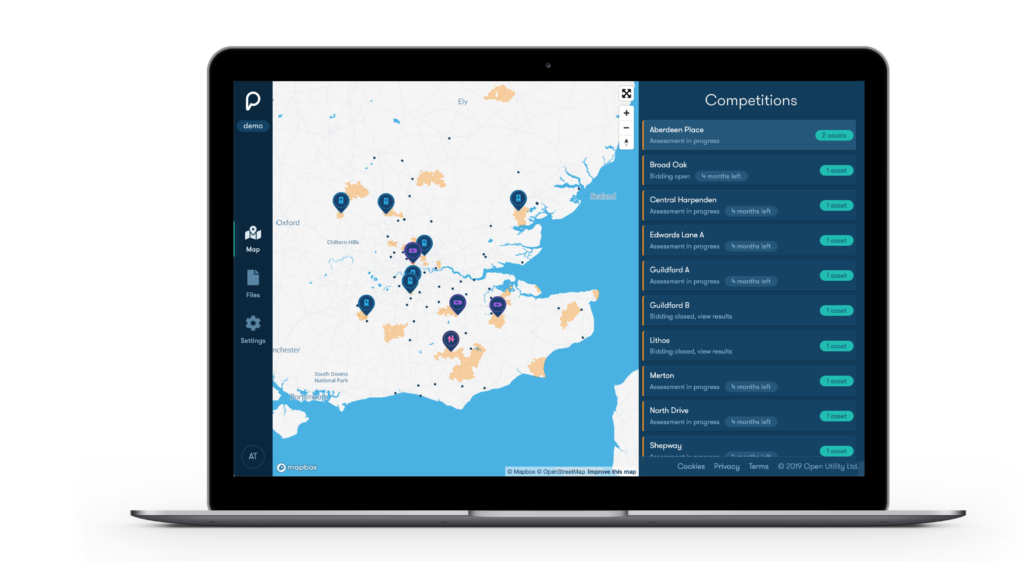
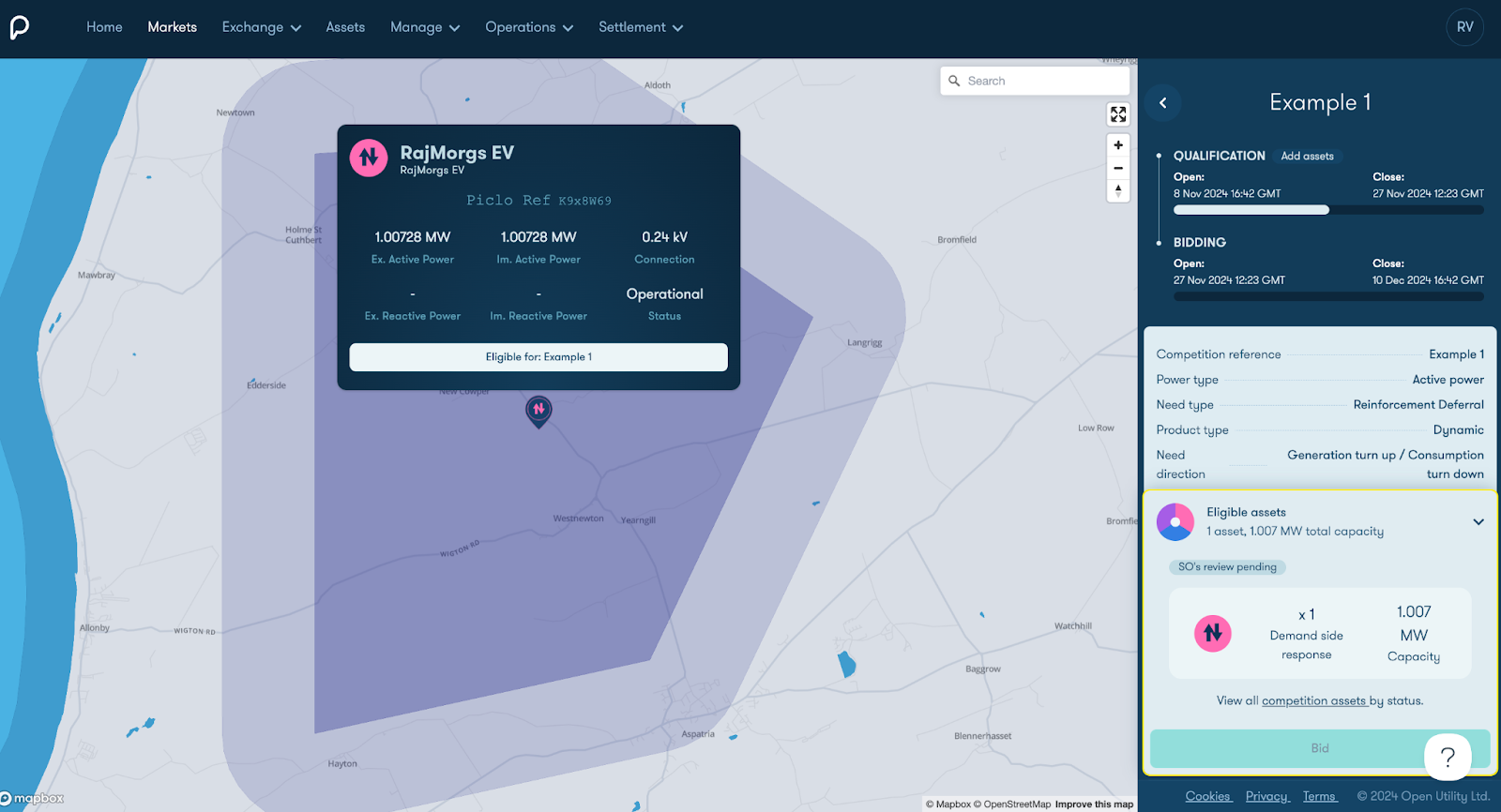
- Geographic Competition Mapping: Use GIS-based maps to identify local grid flexibility needs precisely.
- Auction and Bid Management: Run structured procurement competitions for flexibility services.
- Asset Registration and Qualification: Register and validate flexible assets for eligible markets.
- Automated Dispatch Signals: Send real-time instructions to providers during grid events.
- Market Data Hub: Access historical pricing and competition analytics.
- Performance Monitoring and Settlement: Track delivery performance and automate settlement workflows.
- Multi-Region Market Support: Adapt procurement workflows to different regulatory environments.
Screenshots
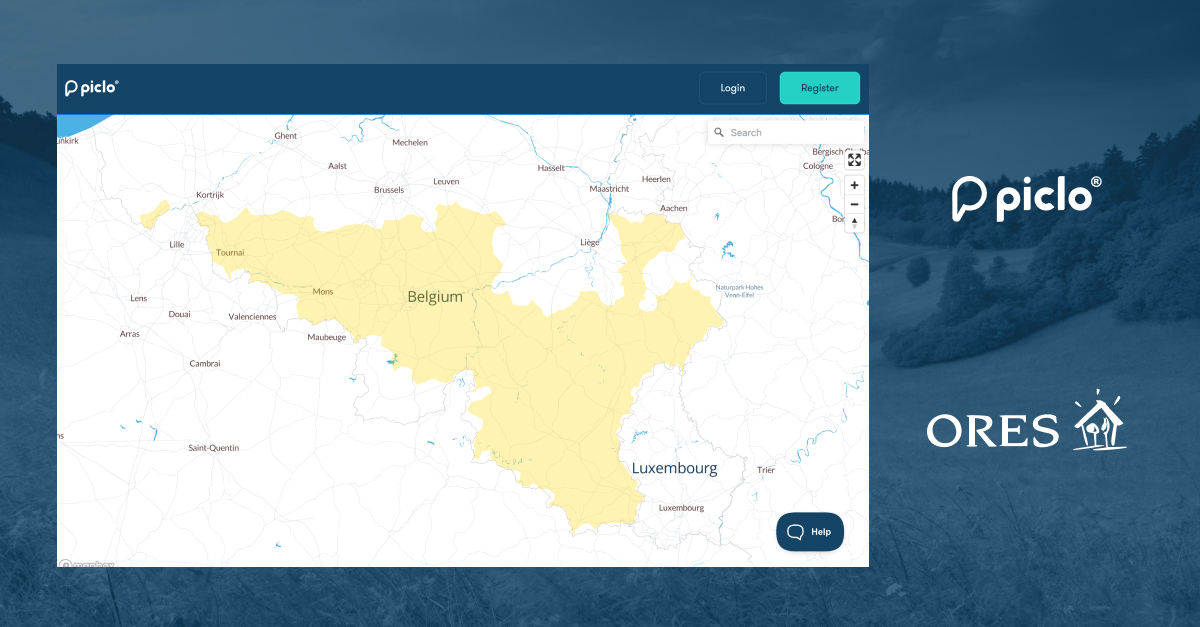
Piclo Flex Pricing
Piclo Flex uses a marketplace-based pricing structure depending on whether the organization acts as a buyer or seller.
- Free Seller Registration: Flexibility providers can register and upload assets at no initial cost.
- Enterprise Utility Licensing: Utilities and network operators use custom enterprise contracts.
- Usage-Based Fees: Some regions may include commissions or service fees tied to awarded contracts.
- Piclo Max Platform: Additional marketplace access products may use separate pricing structures.
- Demo Availability: Organizations can request platform demonstrations and consultations.
Integrations
Piclo Flex integrates with grid management systems, distributed energy assets, and automation infrastructure.
- REST APIs and Webhooks: Automate bidding, dispatch, and asset management workflows.
- DER Management Systems: Connect batteries, EV chargers, HVAC systems, and smart devices.
- Utility Grid Platforms: Integrate with utility control room and planning systems.
- Cloud Infrastructure: Hosted on Microsoft Azure for scalability and security.
- IoT Gateways: Support communication with distributed energy hardware.
How to Set Up Piclo Flex
- Create a Flexibility Service Provider (FSP) account on the platform.
- Complete company and asset qualification requirements.
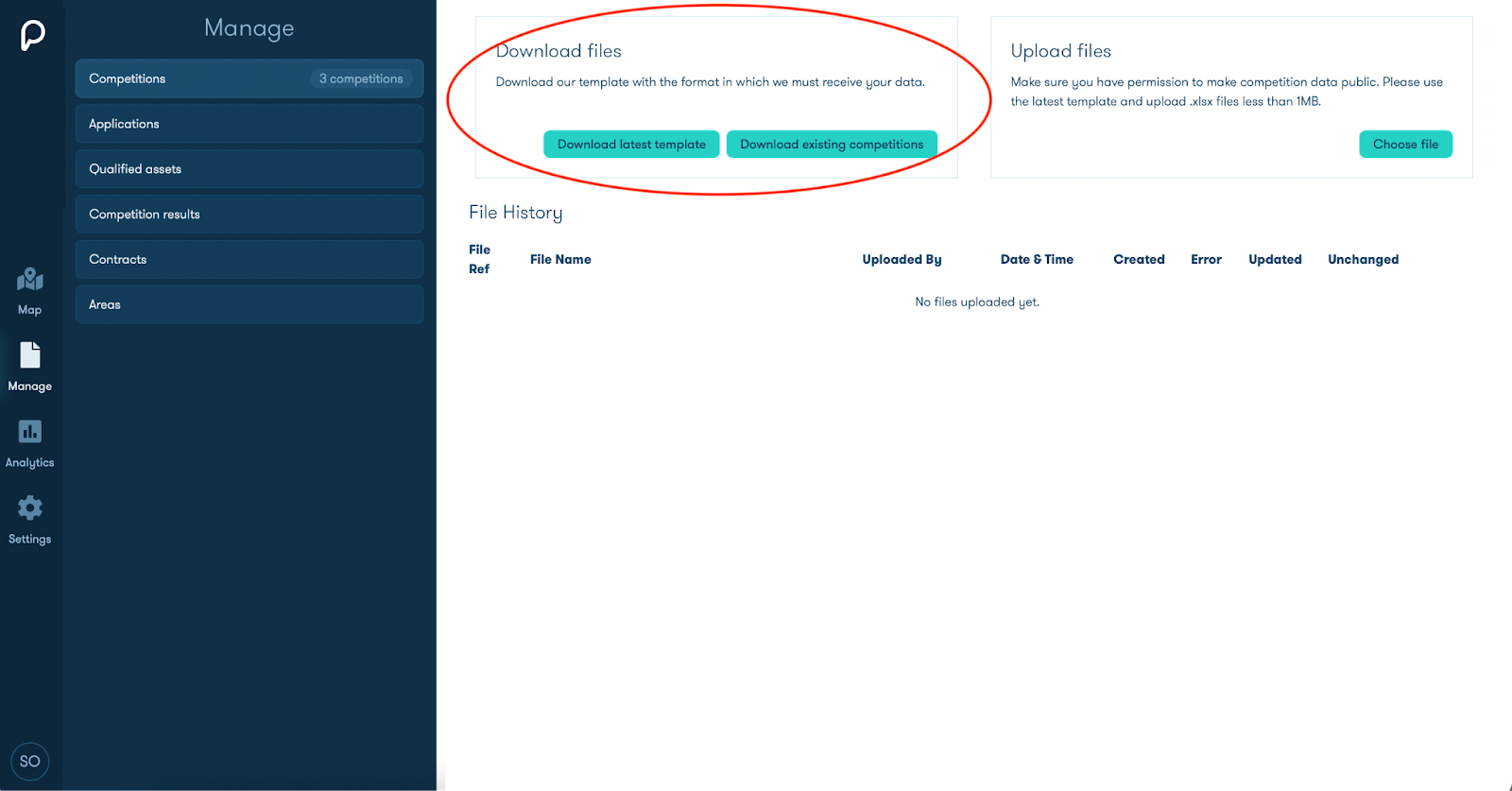
- Upload distributed energy assets and technical specifications.
- Review active flexibility competitions on the GIS marketplace map.
- Apply for competition participation and submit bids.
- Connect APIs or automation systems for dispatch signal response.
How to Use Piclo Flex
Energy providers typically begin by reviewing active flexibility competitions that overlap with the locations of their distributed assets. They then analyze pricing data and submit bids specifying availability and utilization pricing.
Once contracts are awarded, providers receive dispatch instructions during local grid events. Connected systems can automatically adjust generation or consumption in response to these signals. After events are completed, performance data is analyzed and settlement reports are generated for payment processing.
What You Can Manage with Piclo Flex
- Distributed Asset Portfolios: Organize and manage batteries, EV chargers, and flexible loads.
- Flexibility Market Bids: Submit and track offers across regional competitions.
- Grid Congestion Services: Support utilities during network constraints.
- Dispatch Workflows: Coordinate automated real-time flexibility responses.
- Performance Reporting: Monitor event delivery and baseline performance.
- Settlement and Payments: Access verified invoicing and compensation records.
FAQs
What does Piclo Flex do?
Piclo Flex connects utilities with distributed energy asset owners through a flexibility marketplace that helps balance electricity grids and manage local congestion.
Who is Piclo Flex best for?
It is designed for utilities, network operators, aggregators, battery operators, EV charging providers, and organizations participating in flexibility markets.
Is Piclo Flex free?
Seller registration is generally free, while utilities and operators use enterprise licensing agreements and some regions may include usage-based fees.
What are the main limitations of Piclo Flex?
Main limitations include dependence on active local flexibility markets, technical qualification requirements, and lack of transparent enterprise pricing.
What are the best alternatives to Piclo Flex?
Popular alternatives include NODES, EPEX SPOT flexibility services, AutoGrid, and DERMS platforms from companies like GE and Schneider Electric.