Limejump

Pros
- Market pioneer with a proven track record of being the first VPP in the UK Balancing Mechanism.
- Backed by Shell, providing significant financial stability and access to global energy trading expertise.
- Sophisticated machine learning algorithms that improve forecasting accuracy and revenue potential.
- Supports a wide range of assets, including wind, solar, hydro, anaerobic digesters, and batteries.
- Enables small-scale generators to access revenue streams usually reserved for large power plants.
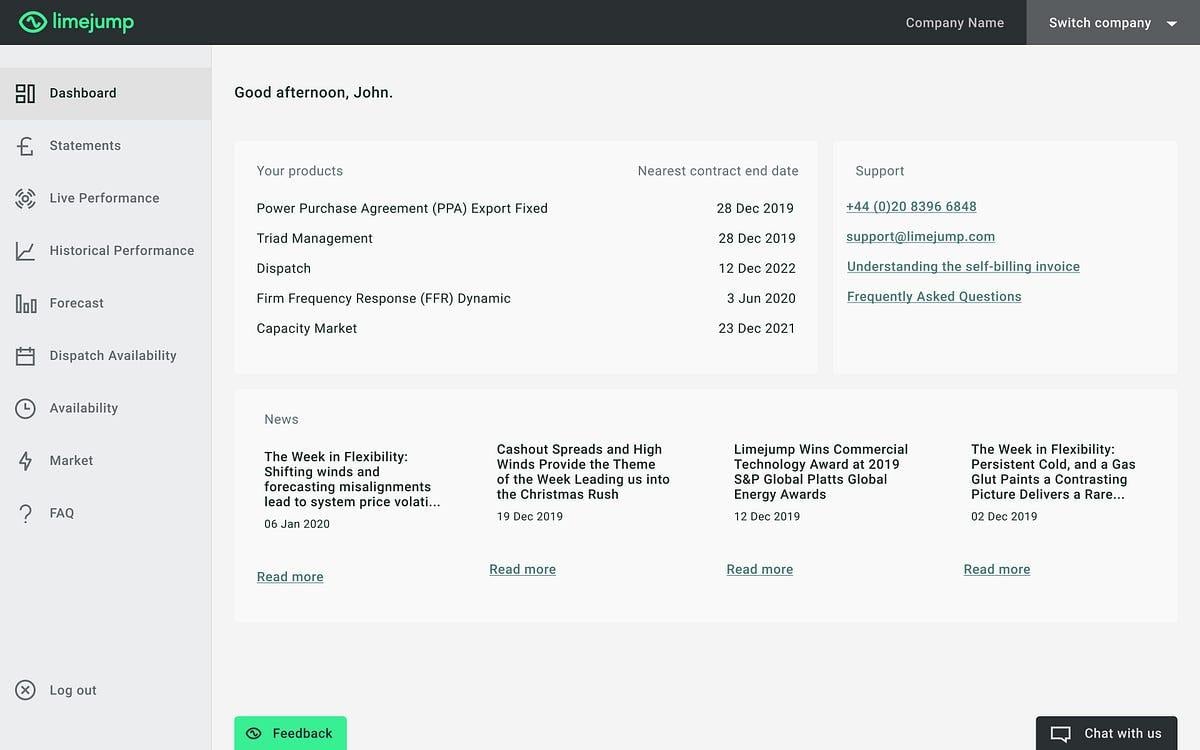
- Provides a user-friendly customer portal for real-time asset monitoring and transparency.
- Strong focus on decarbonization by facilitating the integration of intermittent renewables.
Cons
- Pricing is opaque and requires direct negotiation with the sales team.
- Primary focus is currently limited to the UK energy market.
- The onboarding process involves physical hardware installation, which can be time-consuming.
- Recent strategic changes have led to the offloading of certain customer types to partners like F&S Energy.
- Highly specialized tool that may have a steep learning curve for non-technical asset owners.
The transition toward a decentralized energy grid has introduced new challenges for renewable energy asset owners. Managing intermittent power sources like wind and solar requires sophisticated tools to ensure stability and profitability. Limejump solves this by aggregating diverse energy resources into a single Virtual Power Plant (VPP), providing a route to market that was previously reserved for large-scale power stations.
Energy managers and asset owners use Limejump to navigate the complexities of the UK electricity market. By using data-driven forecasting and automated trading, the platform helps users optimize their asset performance. This approach reduces the operational burden on individual owners while contributing to a more flexible and sustainable national grid.
What Is Limejump?
Limejump is a technology-led energy company and a pioneer in the UK’s Virtual Power Plant sector. It functions as a digital energy platform that aggregates Distributed Energy Resources (DERs)—such as batteries, wind turbines, solar farms, and gas peakers—into a unified, cloud-based network. This aggregation allows smaller generators to compete directly in the National Grid’s Balancing Mechanism and wholesale markets.
Acquired by Shell in 2019, Limejump operates within the Renewables & Energy Solutions division. The platform is designed for renewable energy developers, asset investors, and commercial businesses with flexible energy loads. By connecting these assets through connective hardware and machine learning algorithms, Limejump maximizes the value of every megawatt generated or stored. The company was the first aggregator to trade a Balancing Mechanism Unit in the UK, signaling its status as an established industry leader.
Features
- Virtual Power Plant (VPP) Aggregation: Combines hundreds of small-scale renewable sites into a single powerful unit to participate in high-value grid services.
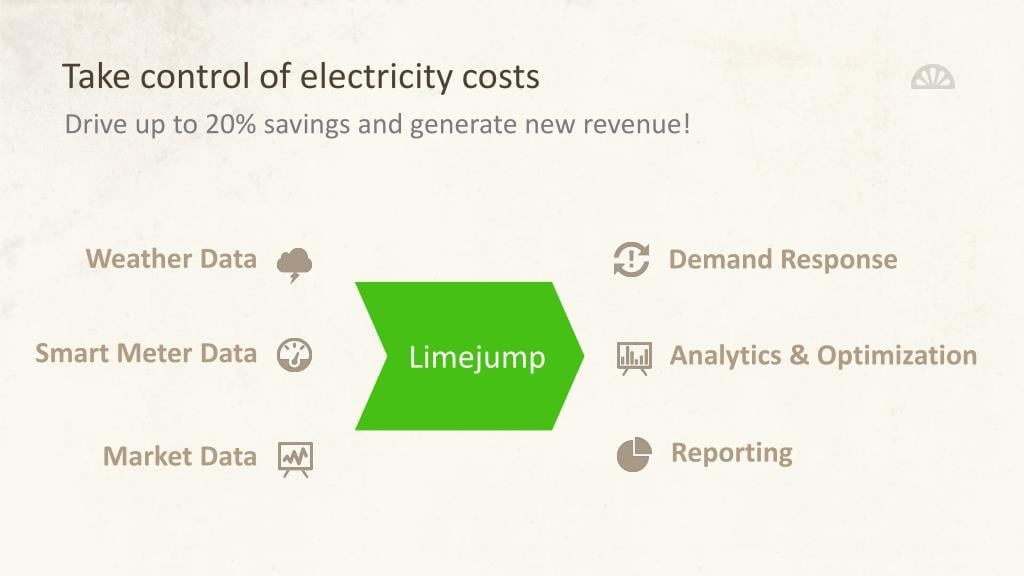
- Automated Trading Desk: Utilizes machine learning to execute trades across wholesale and balancing markets, capturing price volatility in real time.
- Intelligent Forecasting: Analyzes weather patterns, historical performance, and market data to predict generation output and optimize dispatch schedules.
- Real-Time Data Monitoring: Provides asset owners with visibility into their equipment’s performance and market activity through a dedicated customer portal.
- Asset Optimization: Controls flexible hardware like batteries and Combined Heat and Power (CHP) engines to ensure they respond to grid frequency changes or price signals automatically.
- Power Purchase Agreements (PPAs): Offers structured contracts that provide renewable generators with a stable route to market and transparent revenue sharing.
Screenshots
Limejump Pricing
Pricing is not publicly listed. To get a figure for Limejump, teams book a demo or go through the sales team.
Typically, VPP providers like Limejump operate on a revenue-share model or management fee basis, depending on the complexity of the asset and the specific grid services being utilized. Factors influencing the cost include the type of asset, such as battery storage or wind, the volume of capacity managed, and the specific market access required.
Integrations
Limejump relies on proprietary hardware and software protocols to integrate assets into its VPP. Confirmed integration details include:
- Hardware Integrations: Proprietary smart-box connective devices installed on-site to facilitate communication between the asset and the cloud platform.
- Grid Market Integrations: Direct connectivity to the National Grid Balancing Mechanism (BM) and various UK wholesale power exchanges.
- Data Protocols: Supports integration with SCADA systems and other industrial control protocols to receive granular performance data.
Public integration details for third-party software, such as generic CRM or accounting tools, are limited because the platform focuses primarily on industrial energy management and grid connectivity.
How to Set Up Limejump
- Initial Consultation: Contact Limejump to audit your energy assets and determine eligibility for the VPP.
- Site Assessment: Technical teams evaluate your site’s connectivity and hardware requirements.
- Hardware Installation: Install the proprietary Limejump smart connective devices to link your assets to the platform.
- Account Configuration: Set up your customer portal and define your trading preferences and risk parameters.
- Market Registration: Limejump handles the administrative process of registering your assets with the National Grid.
- Live Operation: Start receiving real-time data and automated trading results through the digital platform.
How to Use Limejump
The day-to-day workflow with Limejump is largely automated, but asset owners remain informed through the digital interface. Users log into the customer portal to monitor the real-time status of their assets, including current generation or battery state of charge. The platform’s algorithms automatically dispatch assets or execute trades based on market signals, so the user does not need to trade manually.
Managers use the reporting tools to review monthly performance, earnings, and market activity. If a site has a flexible load or storage, the user can observe how the system responds to frequency response events or peak pricing periods. This data is then used for internal financial reporting and to verify that the assets are operating within their technical limits.
What You Can Manage with Limejump
- Energy Portfolios: View and manage multiple renewable sites from a single centralized dashboard.
- Revenue Streams: Track income from wholesale trading, the Balancing Mechanism, and frequency response services.
- Asset Performance: Monitor real-time output, efficiency, and health data for wind, solar, and storage equipment.
- Market Activity: Access detailed logs showing when and where your energy was traded or dispatched.
- Compliance Records: Generate the necessary documentation for grid regulations and renewable energy certifications.
- Dispatch Schedules: Manage and oversee the automated scheduling of flexible energy loads.
FAQs
What does Limejump do?
Limejump is a digital energy platform that aggregates small-scale renewable energy assets and batteries into a Virtual Power Plant. It uses machine learning to trade this aggregated energy on the UK electricity market, helping asset owners maximize their revenue.
Who is Limejump best for?
The platform is designed for owners of renewable energy assets, including wind, solar, and hydro facilities, battery storage investors, and commercial sites with flexible energy demand. It is ideal for those who want to access professional energy trading markets without managing the complexity themselves.
Is Limejump free?
No, Limejump is a commercial energy service. While the company does not list a flat subscription fee, it typically operates through management fees or revenue-sharing models based on the performance of the assets it manages.
What are the main limitations of Limejump?
One major limitation is its geographic focus, as it primarily operates within the UK market. Additionally, because it requires specialized hardware installation and market registration, the setup process is more involved than that of a typical software-only SaaS product.
What are the best alternatives to Limejump?
Common alternatives in the VPP and energy aggregation space include Next Kraftwerke, Statkraft, Centrica Business Solutions, and Habitat Energy, specifically for battery storage. Owners might also consider smaller local aggregators depending on their specific asset type.