Exergy
Pros
- Supports localized renewable energy economies.
- Improves grid resilience and flexibility.
- Helps prosumers monetize excess solar generation.
- Blockchain architecture provides secure and transparent records.
- Processes energy trades in real time.
- Supports sustainability and ESG reporting initiatives.
- Backed by major energy and utility partnerships.
Cons
- Complex implementation requiring specialized expertise.
- Dependent on compatible IoT and smart grid hardware.
- No transparent public pricing.
- Peer-to-peer trading regulations vary by country.
- Primarily focused on enterprise and utility-scale projects.
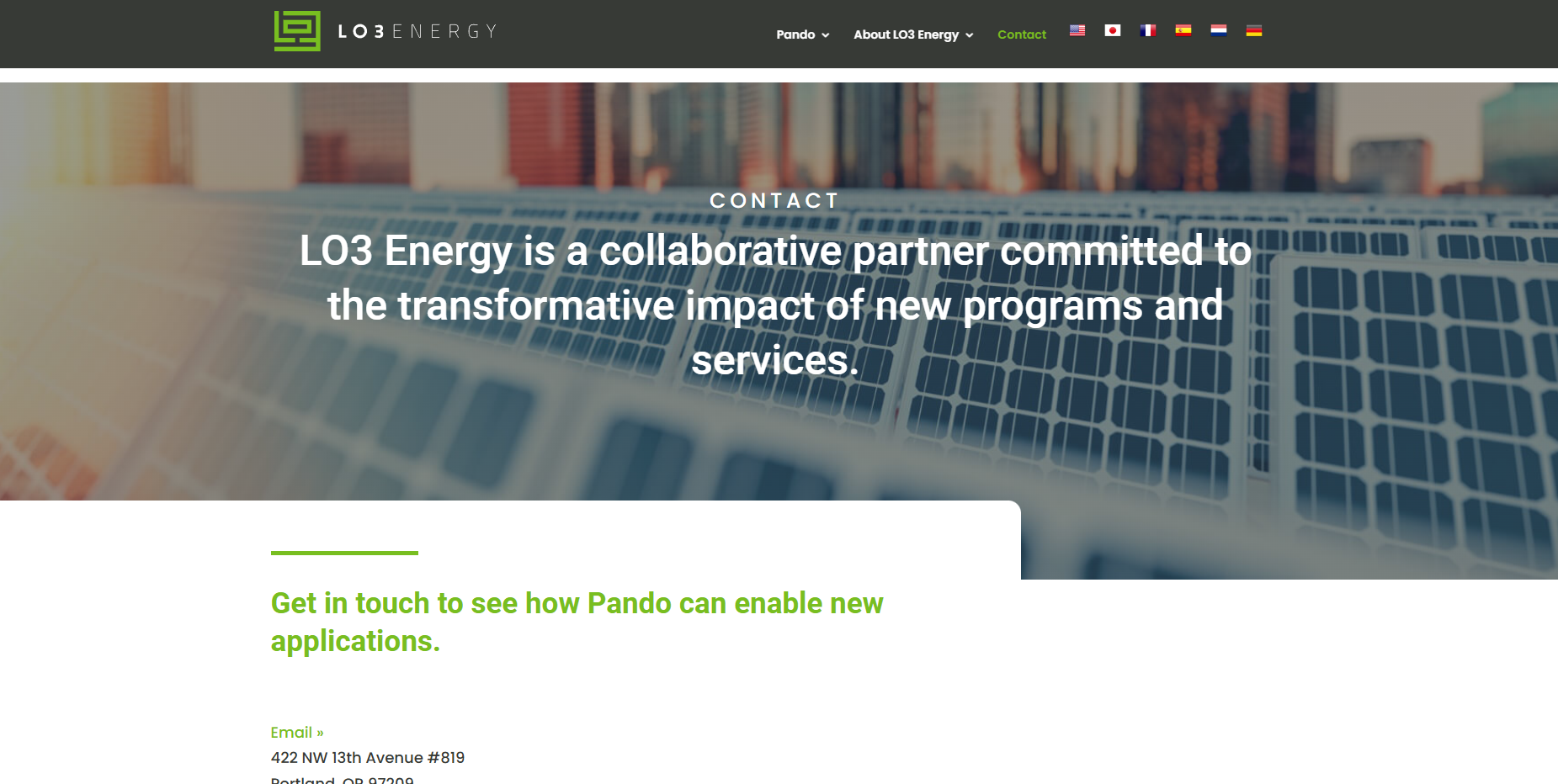
The global energy sector is shifting away from centralized power plants toward decentralized systems powered by rooftop solar, home batteries, and electric vehicles. However, traditional electrical grids were not designed for two-way energy flows or local peer-to-peer trading. LO3 Energy addresses this challenge with a blockchain-based infrastructure that enables communities to trade renewable energy directly with one another.
Through its Exergy platform, LO3 Energy supports community microgrids where homeowners, businesses, and utilities can buy and sell electricity locally. This decentralized model improves grid resilience, increases renewable energy adoption, and helps communities retain more energy spending within local economies.
What Is LO3 Energy / Exergy?
LO3 Energy is an energy technology company focused on decentralized energy markets and peer-to-peer energy trading infrastructure.
Its core platform, Exergy, is a blockchain-powered transactive energy system that connects smart meters, solar inverters, batteries, and other grid-edge devices into local energy marketplaces where energy transactions can be automated securely and transparently.
Features
- Peer-to-Peer Energy Trading: Enable direct electricity trading between local producers and consumers.
- Blockchain-Based Ledger: Store secure and transparent transaction records.
- Grid-Edge Intelligence: Monitor energy production and consumption in real time.
- Automated Market Clearing: Execute energy trades dynamically based on supply and demand conditions.
- Micro-Hedging Tools: Support custom energy purchasing strategies for businesses.
- Device Data Standardization: Create interoperability between different hardware systems.
- Localized Carbon Tracking: Verify renewable energy origin and sustainability metrics.
LO3 Energy / Exergy Pricing
LO3 Energy uses custom enterprise pricing based on project size and infrastructure requirements.
- Custom Project Quotes: Pricing depends on participants, hardware, and deployment scale.
- Enterprise Deployment Model: Designed for utilities, developers, and energy communities.
- No Public Free Plan: Pricing details are not publicly available.
- Consultation Required: Projects generally begin with technical and regulatory assessments.
Integrations
Exergy integrates with energy markets, smart hardware, and utility systems.
- Wholesale Energy Markets: Integration with EPEX SPOT and related market infrastructure.
- IoT Hardware: Supports smart meters, solar inverters, and battery systems.
- Utility Partnerships: Collaborations with companies such as Shell, Centrica, and Direct Energy.
- Blockchain Infrastructure: Secure decentralized transaction management.
- Custom APIs: Integration support for external energy and monitoring systems.
How to Set Up LO3 Energy / Exergy
- Contact LO3 Energy to define project goals and requirements.
- Audit existing grid infrastructure and compatible hardware.
- Install Exergy-enabled smart meters and IoT devices.
- Configure blockchain rules and local market settings.
- Onboard energy producers and consumers onto the platform.
- Launch the community energy market and begin trading.
How to Use LO3 Energy / Exergy
Community members typically use a mobile or web interface to define trading preferences such as minimum selling prices or preferred renewable energy sources. The platform then automatically matches buyers and sellers based on real-time local generation and demand conditions.
Utility managers and operators monitor market activity, grid stability, and energy flows through centralized dashboards that provide operational insights and sustainability reporting tools.
What You Can Manage with LO3 Energy / Exergy
- Peer-to-Peer Energy Trades: Automate local renewable electricity transactions.
- Community Microgrids: Operate decentralized local energy networks.
- Energy Data Records: Maintain traceable production and consumption logs.
- Grid-Edge Assets: Monitor batteries, solar systems, and smart devices.
- Energy Hedging Strategies: Manage local energy pricing and procurement tools.
- Sustainability Reporting: Track renewable energy and carbon performance.
FAQs
What does LO3 Energy / Exergy do?
LO3 Energy provides the Exergy platform, which enables peer-to-peer renewable energy trading and decentralized local energy market management.
Who is LO3 Energy / Exergy best for?
It is designed for utilities, microgrid developers, energy retailers, local communities, and enterprises exploring decentralized energy systems.
Is LO3 Energy / Exergy free?
No, Exergy is a commercial enterprise platform that requires custom project-based pricing and specialized hardware deployments.
What are the main limitations of LO3 Energy / Exergy?
Main limitations include regulatory complexity, hardware dependencies, enterprise-focused implementation requirements, and the need for utility cooperation in many regions.
What are the best alternatives to LO3 Energy / Exergy?
Popular alternatives include Powerledger, Grid+, WePower, Schneider Electric EcoStruxure, and Siemens MindSphere.