Energy Web
Pros
- Purpose-built for energy industry use cases.
- Open-source architecture avoids vendor lock-in.
- Strong blockchain security and transparency.
- Supported by major global energy companies.
- Scalable infrastructure for millions of devices.
- Supports distributed energy and peer-to-peer markets.
Cons
- Complex blockchain and Web3 learning curve.
- Transaction costs depend on EWT token pricing.
- Integration with legacy utility hardware may be difficult.
- Requires organizational changes for decentralized workflows.
- Technical documentation may overwhelm non-technical users.
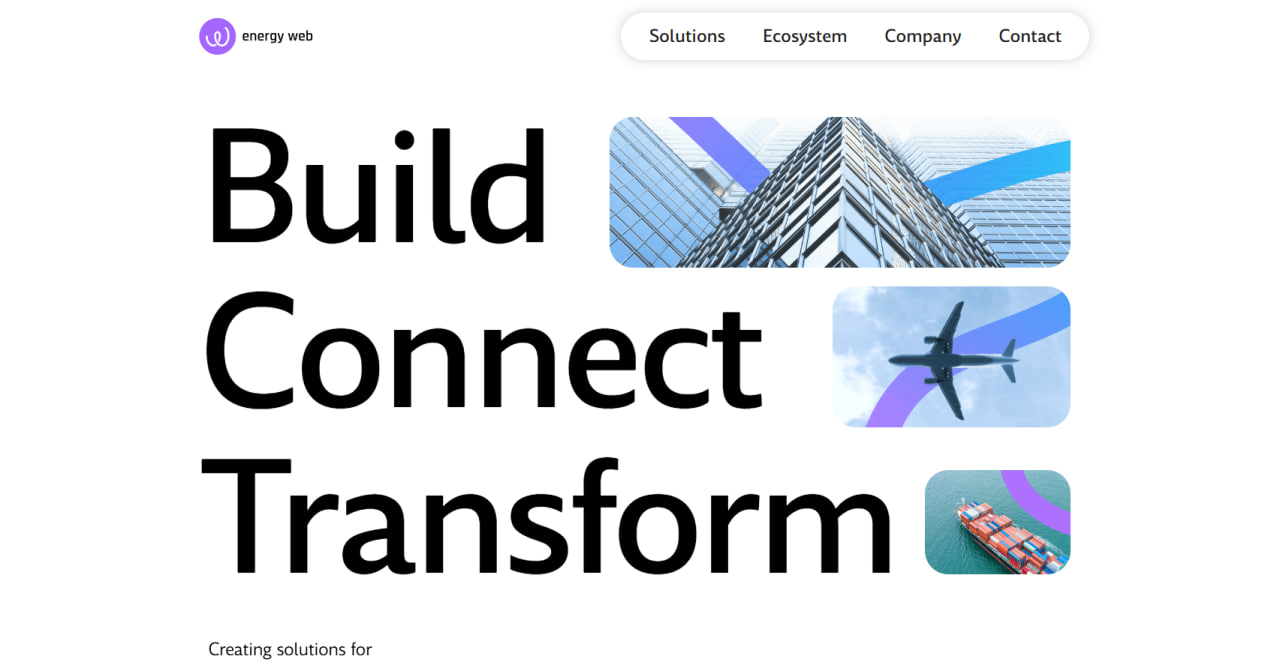
Switching the world to renewable energy means we need a totally new way to manage our electrical grids. As we move from big, central power plants to billions of smaller resources—like rooftop solar panels, home batteries, and electric vehicles—standard IT systems often have a hard time keeping up. Energy Web steps in to solve this by offering a decentralized, open-source operating system built specifically for the needs of the energy sector.
Think of Energy Web as the digital glue for the industry. It allows grid operators, green energy developers, and big corporate buyers to work together securely. By using blockchain and decentralized IDs, the platform makes energy markets more transparent and makes it easy to prove sustainability claims.
What Is Energy Web?
Energy Web is a global non-profit organization that develops open-source decentralized technology for the energy industry. Its ecosystem is known as the Energy Web Decentralized Operating System (EW-DOS), which supports applications for renewable energy tracking, distributed asset management, and grid coordination.
The platform enables utilities, grid operators, corporations, and energy startups to securely exchange data and automate transactions between devices and organizations using blockchain-based infrastructure.
Features
- Energy Web Chain (EWC): Enterprise blockchain optimized for energy-sector applications.
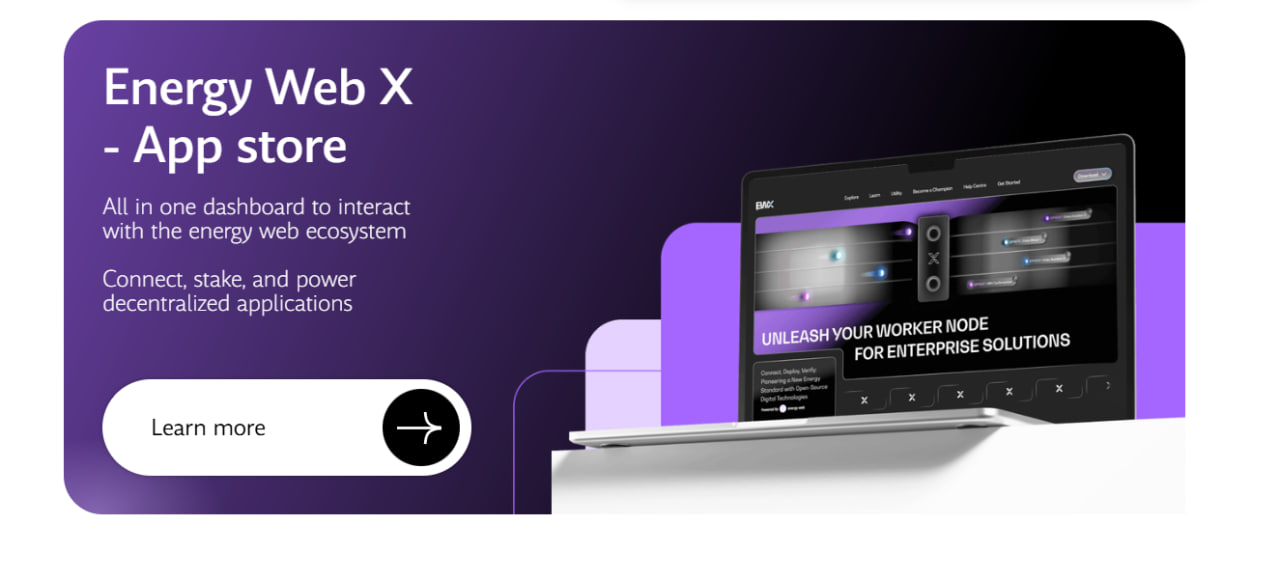
- Energy Web X (EWX): Scalable Polkadot-based network for interoperability and high transaction throughput.
- Decentralized Identifiers (DIDs): Digital identities for energy devices, organizations, and users.
- Green Proofs: Trace renewable energy production and carbon data.
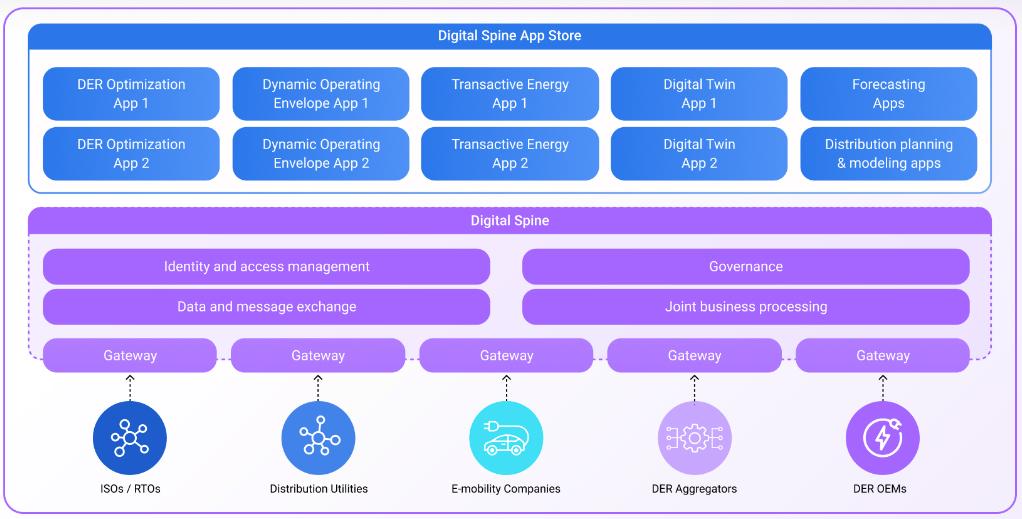
- Digital Spine: Real-time coordination layer for distributed energy assets.
- Verified Compute Cloud (VCC): Off-chain computation for secure and scalable processing.
- Origin SDKs: Developer tools for renewable energy certificate applications.
Screenshots
Energy Web Pricing
Energy Web uses an open-source and token-based ecosystem rather than traditional SaaS subscription pricing.
- Open-Source Access: Core software and SDKs are free to use.
- Energy Web Token (EWT): Required for network transactions and services.
- Network Fees: Small transaction fees apply on Energy Web Chain and EWX.
- Enterprise Services: Custom consulting and managed services may require commercial agreements.
- Custom Deployments: Enterprise integrations are priced individually.
Integrations
Energy Web integrates with energy hardware, enterprise systems, and blockchain networks.
- Industrial Hardware: Smart meters, IoT devices, and solar controllers.
- Cloud Platforms: Microsoft Azure and enterprise IT systems.
- SCADA and ERP: Integration with legacy utility infrastructure.
- Blockchain Networks: Ethereum, Polkadot, and interoperable chains.
- Identity Systems: Corporate authentication and decentralized identity frameworks.
How to Set Up Energy Web
- Define your energy or sustainability use case.
- Access developer SDKs and technical documentation.
- Set up a digital wallet and obtain EWT tokens.
- Build and test applications on Energy Web test networks.
- Create decentralized identities for devices and participants.
- Deploy applications on Energy Web Chain or Energy Web X.
How to Use Energy Web
Utilities and corporations use applications built on Energy Web to manage renewable energy certificates, monitor distributed energy assets, and coordinate grid flexibility programs.
Developers integrate physical devices like EV chargers, batteries, and smart meters with blockchain-based systems to automate energy transactions and compliance reporting.
What You Can Manage with Energy Web
- Energy Attribute Certificates: Track renewable energy generation and usage.
- Distributed Asset Identities: Securely manage connected devices and participants.
- Carbon Emissions Data: Monitor sustainability and emissions reporting.
- Grid Flexibility: Coordinate distributed energy resources during peak demand.
- Peer-to-Peer Energy Trading: Enable direct local energy transactions.
- Regulatory Compliance: Generate immutable audit and compliance records.
FAQs
What does Energy Web do?
Energy Web provides blockchain-based infrastructure for managing renewable energy assets, distributed devices, and sustainability data across the energy sector.
Who is Energy Web best for?
It is designed for utilities, grid operators, renewable energy developers, sustainability-focused corporations, and energy technology startups.
Is Energy Web free?
The platform’s open-source code is free to use, but live network transactions require Energy Web Tokens (EWT).
What are the main limitations of Energy Web?
Main limitations include technical complexity, blockchain adoption challenges, and integration difficulties with older utility infrastructure.
What are the best alternatives to Energy Web?
Alternatives include Powerledger, Schneider Electric EcoStruxure, IBM blockchain energy platforms, and private utility blockchain systems.